
Mastering Mac + iOS Essentials: Volume 3
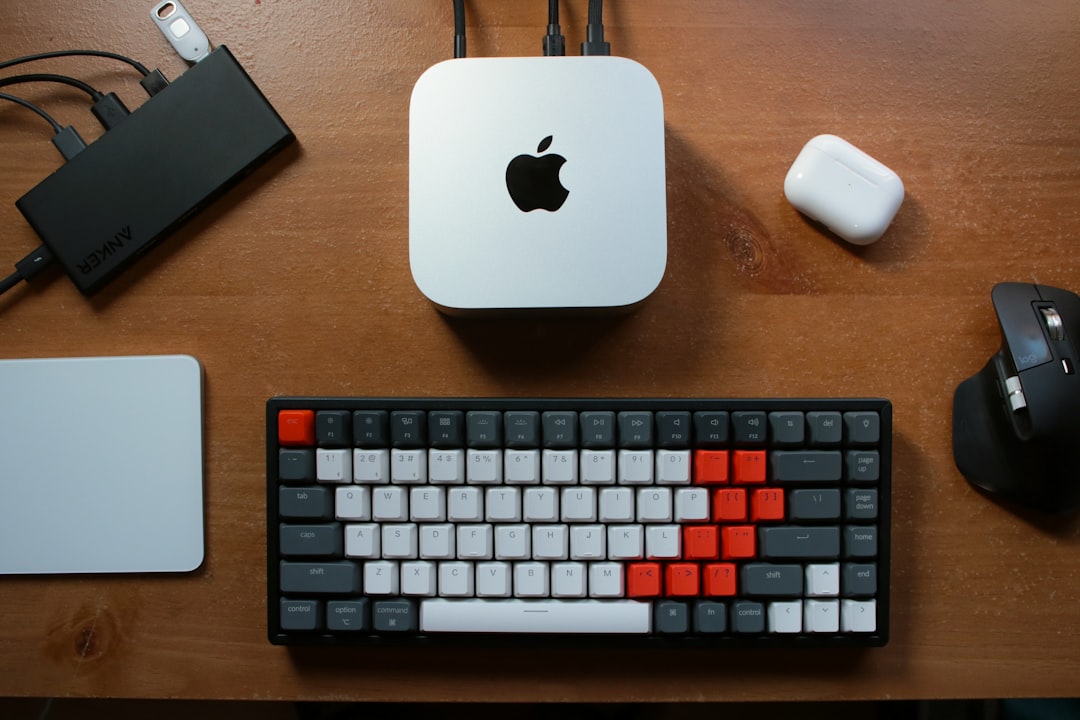
This article discusses the hypothetical publication, “Mastering Mac + iOS Essentials: Volume 3,” an anticipated addition to a series designed to provide comprehensive guidance on Apple’s computing ecosystems. While specific details about this particular volume are not currently available through public search indexes, an examination of its probable scope can be constructed by analyzing the typical content and structure of similar technical series. The discussion will proceed by outlining the potential focus areas and anticipated pedagogical approaches one might expect from such a publication, drawing inferences from the broader landscape of Apple platform documentation and educational resources.
The Evolving Landscape of Apple Platforms
Apple’s macOS and iOS operating systems are in a constant state of evolution, with annual major releases introducing new features, deprecating old ones, and refining user interfaces and underlying architectures. This dynamic environment necessitates continuous learning and adaptation for users, developers, and system administrators alike. A series like “Mastering Mac + iOS Essentials” aims to serve as a navigable map through this ever-changing terrain, offering updated perspectives and practical methodologies.
Annual Updates and Feature Integration
Each year brings significant updates to macOS and iOS, often coinciding with Apple’s Worldwide Developers Conference (WWDC). These updates include not only user-facing enhancements but also changes in system-level frameworks, security protocols, and development tools. Anticipated content for Volume 3 would likely address the features and architectural shifts introduced in the most recent major operating system iterations. This includes delving into new frameworks for app development, enhancements in system security, and alterations to user workflow.
Convergence and Divergence of Ecosystems
While macOS and iOS share a common lineage and many underlying technologies, their user experiences and fundamental interaction paradigms remain distinct. However, Apple has increasingly focused on interoperability and continuity features that bridge these platforms. Volume 3 would logically explore these convergence points, such as Universal Control, Handoff, and shared clipboard functionalities, providing a holistic view of the interconnected Apple ecosystem. Conversely, it would also delineate the unique aspects of each operating system, offering specialized guidance where necessary.
Architectural Foundations and System Administration
A substantial portion of any “Essentials” guide is typically dedicated to the foundational architecture of the operating systems and the practicalities of system administration. This involves understanding how the systems are built, how they function, and how they can be effectively managed and maintained.
Understanding Core OS Components
Beneath the polished graphical user interface of macOS and iOS lies a complex architecture comprising the kernel, system daemons, frameworks, and user applications. Volume 3 would likely provide an in-depth exploration of these core components, explaining their interrelationships and roles in system operation. This foundational knowledge is crucial for troubleshooting, optimizing performance, and understanding security implications.
Advanced System Management Techniques
For users and administrators seeking deeper control, the volume would be expected to cover advanced system management techniques. This might include command-line interface (CLI) utilities, scripting capabilities (e.g., shell scripting, AppleScript, or even Python for automation), and the use of configuration profiles for fleet management in enterprise or educational settings. The focus would be on empowering the reader to move beyond basic graphical interface interactions.
Security Best Practices and Data Privacy
In an era of heightened digital threats, security and data privacy are paramount. A comprehensive guide would devote significant attention to these critical areas. This would likely involve discussing macOS and iOS security features such as Gatekeeper, System Integrity Protection (SIP), sandbox technologies, and app notarization. For iOS, a focus on app permissions, data encryption, and device management strategies would be expected. The volume would aim to equip readers with the knowledge to configure their devices securely and protect their personal and professional data.
Productivity and Workflow Optimization
Beyond the technical underpinnings, a significant value proposition of an “Essentials” series lies in empowering users to maximize their productivity and streamline their workflows across Apple devices. This involves exploring integrated applications, advanced features, and synergistic functionalities that enhance daily tasks.
Mastering Integrated Apple Applications
macOS and iOS come bundled with a suite of powerful applications, including Mail, Safari, Pages, Numbers, Keynote, Photos, and Messages. Volume 3 would likely delve into advanced usage of these applications, uncovering hidden features, keyboard shortcuts, and integration points that can significantly boost efficiency. For instance, exploring collaborative features in iWork suite, advanced search functionalities in Mail, or continuity features between Safari on different devices.
Leveraging Automation and Shortcuts
Apple platforms offer robust automation capabilities, most notably through the Shortcuts app (formerly Workflow on iOS and Automator on macOS). Volume 3 would be expected to provide detailed guidance on creating and deploying custom automations to simplify repetitive tasks. This could range from simple text expansions to complex multi-application workflows, demonstrating how to design and implement shortcuts that save time and reduce manual effort. Understanding the interplay between Shortcuts and other system features like Focus Modes or accessibility options would also be valuable.
Cross-Device Continuity and Handoff
One of Apple’s flagship differentiators is its seamless ecosystem experience. Features like Handoff, Universal Clipboard, Continuity Camera, and Sidecar allow users to transition tasks effortlessly between their Mac, iPhone, and iPad. Volume 3 would likely dedicate a section to thoroughly explaining these features, providing practical scenarios for their use, and troubleshooting common issues. The goal would be to illustrate how these features create a cohesive and interdependent workflow that transcends individual device boundaries.
Development and Customization Potentials
While “Essentials” might suggest a user-focused approach, understanding the potential for customization and a basic grasp of the developer ecosystem can significantly enhance the user experience and problem-solving capabilities.
App Ecosystem and Third-Party Integration
The vast app ecosystems of the App Store for both macOS and iOS are central to their utility. Volume 3 would likely touch upon effective app discovery, understanding app permissions, and the implications of sideloading or alternative app distribution methods (if applicable and relevant to the current state of policies). Furthermore, it would explore how third-party applications can integrate with built-in system features and services, extending functionality and tailoring the experience to individual needs.
Scripting and Automation for Advanced Users
For users with a proclivity towards deeper customization, the volume might offer an introduction to scripting concepts relevant to Apple platforms. This could include basic shell scripting for macOS command-line routines, an overview of AppleScript’s capabilities for automating GUI interactions, or even a precursor to Swift Playgrounds for those interested in programmatic customization. The aim would not be to create developers but to empower sophisticated users to bend the system to their will through programmatic means.
Troubleshooting and Maintenance Strategies
Even the most robust systems require occasional troubleshooting and regular maintenance. A definitive “Essentials” guide would not be complete without offering practical advice on diagnosing issues and keeping devices running smoothly.
Common Issues and Diagnostic Tools
Volume 3 would likely enumerate common problems encountered by macOS and iOS users, such as performance slowdowns, network connectivity issues, application crashes, and battery drainage. For each issue, it would provide step-by-step diagnostic procedures and recommend appropriate built-in tools (e.g., Activity Monitor, Console, Disk Utility, Analytics & Improvements data) or third-party utilities. The emphasis would be on empowering users to identify the root cause of problems before seeking external assistance.
Backup and Recovery Methodologies
Data loss can be catastrophic, making robust backup and recovery strategies indispensable. The volume would be expected to provide comprehensive guidance on utilizing Time Machine for macOS, iCloud Backup for iOS, and alternative backup solutions. It would detail best practices for creating regular backups, validating their integrity, and performing full system restores or data recoveries. The importance of a multi-pronged backup approach, treating different data types with appropriate redundancy, would also be emphasized.
System Updates and Upgrades Management
Managing system updates and upgrades is crucial for both security and accessing new features. Volume 3 would explain the nuances of macOS and iOS update processes, including managing software updates, understanding beta programs, and preparing devices for major operating system upgrades. It would also touch upon potential compatibility issues with hardware and software, offering advice on how to mitigate risks associated with system changes. The guide would aim to demystify these processes, ensuring users can navigate them confidently.
In conclusion, “Mastering Mac + iOS Essentials: Volume 3,” while currently an undocumented entity, would logically build upon the foundational knowledge of its predecessors. It would offer updated insights into the latest iterations of Apple’s operating systems, delving into their architectural foundations, advanced administrative techniques, and security paradigms. Crucially, it would empower users to optimize their productivity through integrated applications, automation, and seamless cross-device continuity. Finally, it would equip readers with essential troubleshooting and maintenance strategies, solidifying their mastery over the multifaceted and ever-evolving Apple ecosystem. Such a volume would serve as an indispensable resource, transforming casual users into adept navigators of the digital currents flowing through their Apple devices.
FAQs
What topics are covered in Volume 3: Mac + iOS Essentials?
Volume 3: Mac + iOS Essentials covers fundamental features and functionalities of both Mac computers and iOS devices, including system navigation, essential apps, settings customization, and integration between Mac and iOS platforms.
Is Volume 3 suitable for beginners using Mac and iOS devices?
Yes, Volume 3 is designed to help beginners understand and efficiently use essential features of Mac and iOS devices, making it easier to get started with both operating systems.
Does the article explain how to sync data between Mac and iOS devices?
Yes, the article includes information on syncing data such as contacts, calendars, photos, and documents between Mac and iOS devices using iCloud and other Apple services.
Are security and privacy settings discussed in Volume 3: Mac + iOS Essentials?
Yes, the article addresses important security and privacy settings on both Mac and iOS devices to help users protect their data and maintain device security.
Can Volume 3 help users troubleshoot common issues on Mac and iOS?
While the primary focus is on essentials and usage tips, Volume 3 also provides guidance on basic troubleshooting steps for common problems encountered on Mac and iOS devices.