
5 Shocking Facts About the Blue Origin Explosion
The recent explosion during a test flight of Blue Origin’s New Shepard rocket has raised significant concerns within the aerospace community. Preliminary investigations suggest that the incident was triggered by a malfunction in the vehicle’s propulsion system. Eyewitness accounts and telemetry data indicate that the rocket experienced an anomaly shortly after liftoff, leading to a catastrophic failure. The exact nature of the malfunction is still under scrutiny, but experts believe it may have involved a critical component within the engine that failed to perform as expected.
In addition to mechanical failures, environmental factors may have played a role in the explosion. The test flight took place under challenging weather conditions, which could have affected the rocket’s performance. Engineers are now meticulously analyzing data from the flight to determine whether external elements contributed to the incident. As investigations continue, the aerospace community remains vigilant, recognizing that understanding the root cause of such failures is essential for ensuring the safety and reliability of future missions.
Impact on the Space Tourism Industry
The explosion has sent shockwaves through the burgeoning space tourism industry, which has been gaining momentum in recent years. Blue Origin, alongside competitors like SpaceX and Virgin Galactic, has been at the forefront of this new frontier, promising thrilling experiences for civilians eager to venture into space. However, this incident has cast a shadow over the industry’s future, raising questions about safety protocols and the viability of commercial space travel.
Potential customers are now grappling with concerns about their safety when considering a ticket to space. The allure of experiencing weightlessness and witnessing Earth from above is tempered by the reality of risks associated with space travel. As a result, companies in the sector may need to reassess their marketing strategies and emphasize safety measures more prominently to reassure potential passengers. The incident could lead to a temporary decline in interest and bookings, as individuals weigh their desire for adventure against the inherent dangers of spaceflight.
Safety Concerns for Future Flights

Safety has always been a paramount concern in aerospace endeavors, but this explosion has amplified those worries significantly. The incident serves as a stark reminder of the unpredictable nature of rocket launches and the potential consequences of even minor malfunctions. As Blue Origin and other companies prepare for future flights, they must prioritize rigorous testing and validation processes to ensure that all systems are functioning optimally before any crewed missions take place.
Moreover, regulatory bodies may impose stricter guidelines and oversight on commercial spaceflight operations in light of this event. The Federal Aviation Administration (FAA) and other relevant agencies are likely to scrutinize safety protocols more closely, requiring companies to demonstrate comprehensive risk assessments and mitigation strategies. This increased regulatory scrutiny could lead to longer timelines for future flights as companies work to comply with new safety standards.
Financial Ramifications for Blue Origin
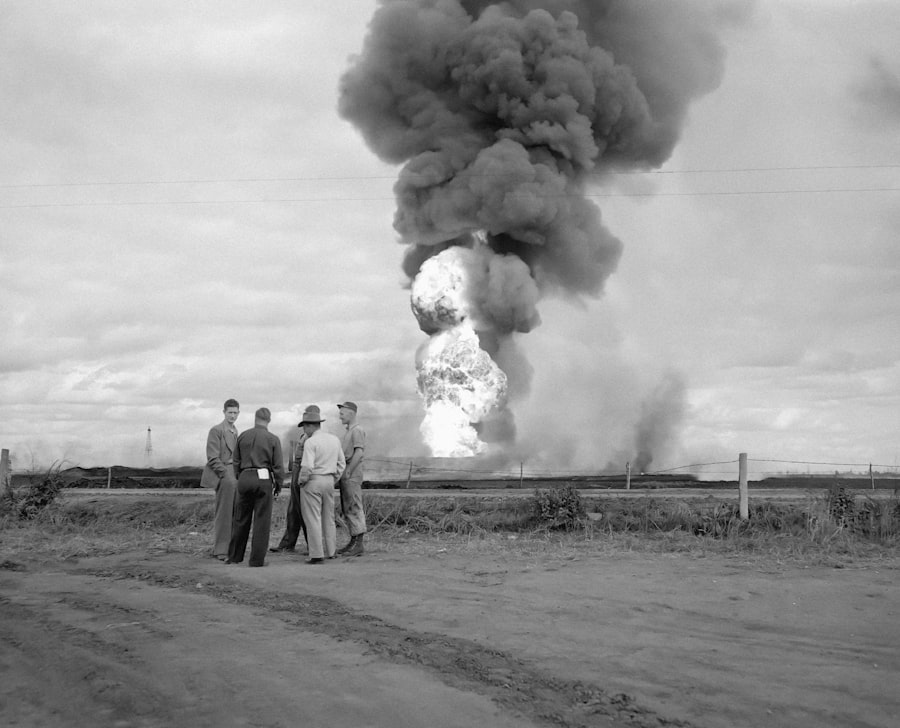
The financial implications of the explosion are significant for Blue Origin, a company that has invested heavily in developing its space tourism program. The immediate costs associated with investigating the incident and repairing or replacing damaged equipment will undoubtedly strain the company’s resources. Furthermore, potential delays in future flights could result in lost revenue as customers reconsider their plans or seek alternatives with competitors.
In addition to direct financial losses, Blue Origin may face reputational damage that could impact its long-term viability in the space tourism market. Investors and stakeholders will be closely monitoring how the company responds to this crisis and whether it can regain public trust. If Blue Origin fails to address safety concerns effectively or if further incidents occur, it could jeopardize its position in an increasingly competitive industry where consumer confidence is paramount.
Response from Jeff Bezos and Blue Origin Team
| Date | Location | Cause | Impact |
|---|---|---|---|
| October 2, 2021 | Texas, USA | Unspecified issue during testing | Destroyed the New Shepard rocket and its payload |
In the wake of the explosion, Jeff Bezos and the Blue Origin team have expressed their commitment to transparency and accountability. Bezos released a statement acknowledging the incident and emphasizing the importance of learning from failures in pursuit of innovation. He reassured stakeholders that the company would conduct a thorough investigation to understand what went wrong and implement necessary changes to prevent similar occurrences in the future.
The Blue Origin team has also been proactive in communicating with employees and customers about their plans moving forward. They have organized internal meetings to discuss safety protocols and gather input from engineers and technicians who are directly involved in rocket development. By fostering an open dialogue within the organization, Blue Origin aims to cultivate a culture of safety and continuous improvement that will be essential for regaining public confidence.
Comparison to Other Space Launch Failures
The explosion of Blue Origin’s New Shepard rocket is not an isolated incident; it echoes several notable failures in the history of space exploration. For instance, NASA’s Challenger disaster in 1986 and Columbia tragedy in 2003 serve as poignant reminders of the risks associated with human spaceflight. Both incidents resulted from technical failures compounded by organizational issues, leading to tragic loss of life and significant setbacks for NASA’s programs.
Comparatively, Blue Origin’s incident highlights the challenges faced by private companies entering an arena historically dominated by government agencies. While commercial spaceflight offers exciting opportunities for innovation and accessibility, it also carries inherent risks that must be managed effectively. Learning from past failures can provide valuable insights for Blue Origin and its competitors as they navigate the complexities of launching rockets safely while pursuing ambitious goals.
Potential Delays in Space Exploration Plans
The explosion has raised concerns about potential delays in broader space exploration plans beyond just Blue Origin’s immediate operations. As various organizations—including NASA—collaborate with private companies for missions to the Moon, Mars, and beyond, any setbacks experienced by one entity can have ripple effects throughout the industry. Delays in testing or launching new vehicles can hinder progress on critical projects that rely on timely advancements in technology.
Moreover, international partnerships aimed at exploring deep space may also be affected by this incident. Countries collaborating on ambitious missions often depend on reliable timelines and shared resources; disruptions caused by safety concerns or technical failures can strain these relationships. As stakeholders reassess their timelines and objectives, it becomes crucial for all parties involved to maintain open lines of communication to ensure that collective goals remain achievable despite unforeseen challenges.
Lessons Learned for Future Space Missions
Ultimately, every setback in space exploration offers valuable lessons that can inform future missions. The explosion of Blue Origin’s New Shepard rocket serves as a critical reminder of the importance of rigorous testing, comprehensive risk assessments, and transparent communication within organizations involved in aerospace endeavors. As engineers analyze data from this incident, they will undoubtedly uncover insights that can enhance safety protocols and improve overall mission success rates.
Furthermore, fostering a culture of learning from failures is essential for advancing human spaceflight capabilities. Companies like Blue Origin must embrace a mindset that prioritizes continuous improvement over fear of failure. By openly discussing challenges and sharing knowledge across the industry, stakeholders can work collaboratively to develop innovative solutions that enhance safety and reliability in space exploration. In doing so, they can pave the way for a new era of commercial space travel that inspires confidence among adventurers eager to explore beyond our planet’s atmosphere.
FAQs
What is the Blue Origin explosion?
The Blue Origin explosion refers to an incident that occurred during a test flight of the company’s New Shepard rocket on October 5, 2021. The rocket experienced an anomaly during its descent, resulting in an explosion upon landing.
Was anyone injured in the Blue Origin explosion?
No one was injured in the Blue Origin explosion. The test flight was uncrewed, and the company confirmed that all safety protocols were followed, ensuring that no personnel were at risk during the incident.
What caused the Blue Origin explosion?
Blue Origin has not publicly disclosed the specific cause of the explosion. The company stated that it is conducting a thorough investigation to determine the root cause of the anomaly and to address any issues that may have contributed to the incident.
What is the impact of the Blue Origin explosion on the company’s future plans?
The Blue Origin explosion may impact the company’s future launch schedule and development timeline for its New Shepard rocket. However, the full extent of the impact will depend on the findings of the investigation and any necessary modifications or improvements to the rocket’s design.
How does the Blue Origin explosion compare to other space launch failures?
The Blue Origin explosion is a relatively rare occurrence in the space industry, as the company has a track record of successful test flights and launches. While setbacks and anomalies are not uncommon in the development of space technology, Blue Origin will work to address the incident and continue its efforts to advance space exploration.