5 Mind-Blowing Facts About Sagrada Familia
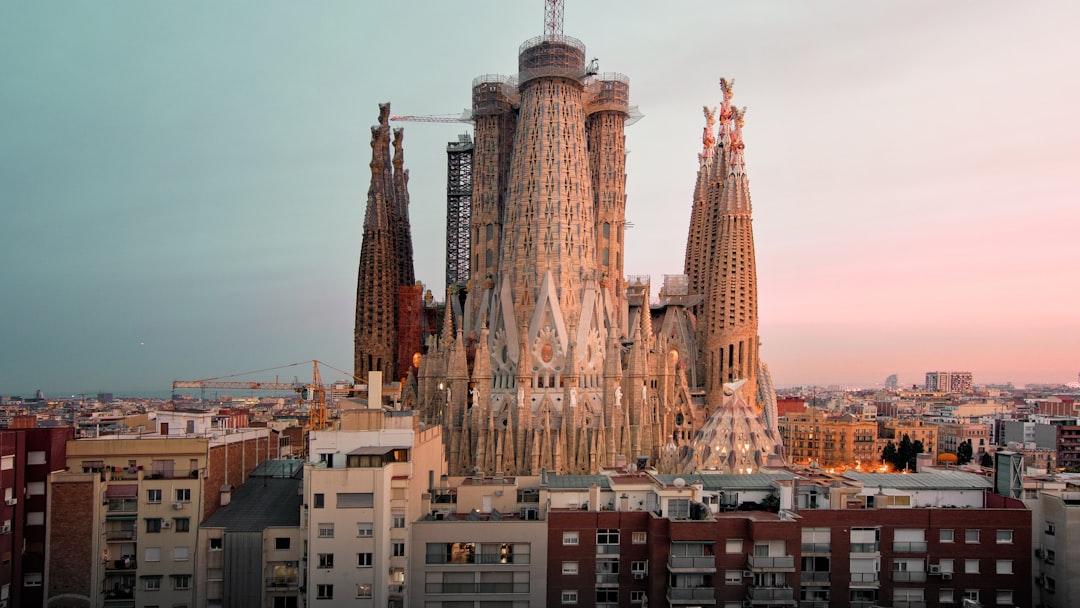
The story of the Sagrada Família, one of the most iconic landmarks in Barcelona, began in the year 1882. The initial vision for this grand basilica was conceived by architect Francisco de Paula del Villar, who aimed to create a neo-Gothic church that would serve as a testament to the city’s rich religious heritage. The foundation stone was laid on March 19, 1882, marking the beginning of a monumental undertaking that would span generations. The project quickly garnered attention, not only for its ambitious scale but also for its unique architectural vision that promised to redefine the landscape of Barcelona.
As construction progressed, the project faced numerous challenges, including financial constraints and changing architectural trends. Despite these obstacles, the dedication to completing the Sagrada Família remained unwavering. The initial design was ambitious, aiming to create a structure that would not only serve as a place of worship but also as a symbol of faith and artistic expression. The construction site became a hive of activity, with workers laboring tirelessly to bring the vision to life, unaware that they were part of a project that would transcend time and become a global icon.
Gaudí Took Over the Project in 1883
In 1883, just a year after construction began, the renowned architect Antoni Gaudí took over the project, forever altering its trajectory. Gaudí’s unique approach to architecture was deeply influenced by his love for nature and his desire to create structures that harmonized with their surroundings. He envisioned the Sagrada Família not merely as a church but as a living organism, one that would evolve and grow over time. Under his guidance, the basilica transformed from its original neo-Gothic design into a groundbreaking fusion of Gothic and Art Nouveau styles.
Gaudí’s innovative techniques and imaginative designs brought a new level of complexity to the project. He introduced organic shapes, intricate details, and vibrant colors that reflected his deep appreciation for the natural world. His vision was not just about aesthetics; it was also about creating a spiritual experience for visitors. Gaudí believed that architecture should inspire awe and reverence, and he poured his heart and soul into every aspect of the Sagrada Família. His dedication to the project was unwavering, even as he faced criticism and skepticism from contemporaries who struggled to understand his radical ideas.
It’s Still Under Construction
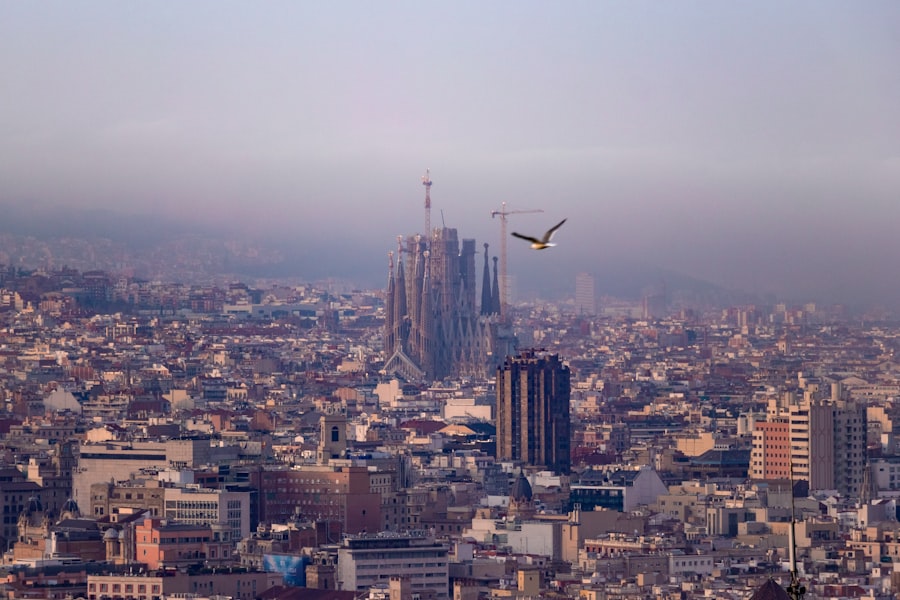
Remarkably, the Sagrada Família remains under construction more than a century after its inception. This ongoing endeavor has become a symbol of perseverance and dedication, drawing millions of visitors each year who come to witness the evolution of this architectural masterpiece. The reasons for the prolonged construction are multifaceted, including financial limitations, complex designs, and the desire to remain true to Gaudí’s original vision. Each stone laid is a testament to the commitment of countless artisans and workers who have contributed to this monumental project over the years.
The construction process itself has evolved significantly since Gaudí’s time. Modern technology has allowed for more efficient building methods while still adhering to the intricate designs laid out by Gaudí. Despite these advancements, the project continues to rely heavily on traditional craftsmanship, ensuring that each element reflects the artistry and dedication that characterized Gaudí’s work. As visitors stroll through the site, they can witness firsthand the blend of old-world techniques and contemporary innovations that are bringing this dream closer to fruition.
The Design is Inspired by Nature
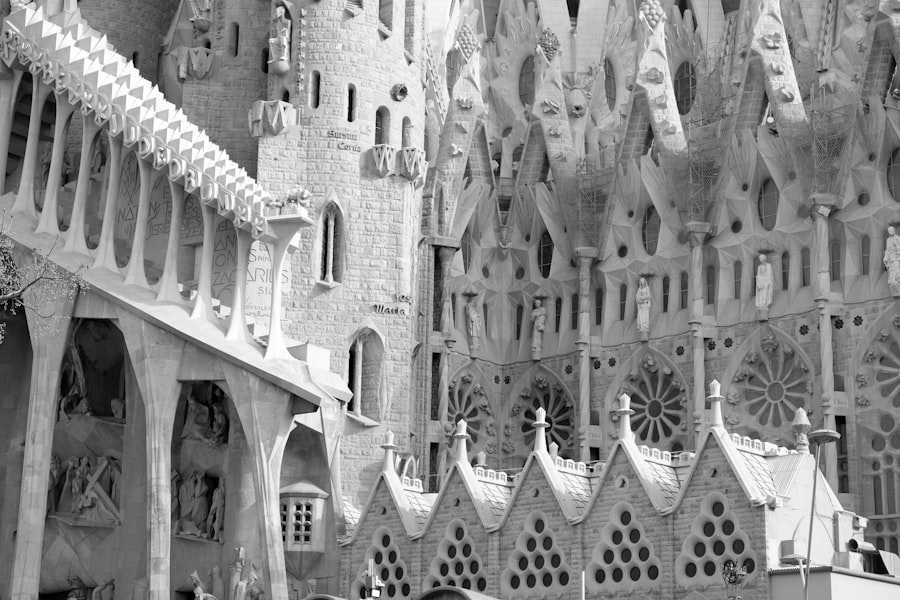
One of the most striking aspects of the Sagrada Família is its design, which is profoundly inspired by nature. Gaudí believed that nature was the ultimate source of beauty and sought to incorporate its forms and patterns into his architectural vision. From the towering columns that resemble tree trunks to the intricate facades adorned with floral motifs, every element of the basilica reflects Gaudí’s reverence for the natural world. This organic approach creates a sense of harmony between the structure and its surroundings, inviting visitors to experience a connection with nature as they explore its vast interior.
The use of natural forms extends beyond mere aesthetics; it also serves a functional purpose. Gaudí designed the basilica’s columns to mimic the branching structure of trees, allowing for greater stability while creating an open and airy space within. The interplay of light and shadow throughout the building further enhances this connection to nature, as sunlight filters through stained glass windows, casting colorful patterns on the stone surfaces. This dynamic relationship between architecture and nature is a hallmark of Gaudí’s work and contributes to the Sagrada Família’s status as a truly unique masterpiece.
The Interior is a Spectacular Display of Light and Color
| Aspect | Metrics |
|---|---|
| Construction Started | 1882 |
| Estimated Completion | 2026 (projected) |
| Architect | Antoni Gaudí |
| Height | 170 meters (558 feet) |
| Style | Modernisme (Art Nouveau) |
Stepping inside the Sagrada Família is akin to entering a dreamscape where light and color dance in harmony. The interior is a breathtaking spectacle that captivates visitors with its ethereal beauty. Gaudí’s innovative use of light is evident in every corner, as he designed large stained glass windows that flood the space with vibrant hues. These windows depict various biblical scenes and natural elements, creating an atmosphere that shifts throughout the day as sunlight changes its angle.
The soaring columns within the basilica are not only structural supports but also artistic expressions that evoke feelings of awe and wonder. They branch out like trees reaching for the sky, creating a forest-like ambiance that envelops visitors in tranquility. The interplay between light and color enhances this experience, as beams of sunlight illuminate intricate details carved into stone surfaces. This masterful manipulation of light transforms the interior into a living canvas, inviting contemplation and reflection as one navigates through this extraordinary space.
It’s a UNESCO World Heritage Site
In recognition of its cultural significance and architectural brilliance, the Sagrada Família was designated as a UNESCO World Heritage Site in 2005. This prestigious status underscores its importance not only as a religious monument but also as a masterpiece of human creativity and ingenuity. The designation highlights Gaudí’s innovative approach to architecture and his ability to blend artistic expression with spiritual meaning. As a UNESCO site, it attracts visitors from around the globe who come to marvel at its beauty and learn about its rich history.
The recognition as a World Heritage Site has also played a crucial role in preserving the Sagrada Família for future generations. It has garnered international attention and support for ongoing construction efforts, ensuring that Gaudí’s vision will continue to be realized. The site serves as an educational platform where visitors can engage with its history, architecture, and cultural significance, fostering appreciation for this extraordinary work of art.
The Towers Symbolize the Twelve Apostles
One of the most striking features of the Sagrada Família is its towering spires, which are rich in symbolism and meaning. Gaudí designed a total of eighteen towers for the basilica, each representing different figures from Christianity. Among them are twelve towers dedicated to the apostles, standing tall as guardians of faith and spirituality. These towers are not merely decorative elements; they serve as powerful reminders of the teachings and sacrifices made by these foundational figures in Christianity.
The design of each tower is unique, reflecting both individual characteristics and collective unity among the apostles. As visitors gaze up at these magnificent structures, they are reminded of the spiritual journey that lies at the heart of the Sagrada Família. The towers reach toward the heavens, symbolizing humanity’s aspiration for divine connection and enlightenment. This profound symbolism adds another layer of depth to Gaudí’s masterpiece, inviting contemplation on faith, community, and the enduring legacy of religious teachings.
It’s a Unique Blend of Gothic and Art Nouveau Architecture
The Sagrada Família stands as a remarkable fusion of Gothic and Art Nouveau architectural styles, showcasing Gaudí’s innovative approach to design. While it draws inspiration from traditional Gothic cathedrals with its pointed arches and intricate facades, it simultaneously embraces the organic forms characteristic of Art Nouveau. This unique blend creates a visual language that is distinctly Gaudí’s own, setting it apart from other religious structures around the world.
The interplay between these two styles is evident throughout the basilica’s design elements. The soaring arches evoke a sense of grandeur reminiscent of Gothic cathedrals while incorporating flowing lines and natural motifs typical of Art Nouveau. This harmonious combination results in an architectural experience that feels both timeless and contemporary. Visitors are often struck by how seamlessly these styles coexist within the Sagrada Família, reflecting Gaudí’s genius in pushing boundaries while remaining rooted in tradition.
The Facade Tells the Story of Jesus’ Life
The facades of the Sagrada Família are not merely decorative; they serve as intricate narratives that depict key events from Jesus’ life. Each facade tells a different part of his story—birth, passion, and glory—inviting visitors to engage with biblical themes through visual storytelling. The Nativity Facade celebrates Christ’s birth with scenes filled with joy and wonder, while the Passion Facade conveys themes of suffering and sacrifice through stark contrasts and dramatic figures.
Gaudí’s attention to detail is evident in every sculptural element adorning these facades. Each figure is meticulously crafted to convey emotion and meaning, allowing visitors to reflect on their significance within Christian teachings. As one moves around the basilica, they are taken on a journey through Jesus’ life—a journey that resonates deeply with believers and art enthusiasts alike. This narrative quality adds another layer of depth to Gaudí’s masterpiece, transforming it into an immersive experience that transcends mere architecture.
The Construction Relies on Donations and Ticket Sales
The ongoing construction of the Sagrada Família relies heavily on donations from patrons around the world as well as ticket sales from visitors eager to experience its beauty firsthand. This unique funding model reflects both public interest in preserving Gaudí’s vision and recognition of its cultural significance. Each ticket purchased contributes directly to maintaining construction efforts while ensuring that future generations can appreciate this architectural marvel.
The reliance on donations has fostered a sense of community around the Sagrada Família, with individuals from diverse backgrounds coming together to support its completion. Many visitors feel a personal connection to this project; they understand that their contributions play a vital role in bringing Gaudí’s dream closer to reality. This collaborative spirit underscores not only the importance of preserving cultural heritage but also highlights how collective efforts can lead to extraordinary outcomes.
It’s Expected to be Completed in 2026
As anticipation builds for its completion in 2026—marking the centenary of Gaudí’s death—the Sagrada Família continues to capture hearts worldwide. This projected date has become symbolic not only for those involved in its construction but also for millions who have followed its journey over decades. The completion will signify not just an architectural achievement but also a celebration of human creativity and perseverance against all odds.
While some may view this timeline as ambitious given past delays, those involved remain optimistic about realizing Gaudí’s vision within this timeframe. Modern technology combined with traditional craftsmanship offers hope for achieving this long-awaited milestone while honoring every detail laid out by Gaudí himself. As work progresses toward completion, excitement grows among both locals and tourists alike—each eager witness to history being made before their eyes at one of humanity’s most extraordinary creations.
FAQs
What is the Sagrada Familia?
The Sagrada Familia is a large Roman Catholic basilica in Barcelona, Spain. It is a renowned work of the architect Antoni Gaudí and is considered a UNESCO World Heritage Site.
When was the Sagrada Familia built?
Construction of the Sagrada Familia began in 1882 and is still ongoing. It is estimated to be completed in 2026, which will mark the 100th anniversary of Gaudí’s death.
What is the architectural style of the Sagrada Familia?
The Sagrada Familia is known for its unique and intricate architectural style, which is a combination of Gothic and Art Nouveau, with organic shapes and natural forms inspired by nature.
How tall is the Sagrada Familia?
The central spire of the Sagrada Familia, dedicated to Jesus Christ, is planned to reach a height of 172.5 meters (566 feet), making it the tallest church building in the world.
Can visitors go inside the Sagrada Familia?
Yes, visitors can go inside the Sagrada Familia to admire its stunning interior, including the intricate stained glass windows, towering columns, and unique architectural details. It is a popular tourist attraction in Barcelona.