
Top SEO Tools for Maximum Value
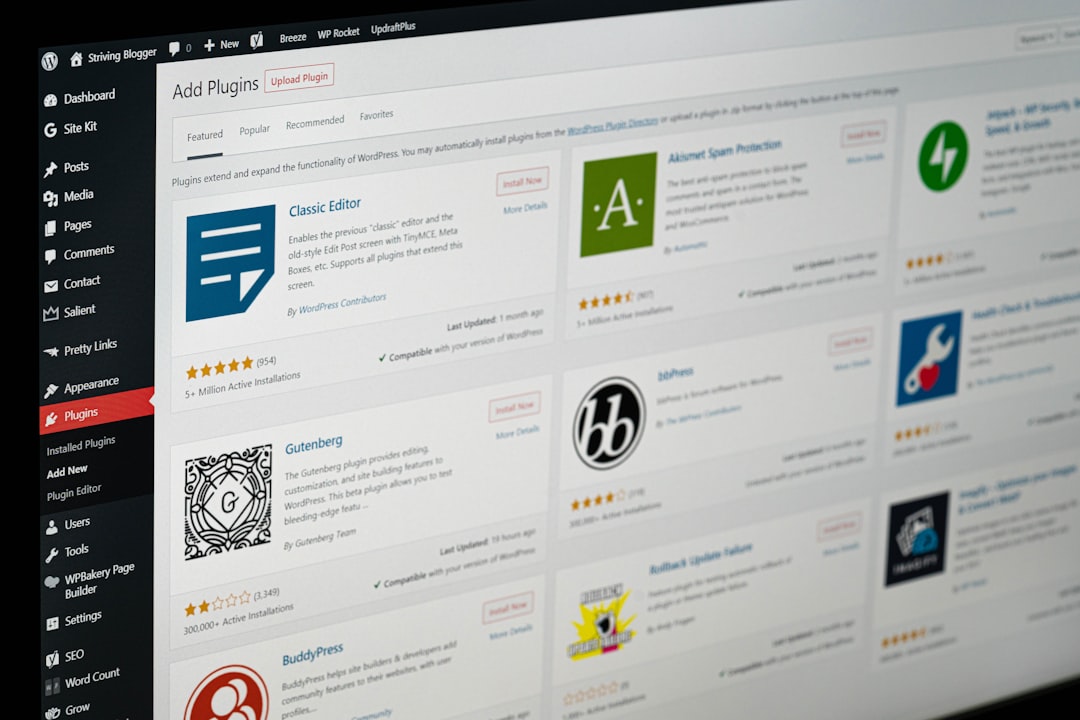
In the ever-evolving landscape of digital marketing, Search Engine Optimization (SEO) has emerged as a critical component for businesses seeking to enhance their online visibility. SEO tools play a pivotal role in this process, providing marketers and website owners with the necessary resources to optimize their content, improve search engine rankings, and ultimately drive traffic to their sites. These tools range from keyword research applications to comprehensive analytics platforms, each designed to address specific aspects of SEO. By leveraging these tools effectively, businesses can gain a competitive edge in their respective markets.
The importance of SEO tools cannot be overstated. They not only streamline the optimization process but also provide valuable insights into user behavior, search trends, and website performance. As search engines continue to refine their algorithms, the need for sophisticated tools that can adapt to these changes becomes increasingly vital. Understanding the various types of SEO tools available and how they can be utilized is essential for anyone looking to succeed in the digital realm. This article will explore the different categories of SEO tools, highlighting their functionalities and benefits.
Keyword Research Tools
Keyword research tools are fundamental to any successful SEO strategy. They enable marketers to identify the terms and phrases that potential customers are using when searching for products or services online. By understanding these keywords, businesses can tailor their content to meet user intent, thereby increasing the likelihood of attracting relevant traffic. Popular keyword research tools such as Google Keyword Planner, SEMrush, and Ahrefs provide insights into search volume, competition levels, and related keywords, allowing users to make informed decisions about their content strategy.
Moreover, keyword research tools often offer additional features that enhance their utility. For instance, many of these tools provide data on long-tail keywords, which are typically less competitive and can yield higher conversion rates. By focusing on these specific phrases, businesses can capture niche audiences that may be overlooked by competitors. Additionally, some keyword research tools include features for tracking keyword rankings over time, enabling users to monitor their progress and adjust their strategies accordingly. This comprehensive approach to keyword research is essential for optimizing content and improving overall search engine visibility.
On-Page SEO Tools
On-page SEO tools are designed to help website owners optimize individual pages for better search engine performance. These tools analyze various elements of a webpage, including title tags, meta descriptions, header tags, and content quality. By ensuring that these components are aligned with SEO best practices, businesses can enhance their chances of ranking higher in search results. Tools like Yoast SEO and Moz Pro offer valuable insights into on-page optimization, providing recommendations for improving content structure and relevance.
In addition to analyzing existing content, on-page SEO tools often include features for optimizing images and improving site speed. Image optimization is crucial for enhancing user experience and reducing load times, which can significantly impact bounce rates. Furthermore, many on-page SEO tools provide real-time feedback as users create or edit content, allowing for immediate adjustments that can lead to better optimization outcomes. By utilizing these tools effectively, businesses can create high-quality content that resonates with both users and search engines.
Off-Page SEO Tools

Off-page SEO refers to the strategies employed outside of a website to improve its authority and ranking in search engine results pages (SERPs). Off-page SEO tools focus on building backlinks, managing social media presence, and enhancing brand reputation across the web. Tools like Majestic and Ahrefs are instrumental in analyzing backlink profiles, helping businesses identify opportunities for link building and assess the quality of their existing links.
Additionally, off-page SEO tools often provide insights into competitors’ backlink strategies, allowing users to uncover potential link-building opportunities that they may have overlooked. By understanding where competitors are gaining their backlinks from, businesses can develop targeted outreach campaigns to secure similar links. Furthermore, social media management tools can complement off-page SEO efforts by facilitating engagement with audiences and promoting content across various platforms. This holistic approach to off-page SEO is essential for building a strong online presence and improving overall search engine rankings.
Technical SEO Tools
| SEO Software/Tool/Service | Best Value Metric |
|---|---|
| Ahrefs | Backlink Analysis |
| SEMrush | Keyword Research |
| Moz Pro | Site Audits |
| Google Search Console | Performance Tracking |
| Screaming Frog | Website Crawling |
Technical SEO focuses on the backend aspects of a website that influence its performance in search engines. Technical SEO tools are designed to identify issues related to site architecture, crawlability, indexing, and overall site health. Tools like Google Search Console and Screaming Frog provide valuable insights into how search engines interact with a website, helping users identify and rectify technical issues that may hinder performance.
One of the key functionalities of technical SEO tools is the ability to conduct site audits. These audits assess various technical elements such as page speed, mobile-friendliness, and structured data implementation. By addressing these issues, businesses can enhance user experience and ensure that their websites are optimized for search engine crawlers. Additionally, technical SEO tools often provide recommendations for improving site performance based on industry best practices. This proactive approach to technical optimization is crucial for maintaining a competitive edge in the digital landscape.
Local SEO Tools
For businesses targeting local customers, local SEO tools are indispensable. These tools help optimize a website’s presence in local search results by focusing on location-based keywords and enhancing visibility in local directories. Tools like Moz Local and BrightLocal assist businesses in managing their online listings across various platforms, ensuring consistency in name, address, and phone number (NAP) information.
Moreover, local SEO tools often provide insights into local search trends and competitor analysis within specific geographic areas. By understanding how local consumers search for products or services, businesses can tailor their marketing strategies accordingly. Additionally, many local SEO tools offer features for monitoring online reviews and managing customer feedback, which can significantly impact a business’s reputation in the local community. By leveraging these tools effectively, businesses can enhance their visibility among local audiences and drive foot traffic to their physical locations.
SEO Analytics Tools
SEO analytics tools are essential for measuring the effectiveness of an SEO strategy. These tools provide insights into website performance metrics such as organic traffic, bounce rates, conversion rates, and user engagement levels. Google Analytics is one of the most widely used analytics platforms, offering comprehensive data that helps businesses understand how users interact with their websites.
In addition to tracking performance metrics, SEO analytics tools often include features for setting up goals and conversions. This allows businesses to measure the success of specific campaigns or content pieces in driving desired actions from users. Furthermore, many analytics tools offer customizable dashboards that enable users to visualize data in a way that aligns with their specific objectives. By regularly analyzing this data, businesses can make informed decisions about their SEO strategies and identify areas for improvement.
Link Building Tools
Link building remains a cornerstone of effective SEO strategies, as high-quality backlinks signal authority and relevance to search engines. Link building tools assist businesses in identifying potential link opportunities and managing outreach efforts effectively. Tools like BuzzSumo and Linkody provide insights into competitor backlinks and help users discover websites that may be interested in linking to their content.
Additionally, link building tools often include features for tracking the success of outreach campaigns and monitoring the status of acquired links. This allows businesses to assess the effectiveness of their link-building efforts over time and make necessary adjustments to their strategies. Moreover, some link building tools offer resources for creating shareable content that naturally attracts backlinks from other websites. By employing these tools strategically, businesses can enhance their link profiles and improve their overall search engine rankings.
Content Optimization Tools
Content optimization is crucial for ensuring that web pages resonate with both users and search engines. Content optimization tools help marketers refine their content by providing insights into readability, keyword usage, and overall structure. Tools like Clearscope and SurferSEO analyze top-performing content in a given niche and offer recommendations for improving existing articles or blog posts.
These tools often focus on semantic analysis as well, suggesting related terms and phrases that can enhance content relevance. By incorporating these suggestions into their writing, businesses can create more comprehensive articles that address user queries more effectively. Additionally, content optimization tools may include features for analyzing competitor content strategies, allowing users to identify gaps in their own content offerings. This data-driven approach to content creation is essential for driving organic traffic and improving search engine rankings.
SEO Audit Tools
SEO audit tools are invaluable for assessing a website’s overall health and identifying areas for improvement across various aspects of SEO. These tools conduct comprehensive evaluations of on-page elements, technical performance, backlink profiles, and more. Platforms like SEMrush Site Audit and Ahrefs Site Audit provide detailed reports that highlight issues affecting a website’s performance.
The insights gained from an SEO audit can guide businesses in prioritizing their optimization efforts effectively. For instance, if an audit reveals significant issues with page speed or mobile usability, addressing these concerns should take precedence over other tasks. Additionally, many audit tools offer actionable recommendations for resolving identified issues, making it easier for businesses to implement necessary changes. Regularly conducting SEO audits ensures that websites remain optimized in line with evolving best practices and algorithm updates.
Conclusion and Final Recommendations
In conclusion, the landscape of SEO is complex yet rewarding for those who invest time in understanding its intricacies. The variety of SEO tools available today empowers businesses to optimize their online presence effectively across multiple dimensions—from keyword research to technical audits. Each category of tool serves a unique purpose but collectively contributes to a comprehensive SEO strategy that drives traffic and enhances visibility.
For businesses looking to improve their SEO efforts, it is essential to adopt a holistic approach by utilizing a combination of these tools tailored to their specific needs. Regularly monitoring performance metrics through analytics platforms will provide valuable insights into what works and what doesn’t. Furthermore, staying updated on industry trends and algorithm changes will ensure that strategies remain relevant in an ever-changing digital landscape.
Ultimately, investing in the right SEO tools not only streamlines optimization efforts but also fosters long-term growth by enhancing online visibility and attracting targeted traffic. As businesses navigate this dynamic environment, leveraging these resources will be key to achieving sustained success in the digital marketplace.
FAQs
What is SEO software/tool/service?
SEO software, tools, and services are designed to help businesses improve their online visibility and search engine rankings. They can include keyword research tools, website audit software, backlink analysis services, and more.
What are the benefits of using SEO software/tool/service?
Using SEO software, tools, or services can help businesses improve their website’s visibility in search engine results, drive more organic traffic, and ultimately increase their online presence and revenue.
What features should I look for in SEO software/tool/service?
When choosing an SEO software, tool, or service, it’s important to look for features such as keyword research capabilities, website audit and analysis tools, backlink monitoring, competitor analysis, and reporting and analytics.
How do I choose the best SEO software/tool/service for my business?
To choose the best SEO software, tool, or service for your business, consider factors such as your budget, the specific SEO needs of your website, the level of customer support offered, and the user-friendliness of the software or tool.
What are some popular SEO software/tools/services available in the market?
Some popular SEO software, tools, and services in the market include SEMrush, Ahrefs, Moz Pro, Google Search Console, and Yoast SEO. Each of these offers a range of features to help businesses improve their SEO efforts.