
5 Essential SEO Tools to Jumpstart Your Strategy
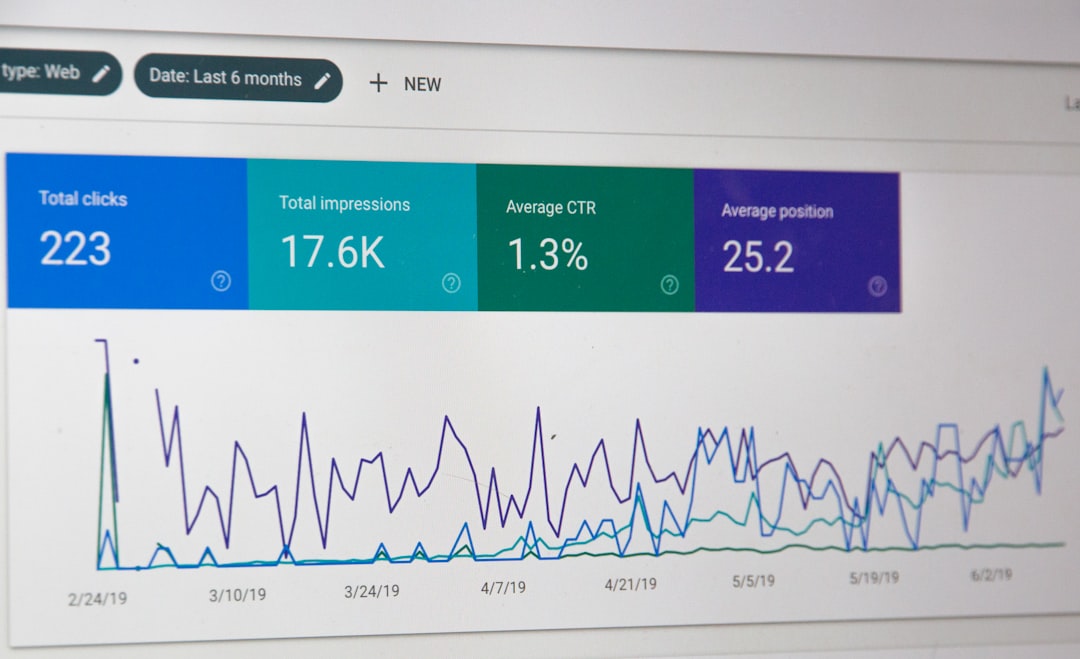
In the ever-evolving landscape of digital marketing, Search Engine Optimization (SEO) has emerged as a critical component for businesses seeking to enhance their online visibility. SEO tools play a pivotal role in this process, providing marketers and website owners with the necessary resources to optimize their content, analyze performance, and ultimately drive traffic to their sites. These tools range from simple keyword planners to comprehensive analytics platforms, each designed to address specific aspects of SEO. As the digital marketplace becomes increasingly competitive, understanding and utilizing the right SEO tools can make a significant difference in a brand’s online success.
The importance of SEO tools cannot be overstated. They empower users to make data-driven decisions, allowing for a more strategic approach to content creation and website management. By leveraging these tools, businesses can identify opportunities for improvement, track their progress over time, and adapt their strategies based on real-time insights. As such, the selection of appropriate SEO tools is not merely a technical choice but a strategic one that can influence a company’s overall digital marketing effectiveness.
Keyword Research Tools
Keyword research tools are foundational to any successful SEO strategy. They enable marketers to discover the terms and phrases that potential customers are using when searching for products or services online. By understanding these keywords, businesses can tailor their content to meet the needs of their audience, thereby increasing the likelihood of attracting organic traffic. Popular keyword research tools like Google Keyword Planner, Ahrefs, and SEMrush provide valuable insights into search volume, competition levels, and related keywords, helping users to refine their targeting.
Moreover, keyword research tools often offer features that allow users to analyze trends over time. This capability is particularly useful for identifying seasonal fluctuations in search behavior or emerging topics within a niche. By staying ahead of these trends, businesses can create timely and relevant content that resonates with their audience. Additionally, many keyword research tools provide suggestions for long-tail keywords, which can be less competitive and more targeted, offering an excellent opportunity for smaller businesses to carve out their niche in the market.
On-Page SEO Tools
On-page SEO tools focus on optimizing individual web pages to improve their search engine rankings. These tools analyze various elements of a webpage, including title tags, meta descriptions, header tags, and content quality. By ensuring that these elements are optimized for both search engines and users, businesses can enhance their chances of ranking higher in search results. Tools like Yoast SEO and Moz Pro offer comprehensive analyses of on-page factors, providing actionable recommendations for improvement.
In addition to basic optimization features, many on-page SEO tools also assess the overall user experience of a webpage. Factors such as page load speed, mobile responsiveness, and content readability are crucial for retaining visitors and reducing bounce rates. By utilizing these tools, marketers can create a more engaging and user-friendly experience that not only satisfies search engine algorithms but also meets the expectations of their audience. This dual focus on technical optimization and user experience is essential for achieving long-term SEO success.
Backlink Analysis Tools

Backlinks are a critical component of SEO, serving as indicators of a website’s authority and credibility. Backlink analysis tools help users evaluate their own backlink profiles as well as those of their competitors. By understanding the quantity and quality of backlinks pointing to a site, businesses can identify opportunities for improvement and develop strategies to enhance their link-building efforts. Tools like Ahrefs and Majestic provide detailed insights into backlink sources, anchor text distribution, and overall link health.
Furthermore, backlink analysis tools can assist in identifying toxic links that may harm a website’s reputation. By regularly monitoring backlinks, businesses can take proactive measures to disavow harmful links and maintain a healthy link profile. Additionally, these tools often offer competitive analysis features that allow users to see where competitors are gaining their backlinks. This information can be invaluable for developing targeted outreach strategies and identifying potential partnership opportunities within the industry.
Rank Tracking Tools
| Tool | Features | Cost |
|---|---|---|
| Google Keyword Planner | Keyword research, search volume data | Free with Google Ads account |
| SEMrush | Keyword research, backlink analysis, site audit | Starts at 99.95/month |
| Ahrefs | Keyword research, backlink analysis, site audit | Starts at 99/month |
| Moz Pro | Keyword research, site audit, rank tracking | Starts at 99/month |
Rank tracking tools are essential for monitoring a website’s performance in search engine results pages (SERPs). These tools provide insights into how specific keywords are ranking over time, allowing businesses to assess the effectiveness of their SEO strategies. By tracking keyword rankings regularly, marketers can identify trends and make informed decisions about where to focus their optimization efforts. Popular rank tracking tools like SERPWatcher and AccuRanker offer user-friendly interfaces and detailed reporting features.
In addition to tracking keyword rankings, many rank tracking tools also provide insights into competitors’ performance. This competitive analysis can help businesses understand how they stack up against others in their industry and identify areas for improvement. Furthermore, some rank tracking tools offer alerts for significant changes in rankings, enabling marketers to respond quickly to fluctuations that may impact traffic and visibility. By leveraging these insights, businesses can refine their strategies and maintain a competitive edge in the digital landscape.
Competitor Analysis Tools
Understanding the competitive landscape is crucial for any business looking to succeed online. Competitor analysis tools provide valuable insights into what other players in the market are doing well and where there may be gaps that can be exploited. These tools allow users to analyze competitors’ websites, content strategies, backlink profiles, and keyword rankings. By gathering this information, businesses can develop more effective SEO strategies that capitalize on competitors’ weaknesses while enhancing their strengths.
Tools like SpyFu and SimilarWeb offer comprehensive competitor analysis features that enable users to benchmark their performance against industry leaders. By examining competitors’ top-performing content and keywords, businesses can identify opportunities for creating similar or improved content that resonates with their target audience. Additionally, competitor analysis tools often highlight emerging trends within an industry, allowing businesses to stay ahead of the curve and adapt their strategies accordingly.
Technical SEO Tools
Technical SEO is an essential aspect of optimizing a website for search engines. It involves ensuring that a site is structured correctly and free from technical issues that could hinder its performance in search results. Technical SEO tools help users identify issues such as broken links, duplicate content, slow page load times, and improper indexing. Tools like Screaming Frog and Google Search Console provide comprehensive audits of websites, highlighting areas that require attention.
In addition to identifying technical issues, many technical SEO tools offer recommendations for resolving these problems. For instance, they may suggest optimizing images for faster loading times or improving site architecture for better crawlability by search engines. By addressing these technical aspects, businesses can enhance their overall site performance and improve user experience. A well-optimized website not only ranks better in search results but also provides visitors with a seamless browsing experience.
Local SEO Tools
For businesses targeting local customers, local SEO tools are indispensable. These tools help optimize a website’s presence in local search results by focusing on factors such as Google My Business listings, local citations, and customer reviews. Tools like Moz Local and BrightLocal assist businesses in managing their local listings and ensuring consistency across various platforms. This consistency is crucial for building trust with both search engines and potential customers.
Local SEO tools also provide insights into local keyword performance and competition levels within specific geographic areas. By understanding how local customers search for products or services, businesses can tailor their content and marketing strategies accordingly. Additionally, many local SEO tools offer features for monitoring online reviews and managing customer feedback, which is vital for maintaining a positive reputation in the community. By leveraging these insights, businesses can effectively connect with local audiences and drive foot traffic to their physical locations.
Mobile SEO Tools
With the increasing prevalence of mobile device usage for internet browsing, mobile SEO has become a critical focus for businesses aiming to reach their audience effectively. Mobile SEO tools help ensure that websites are optimized for mobile devices by analyzing factors such as responsive design, page speed on mobile networks, and mobile usability. Tools like Google’s Mobile-Friendly Test provide valuable feedback on how well a site performs on mobile devices.
Moreover, mobile SEO tools often offer insights into mobile-specific user behavior patterns. Understanding how users interact with websites on mobile devices can inform design choices and content strategies tailored specifically for this audience segment. As mobile-first indexing becomes more prevalent among search engines like Google, prioritizing mobile optimization is essential for maintaining visibility in search results. By utilizing mobile SEO tools effectively, businesses can enhance user experience across devices and improve overall engagement.
SEO Reporting Tools
SEO reporting tools are vital for tracking progress and demonstrating the effectiveness of SEO efforts over time. These tools compile data from various sources—such as keyword rankings, traffic analytics, backlink profiles, and on-page performance—into comprehensive reports that provide insights into overall performance metrics. Tools like Google Data Studio and SEMrush offer customizable reporting features that allow users to visualize data in meaningful ways.
Effective reporting is crucial not only for internal assessments but also for communicating results to stakeholders or clients. Clear visualizations of key performance indicators (KPIs) can help illustrate the impact of SEO strategies on business goals such as increased traffic or conversions. Additionally, regular reporting enables businesses to identify trends over time and adjust their strategies accordingly based on what is working or what needs improvement.
Choosing the Right SEO Tools
Selecting the right SEO tools is essential for any business looking to enhance its online presence effectively. With a plethora of options available—ranging from keyword research to technical analysis—businesses must carefully consider their specific needs and objectives when choosing which tools to implement. A well-rounded approach often involves utilizing multiple types of tools to cover all aspects of SEO comprehensively.
Ultimately, the effectiveness of any SEO tool lies in how well it aligns with a business’s goals and its ability to provide actionable insights that drive improvement. By investing time in researching and testing various options, businesses can find the right combination of tools that will empower them to optimize their websites effectively and achieve lasting success in the digital landscape. In an age where online visibility is paramount, leveraging the right SEO tools is not just an option; it is a necessity for sustained growth and competitiveness in the market.
FAQs
What is SEO?
SEO stands for Search Engine Optimization, which is the practice of increasing the quantity and quality of traffic to your website through organic search engine results.
Why is SEO important?
SEO is important because it helps your website rank higher in search engine results, making it more likely that potential customers will find and visit your site.
What tools are commonly used for SEO?
Commonly used tools for SEO include Google Analytics, Google Search Console, SEMrush, Ahrefs, Moz, and Yoast SEO.
How do these tools help with SEO?
These tools help with SEO by providing insights into website traffic, keyword research, backlink analysis, site audits, and on-page optimization.
Are there free SEO tools available?
Yes, there are free SEO tools available, such as Google Analytics, Google Search Console, and Yoast SEO. These tools offer basic features for website optimization and analysis.