
Storm vs Lynx: A Comparison of Abilities and Strengths
When we think of nature’s most formidable forces, two entities often come to mind: the storm and the lynx. While they belong to different realms—one being a meteorological phenomenon and the other a wild feline predator—they both exhibit remarkable characteristics that make them powerful in their own right. This article will delve into the physical abilities, behavioral strengths, hunting techniques, adaptability, and environmental impact of both the storm and the lynx. By the end, we’ll explore which of these two can be considered the superior predator in their respective domains.
Understanding storms requires a grasp of their dynamic nature. They can manifest as thunderstorms, hurricanes, or blizzards, each with unique characteristics and impacts. On the other hand, the lynx, a solitary and elusive creature, is known for its keen hunting skills and adaptability to various environments. By examining these two forces closely, we can appreciate their roles in the ecosystem and their respective strengths.
Physical Abilities of the Storm
Storms are characterized by their immense energy and power. The sheer force of a thunderstorm can produce winds exceeding 60 miles per hour, while hurricanes can reach speeds of over 150 miles per hour. This wind power is not just a spectacle; it has real-world implications, uprooting trees, damaging structures, and reshaping landscapes. The ability of storms to generate lightning adds another layer of physical prowess. A single bolt of lightning can carry up to one billion volts of electricity, illuminating the sky and striking with incredible force.
Moreover, storms can produce heavy rainfall and hail, which can lead to flooding and erosion. The physical impact of a storm is not limited to its immediate effects; it can also alter ecosystems over time. For instance, heavy rains can replenish water sources, while strong winds can clear out old vegetation, allowing new growth to flourish. In this way, storms play a crucial role in maintaining ecological balance, despite their often-destructive nature.
Physical Abilities of the Lynx
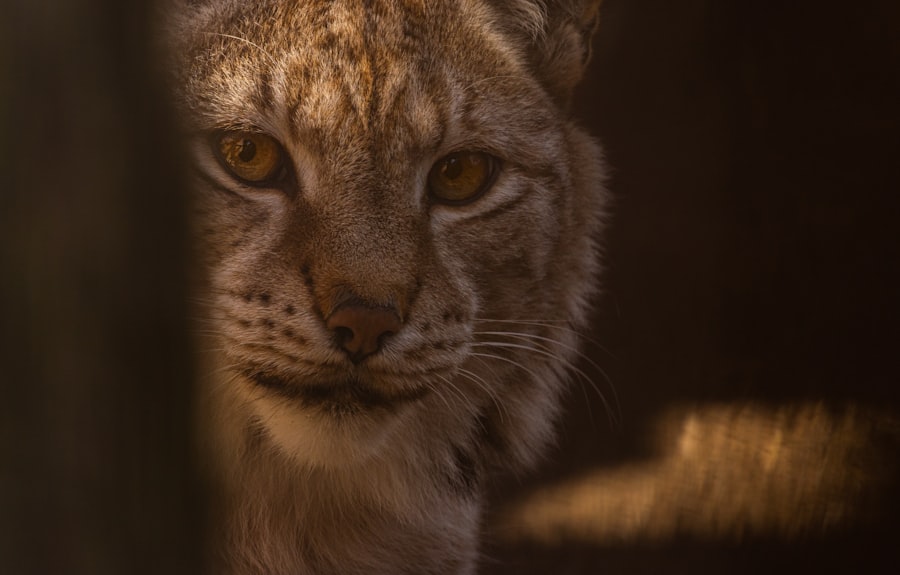
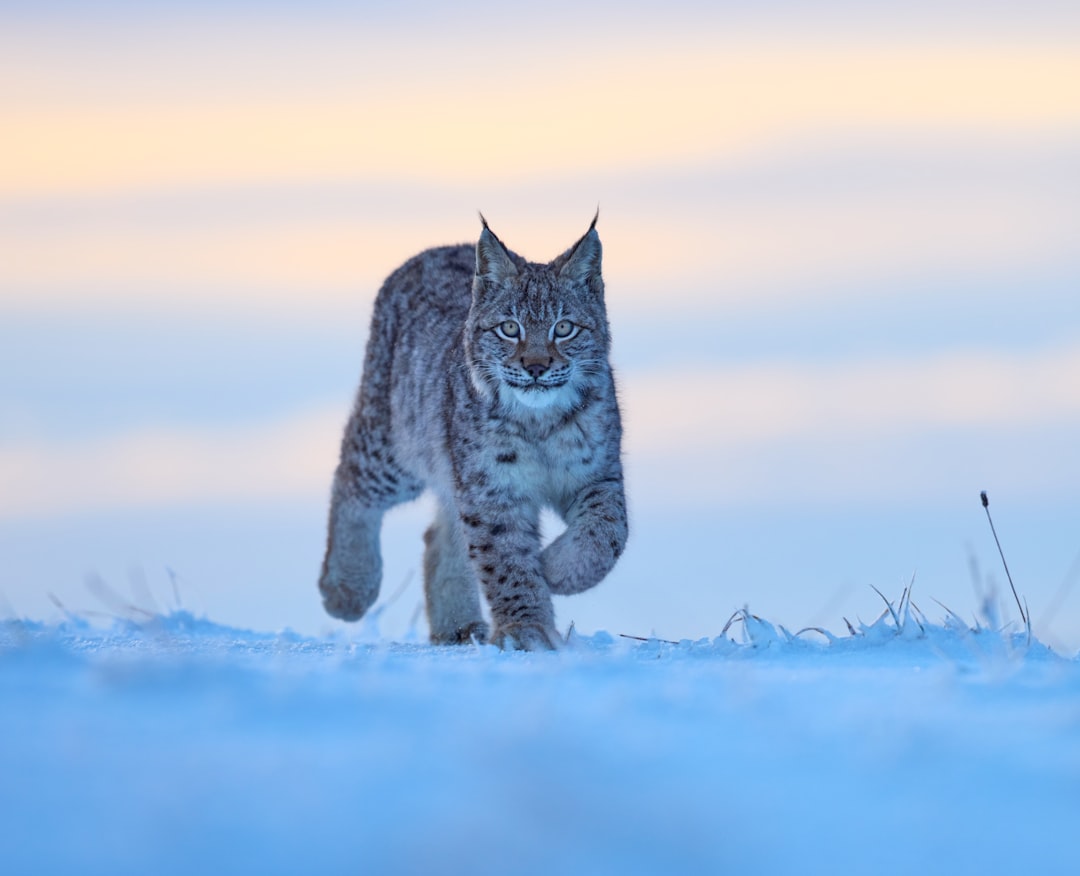
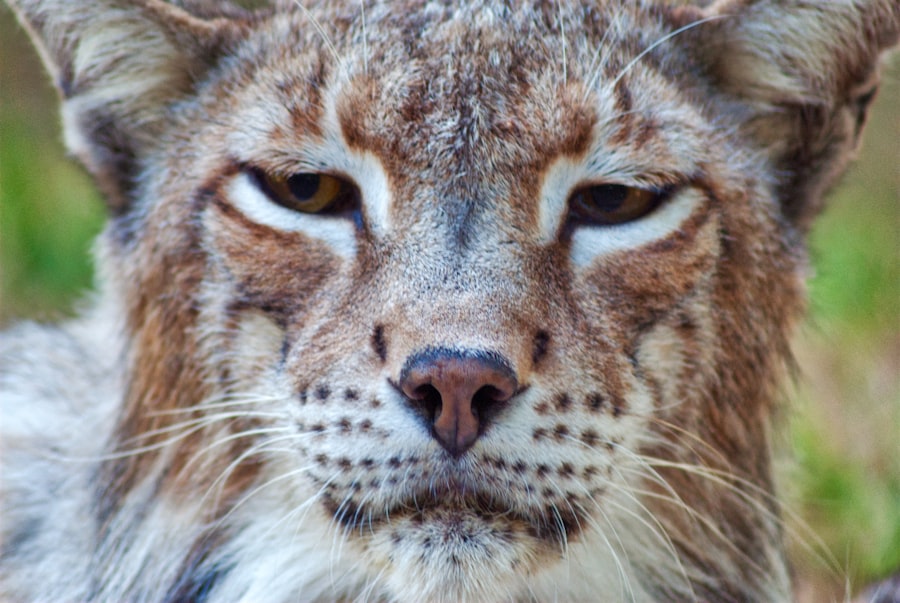
The lynx is a master of stealth and agility, equipped with physical traits that make it an exceptional predator. With its tufted ears and keen eyesight, the lynx can detect even the slightest movements in its environment. Its powerful legs allow it to leap great distances—up to 10 feet in a single bound—making it an adept hunter in snowy terrains where it often resides. The lynx’s padded paws act like snowshoes, enabling it to traverse deep snow with ease.
In addition to its impressive physical attributes, the lynx possesses sharp retractable claws that aid in gripping prey and climbing trees. This ability to navigate both ground and arboreal environments gives it an advantage when stalking or escaping from potential threats. The lynx’s fur is another asset; it provides insulation against cold temperatures while also serving as camouflage in its natural habitat. These physical abilities combine to make the lynx a formidable predator in its ecosystem.
Behavioral Strengths of the Storm
Storms exhibit a range of behaviors that reflect their complexity. One notable aspect is their ability to form and dissipate based on atmospheric conditions. For instance, thunderstorms develop when warm, moist air rises and cools, leading to condensation and precipitation. This process is influenced by various factors such as temperature, humidity, and wind patterns. The dynamic nature of storms means they can change rapidly, sometimes without warning.
Another behavioral strength of storms is their capacity to interact with other weather systems. For example, a cold front meeting a warm front can create severe weather conditions like tornadoes or hailstorms. This interaction showcases the interconnectedness of weather patterns and highlights how storms can influence one another. Understanding these behaviors is crucial for meteorologists who strive to predict storm patterns and mitigate their impacts on communities.
Behavioral Strengths of the Lynx
| Metrics | Storm | Lynx |
|---|---|---|
| Wins | 3 | 5 |
| Points Scored | 250 | 280 |
| Assists | 120 | 110 |
| Rebounds | 300 | 320 |
The lynx exhibits several behavioral strengths that enhance its survival as a predator. Primarily solitary creatures, lynxes are known for their stealthy hunting techniques. They rely on patience and precision rather than sheer speed; often stalking their prey for extended periods before making a calculated move. This behavior allows them to conserve energy while maximizing their chances of a successful hunt.
Additionally, lynxes are territorial animals that communicate through scent marking and vocalizations. They establish home ranges that they defend from other lynxes, ensuring access to food resources. This territorial behavior is crucial for their survival, as it helps reduce competition for prey in their habitat. Their ability to adapt their hunting strategies based on prey availability further demonstrates their behavioral strengths.
Hunting Techniques of the Storm
While storms do not hunt in the traditional sense like animals do, they do exhibit hunting-like behaviors through their interactions with the environment. For instance, storms can “hunt” for moisture by drawing in humid air from surrounding areas. This process is essential for storm formation and intensification. As storms develop, they can also “target” specific regions for precipitation, leading to localized flooding or droughts depending on their path.
Moreover, storms can create conditions that facilitate other forms of predation in nature. For example, heavy rains can wash nutrients into rivers and streams, promoting fish populations that attract birds of prey. In this way, storms indirectly influence hunting dynamics within ecosystems by altering habitats and food availability.
Hunting Techniques of the Lynx
The lynx employs several sophisticated hunting techniques that highlight its prowess as a predator. One common method is ambush hunting; the lynx will often hide behind vegetation or snowdrifts, waiting patiently for unsuspecting prey to come within striking distance. Once the moment is right, it pounces with remarkable speed and agility.
Another technique involves stalking prey silently through the underbrush or snow. The lynx uses its keen sense of hearing and sight to detect movements from a distance before closing in for the kill. This method is particularly effective when hunting small mammals like hares or rodents, which are common in its diet. The lynx’s ability to adapt its hunting strategy based on environmental conditions further enhances its effectiveness as a predator.
Adaptability of the Storm
Storms are inherently adaptable phenomena that respond dynamically to changes in atmospheric conditions. They can form in various environments—from tropical regions where hurricanes thrive to temperate zones where thunderstorms are common. This adaptability allows storms to manifest in different forms depending on local weather patterns.
Moreover, storms can evolve rapidly; a small thunderstorm can intensify into a severe storm within minutes if conditions are right. This adaptability poses challenges for forecasting but also highlights the resilience of storm systems in nature. Their ability to change shape and intensity based on environmental factors underscores their role as powerful agents of change within ecosystems.
Adaptability of the Lynx
The lynx is equally adaptable, thriving in diverse habitats ranging from dense forests to tundra regions. Its thick fur provides insulation against cold temperatures while allowing it to blend seamlessly into its surroundings—an essential trait for both hunting and avoiding predators. This adaptability extends to its diet as well; while hares are a primary food source, lynxes will also consume birds or small mammals when necessary.
Seasonal changes also influence the lynx’s behavior and hunting strategies. In winter, they rely more on their ability to track prey through snow, while during warmer months, they may hunt more actively during dawn or dusk when prey is most active. This flexibility in behavior ensures that lynxes can survive and thrive despite fluctuations in food availability or environmental conditions.
Environmental Impact of Storm and Lynx
Both storms and lynxes play significant roles in shaping their environments. Storms contribute to soil fertility by depositing nutrients through rainfall and facilitating plant growth after disturbances like wildfires or droughts. They also help regulate ecosystems by influencing water cycles and creating habitats for various species.
On the other hand, lynxes impact their ecosystems through predation dynamics. By controlling populations of small mammals like hares, they help maintain balance within food webs. Their presence can also influence vegetation patterns; areas with high lynx populations may see different plant communities due to reduced herbivory from prey species.
Both entities demonstrate how interconnected natural systems are; storms create conditions that affect wildlife habitats while predators like the lynx help regulate those habitats through their hunting behaviors.
Which is the Superior Predator?
Determining whether the storm or the lynx is the superior predator ultimately depends on how we define “predator.” If we consider raw power and environmental impact, storms certainly hold an edge with their ability to reshape landscapes and influence ecosystems dramatically. Their capacity for destruction is matched only by their role in renewal and regeneration.
However, if we focus on predation in terms of survival skills and hunting techniques within an ecosystem context, the lynx emerges as a highly effective predator with specialized adaptations that allow it to thrive in various environments.
In conclusion, both storms and lynxes exhibit unique strengths that make them formidable forces within their respective domains. Each plays an essential role in maintaining ecological balance—one through sheer power and transformation of landscapes, the other through precise predation and population control. Rather than viewing one as superior over the other, it’s more insightful to appreciate how both contribute to the intricate tapestry of life on Earth.
FAQs
What is the difference between a storm and a lynx?
A storm is a violent disturbance of the atmosphere with strong winds, rain, thunder, lightning, or snow, while a lynx is a medium-sized wild cat with a short tail and tufted ears.
How are storms and lynx similar?
Both storms and lynx are natural phenomena that occur in the environment. They can both have an impact on the surrounding ecosystem and human activities.
What are the characteristics of a storm?
A storm is characterized by strong winds, heavy precipitation, and sometimes thunder and lightning. It can occur in various forms such as hurricanes, tornadoes, blizzards, and thunderstorms.
What are the characteristics of a lynx?
A lynx is characterized by its medium size, short tail, tufted ears, and distinctive facial ruff. It is a solitary and elusive predator that primarily hunts small mammals.
How do storms and lynx impact the environment?
Storms can cause damage to infrastructure, disrupt ecosystems, and lead to loss of life. Lynx, on the other hand, play a role in controlling small mammal populations and maintaining the balance of their ecosystems.