
Exploring the Depths: Ocean Observatories Initiative

The Ocean Observatories Initiative (OOI) is a groundbreaking program designed to enhance our understanding of the ocean and its complex systems. Launched in 2009, the OOI aims to provide continuous, real-time data about the ocean’s physical, chemical, biological, and geological processes. This initiative is crucial for scientists, policymakers, and the public alike, as it helps us grasp the intricate dynamics of marine environments and their responses to climate change and human activities.
At its core, the OOI represents a significant leap forward in oceanographic research. By deploying a network of advanced sensors and instruments across various oceanic regions, the initiative allows for unprecedented monitoring of ocean conditions. This data not only aids in scientific research but also informs conservation efforts and policy decisions aimed at protecting marine ecosystems.
The Purpose and Goals of the Ocean Observatories Initiative
The primary purpose of the Ocean Observatories Initiative is to create a comprehensive framework for observing the ocean in real-time. One of its main goals is to improve our understanding of ocean dynamics, including currents, temperature variations, and nutrient distributions. By collecting this data, researchers can better predict how these factors influence marine life and ecosystems.
Another key goal of the OOI is to foster collaboration among scientists from various disciplines. The initiative encourages interdisciplinary research that combines oceanography with fields like climate science, biology, and geology. This holistic approach is essential for addressing complex questions about ocean health and sustainability. Ultimately, the OOI aims to provide a wealth of information that can guide effective management and conservation strategies for our oceans.
Design and Implementation of the Ocean Observatories

Designing and implementing the Ocean Observatories Initiative involves a meticulous process that integrates cutting-edge technology with scientific expertise. The initiative comprises several regional observatories strategically located in key oceanic areas, such as the Pacific Northwest and the Gulf of Mexico. Each observatory is equipped with a suite of instruments capable of measuring various ocean parameters, including temperature, salinity, and dissolved oxygen levels.
The implementation phase also includes establishing robust data transmission systems to ensure that collected information is relayed back to researchers in real-time. This requires a combination of underwater cables, buoys, and autonomous vehicles that can operate in challenging marine environments. The careful planning and execution of these systems are vital for ensuring that the data collected is accurate and reliable.
The Role of Technology in Ocean Observatories
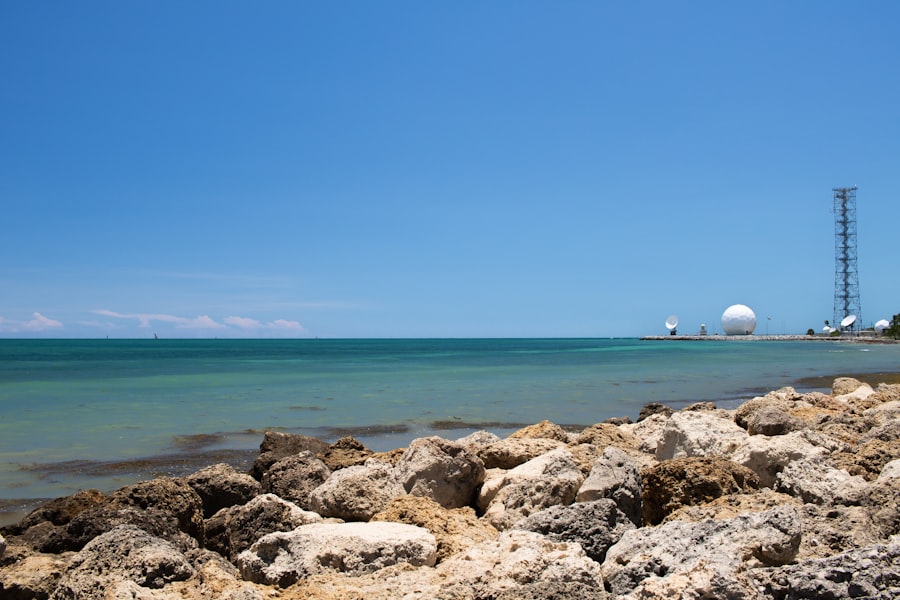
Technology plays a pivotal role in the success of the Ocean Observatories Initiative. Advanced sensors and instruments are at the heart of data collection efforts, allowing researchers to monitor ocean conditions with remarkable precision. For instance, autonomous underwater vehicles (AUVs) can navigate through complex underwater terrains, gathering data from areas that are otherwise difficult to access.
Moreover, satellite technology complements these efforts by providing a broader view of oceanic conditions from above. Satellites can track surface temperatures, chlorophyll concentrations, and even large-scale phenomena like El Niño. The integration of these technologies not only enhances data collection but also enables researchers to analyze trends over time, leading to more informed conclusions about ocean health.
Data Collection and Analysis from Ocean Observatories
| Observatory Name | Location | Depth | Research Focus |
|---|---|---|---|
| Regional Scale Nodes | North East Pacific | 2000 meters | Seafloor processes, ocean circulation |
| Coastal Endurance | Washington and Oregon | 500 meters | Coastal dynamics, ecosystem variability |
| Cabled Array | Offshore Oregon | 3000 meters | Volcanic activity, deep-sea ecosystems |
Data collection from ocean observatories is a continuous process that involves multiple methodologies. Instruments deployed at various depths gather information on temperature, salinity, currents, and biological activity. This data is then transmitted to shore-based facilities where it undergoes rigorous analysis.
The analysis phase is crucial for transforming raw data into meaningful insights. Researchers employ sophisticated algorithms and modeling techniques to interpret the information collected. This can involve identifying patterns in temperature changes or assessing how nutrient levels affect marine life. The resulting analyses contribute significantly to our understanding of ocean dynamics and inform future research directions.
Impact of Ocean Observatories on Marine Research and Conservation
The impact of the Ocean Observatories Initiative on marine research and conservation cannot be overstated. By providing real-time data on ocean conditions, the OOI has revolutionized how scientists study marine ecosystems. Researchers can now observe changes as they happen, allowing for more timely responses to environmental shifts.
In terms of conservation, the data collected by the OOI plays a critical role in informing policy decisions aimed at protecting vulnerable marine species and habitats. For example, understanding how climate change affects ocean temperatures can help policymakers develop strategies to mitigate its impacts on fisheries and coral reefs. The initiative thus serves as a vital resource for both scientific inquiry and environmental stewardship.
Collaborations and Partnerships in the Ocean Observatories Initiative
Collaboration is a cornerstone of the Ocean Observatories Initiative. The program brings together scientists from various institutions, government agencies, and non-profit organizations to work towards common goals. This collaborative spirit fosters innovation and allows for a diverse range of expertise to be applied to complex oceanographic questions.
Partnerships extend beyond academia as well. The OOI collaborates with local communities, fishermen, and policymakers to ensure that the data collected is relevant and useful for those directly impacted by ocean conditions. By engaging stakeholders at multiple levels, the initiative promotes a more inclusive approach to marine research and conservation.
Challenges and Limitations of Ocean Observatories
Despite its many successes, the Ocean Observatories Initiative faces several challenges and limitations. One significant hurdle is the high cost associated with maintaining and operating advanced monitoring systems in harsh marine environments. Funding constraints can limit the scope of research projects or delay necessary upgrades to technology.
Additionally, while real-time data collection is invaluable, it also presents challenges in terms of data management and analysis. The sheer volume of information generated can be overwhelming, requiring sophisticated systems for storage and processing. Ensuring that this data remains accessible and usable for researchers is an ongoing concern that needs addressing.
Future of Ocean Observatories and Potential Developments
Looking ahead, the future of ocean observatories appears promising but requires continued investment in technology and infrastructure. As climate change accelerates, there will be an increasing need for enhanced monitoring capabilities to track its impacts on marine ecosystems. Future developments may include more autonomous systems capable of operating independently for extended periods or advanced sensors that can measure additional parameters.
Moreover, integrating artificial intelligence into data analysis could revolutionize how researchers interpret complex datasets. By leveraging machine learning algorithms, scientists may uncover patterns that were previously difficult to detect, leading to new insights about ocean dynamics.
Public Engagement and Education through Ocean Observatories
Public engagement is an essential aspect of the Ocean Observatories Initiative. By making data accessible to non-scientists, the OOI fosters greater awareness about ocean health and conservation issues among the general public. Educational programs aimed at schools and communities help demystify ocean science and encourage stewardship of marine environments.
Interactive platforms allow individuals to explore real-time data collected by observatories, making science more relatable and engaging. By involving the public in discussions about ocean health, the initiative promotes a sense of shared responsibility for protecting our oceans.
The Importance of Ocean Observatories for Understanding and Preserving the Ocean Environment
In conclusion, the Ocean Observatories Initiative represents a vital effort to enhance our understanding of the ocean environment. Through advanced technology, collaborative research efforts, and public engagement initiatives, the OOI provides invaluable insights into marine ecosystems and their responses to environmental changes.
As we face unprecedented challenges related to climate change and human impact on oceans, initiatives like the OOI are essential for informing effective conservation strategies. By continuing to invest in ocean observatories, we can ensure that future generations inherit a healthier ocean—one that supports diverse marine life and sustains human communities reliant on its resources.
FAQs
What is the Ocean Observatories Initiative (OOI)?
The Ocean Observatories Initiative (OOI) is a large-scale oceanographic research program that deploys and operates a network of cabled undersea observatories and moored buoys to collect data on ocean processes and phenomena.
What is the purpose of the Ocean Observatories Initiative?
The purpose of the Ocean Observatories Initiative is to provide sustained, interactive, and real-time access to a wide range of oceanographic data from diverse ocean environments, including the open ocean, coastal regions, and the seafloor.
What types of data does the Ocean Observatories Initiative collect?
The Ocean Observatories Initiative collects data on physical, chemical, biological, and geological aspects of the ocean, including temperature, salinity, currents, nutrients, oxygen levels, marine life, and seafloor processes.
How is the data collected by the Ocean Observatories Initiative used?
The data collected by the Ocean Observatories Initiative is used by scientists, researchers, and educators to better understand and predict ocean processes, such as climate variability, ocean circulation, marine ecosystems, and natural hazards like tsunamis and hurricanes.
Where are the observatories and buoys of the Ocean Observatories Initiative located?
The observatories and buoys of the Ocean Observatories Initiative are located in various ocean environments around the world, including the Atlantic, Pacific, and Southern Oceans, as well as the Gulf of Mexico and the Arctic Ocean.