
Herpetology 101: A Beginner’s Guide to Reptiles and Amphibians
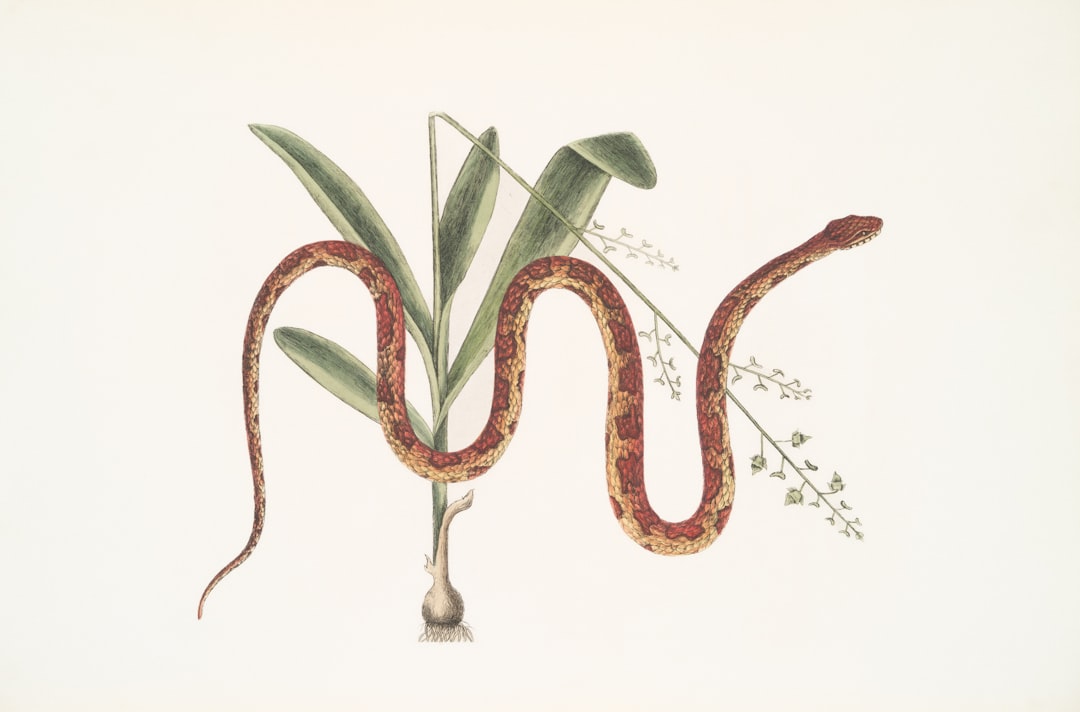
Herpetology is the branch of zoology that focuses on the study of reptiles and amphibians. This field encompasses a wide range of topics, including the biology, behavior, ecology, and conservation of these fascinating creatures. Herpetologists, the scientists who specialize in this area, often conduct research that contributes to our understanding of biodiversity and the health of ecosystems. They may study everything from the mating habits of frogs to the impact of climate change on turtle populations.
The term “herpetology” comes from the Greek word “herpeton,” which means “creeping animal.” This reflects the nature of many reptiles and amphibians, which are often characterized by their crawling or creeping movements. While the field may seem niche, it plays a crucial role in understanding environmental changes and the interconnectedness of life on Earth. As we face increasing threats to biodiversity, herpetology becomes even more vital in informing conservation efforts and public policy.
The Difference Between Reptiles and Amphibians
Reptiles and amphibians are both part of the vertebrate family but have distinct differences that set them apart. One of the most notable differences lies in their skin. Reptiles have dry, scaly skin that helps prevent water loss, making them well-suited for life in drier environments. In contrast, amphibians possess moist, permeable skin that allows for gas exchange and hydration, which is essential for their survival in more aquatic or humid habitats.
Another key difference is their reproductive strategies. Reptiles typically lay eggs with hard shells that provide protection to the developing embryo, allowing them to thrive in a variety of environments. Amphibians, on the other hand, usually lay eggs in water or moist areas, where the eggs hatch into larvae that undergo metamorphosis before becoming adults. This life cycle is a defining characteristic of amphibians and highlights their dependence on aquatic environments during early development.
Basic Anatomy and Physiology of Reptiles and Amphibians
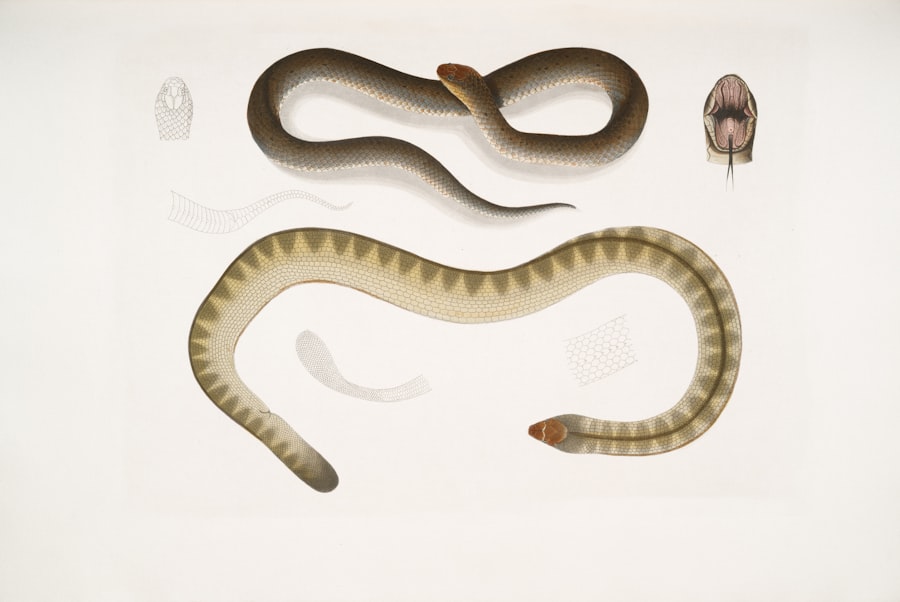
Understanding the anatomy and physiology of reptiles and amphibians is essential for appreciating their adaptations to different environments. Reptiles generally have a more robust skeletal structure compared to amphibians, which allows them to support their body weight on land. Their lungs are well-developed, enabling efficient respiration, while their heart typically has three chambers—two atria and one ventricle—though some reptiles like crocodiles have a four-chambered heart.
Amphibians, in contrast, have a unique respiratory system that allows them to breathe through their skin as well as their lungs. This dual method of respiration is crucial for their survival, especially during their larval stage when they are often fully aquatic. Their hearts usually have three chambers as well, but they can also absorb oxygen directly from water through their skin, which is why maintaining skin moisture is vital for their health.
Common Reptile and Amphibian Species

There are thousands of species of reptiles and amphibians around the world, each with its own unique characteristics. Among reptiles, some common examples include the American alligator, green iguana, and various species of snakes like the garter snake and rattlesnake. These creatures can be found in diverse habitats ranging from deserts to rainforests, showcasing their adaptability.
Amphibians also boast a wide variety of species, with frogs and toads being among the most recognizable. The common frog and American toad are frequently encountered in gardens and wetlands. Salamanders and newts are other notable amphibians that thrive in moist environments. Each species plays a specific role in its ecosystem, whether as predators or prey, contributing to the balance of nature.
Habitat and Behavior
| Topic | Metrics |
|---|---|
| Number of Species | Over 8,000 species of reptiles and over 7,000 species of amphibians |
| Habitats | Study of reptiles and amphibians in various habitats such as forests, deserts, wetlands, and aquatic environments |
| Conservation | Focus on conservation efforts for endangered reptile and amphibian species |
| Research Methods | Field surveys, laboratory experiments, and genetic analysis |
| Importance | Understanding the ecological roles of reptiles and amphibians in ecosystems |
The habitats of reptiles and amphibians vary significantly based on their adaptations and life cycles. Reptiles are often found in terrestrial environments such as forests, grasslands, and deserts. They tend to be more solitary creatures, with many species exhibiting territorial behavior. For instance, male lizards may engage in displays or fights to establish dominance over a territory.
Amphibians typically require both aquatic and terrestrial habitats due to their life cycle. They often breed in ponds or streams where their eggs can develop safely in water. After metamorphosis, many amphibians will spend time on land but return to water for breeding purposes. Their behavior can be quite social; for example, frogs often gather in large groups during mating season, creating a chorus of calls that can be heard from great distances.
Conservation and Threats
Conservation efforts for reptiles and amphibians are increasingly important as many species face significant threats from habitat loss, climate change, pollution, and disease. Urbanization and agricultural expansion have led to the destruction of natural habitats, making it difficult for these animals to find suitable living conditions. Additionally, climate change can alter temperature and precipitation patterns, further impacting their survival.
Diseases such as chytridiomycosis have devastated amphibian populations worldwide. This fungal infection affects the skin of amphibians, which is crucial for their respiration and hydration. Conservationists are working tirelessly to address these threats through habitat restoration projects, captive breeding programs, and public education initiatives aimed at raising awareness about the importance of these species.
Herpetology in Research and Education
Herpetology plays a significant role in scientific research and education. Studies conducted by herpetologists contribute valuable insights into evolutionary biology, ecology, and environmental science. For instance, understanding how reptiles and amphibians respond to environmental changes can provide clues about broader ecological shifts that may affect other species.
Educational programs focused on herpetology help foster a greater appreciation for these animals among students and the general public. Many zoos and aquariums offer herpetology-focused exhibits that allow visitors to learn about various species’ behaviors and habitats. Workshops and field trips organized by universities or conservation organizations also provide hands-on experiences that can inspire future generations of herpetologists.
How to Get Involved in Herpetology
If you’re interested in getting involved in herpetology, there are several pathways you can explore. Volunteering with local conservation organizations or wildlife rehabilitation centers is a great way to gain practical experience while contributing to important work in your community. Many organizations also offer citizen science projects where you can help collect data on local reptile and amphibian populations.
For those looking to pursue a career in herpetology, consider studying biology or environmental science at a university level with a focus on zoology or ecology. Internships or research assistant positions can provide valuable experience that will enhance your understanding of these animals and their ecosystems. Whether through formal education or community involvement, there are numerous opportunities to engage with herpetology and make a positive impact on these remarkable creatures.
FAQs
What is herpetology?
Herpetology is the branch of zoology that deals with the study of amphibians and reptiles, including their behavior, ecology, physiology, and evolution.
What are some common examples of amphibians and reptiles?
Common examples of amphibians include frogs, toads, salamanders, and newts. Common examples of reptiles include snakes, lizards, turtles, and crocodiles.
What are some key differences between amphibians and reptiles?
One key difference is that amphibians typically have moist, permeable skin and lay eggs in water, while reptiles have dry, scaly skin and lay eggs on land. Additionally, amphibians generally undergo metamorphosis, while reptiles do not.
What are some important roles that amphibians and reptiles play in ecosystems?
Amphibians and reptiles play important roles in ecosystems as both predators and prey. They also contribute to nutrient cycling and help control insect populations.
How can someone get involved in herpetology as a career or hobby?
To get involved in herpetology, one can pursue a degree in biology or a related field, participate in field research or conservation efforts, join herpetological societies or clubs, and engage in activities such as wildlife photography or citizen science projects.