
Herpetology 101: A Beginner’s Guide to Reptiles and Amphibians
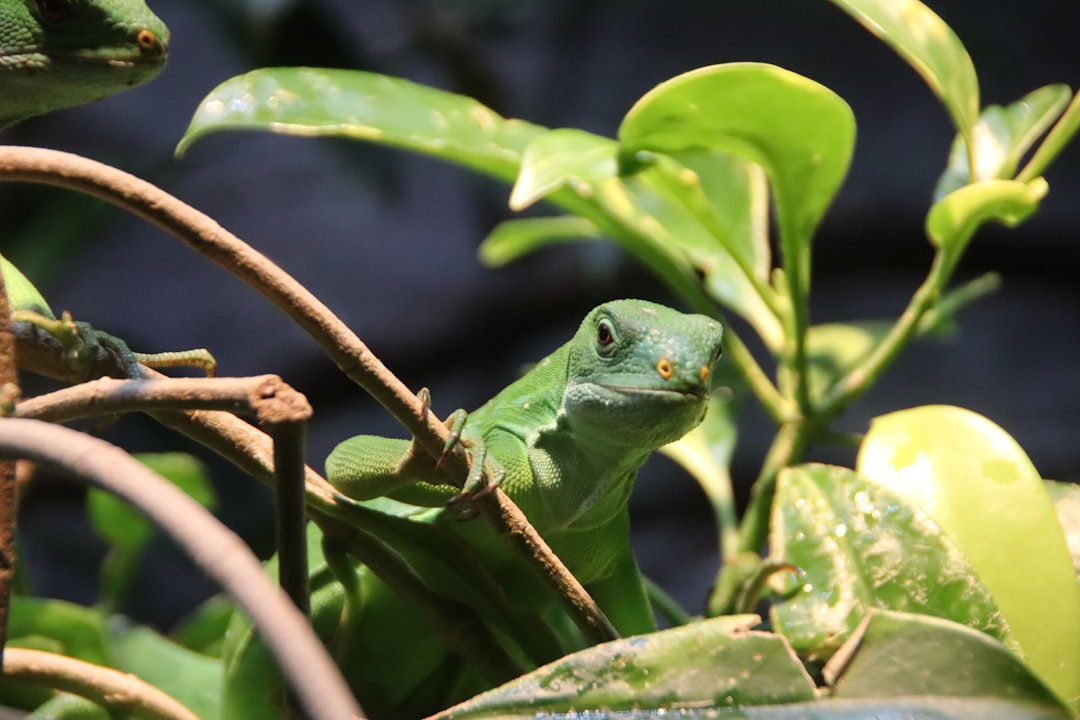
Herpetology is the branch of zoology that focuses on the study of reptiles and amphibians. This field encompasses a wide range of species, including snakes, lizards, turtles, frogs, and salamanders. Herpetologists, the scientists who specialize in this area, explore various aspects of these animals, such as their behavior, physiology, ecology, and evolution. The term “herpetology” comes from the Greek word “herpeton,” which means “creeping animal,” reflecting the movement patterns of many reptiles and amphibians.
The significance of herpetology extends beyond mere academic interest. Understanding these creatures is crucial for biodiversity conservation, as they play vital roles in ecosystems. For instance, many reptiles and amphibians serve as both predators and prey within their habitats, contributing to the balance of food webs. Additionally, herpetologists often engage in conservation efforts to protect endangered species and their habitats, making their work essential for maintaining ecological health.
The Difference Between Reptiles and Amphibians
While reptiles and amphibians share some similarities, they are distinct groups with unique characteristics. Reptiles are primarily characterized by their dry, scaly skin, which helps prevent water loss. They are ectothermic, meaning they rely on external sources to regulate their body temperature. Common examples include snakes, lizards, turtles, and crocodilians. Reptiles typically lay eggs with hard shells or give birth to live young, depending on the species.
In contrast, amphibians have moist skin that allows for gas exchange and is often permeable to water. This feature makes them more susceptible to environmental changes and pollution. Amphibians undergo a distinct life cycle that includes a larval stage, usually aquatic, followed by metamorphosis into an adult form. Frogs, toads, salamanders, and newts are all part of this group. The differences in skin type, reproductive strategies, and life cycles highlight the diverse adaptations these animals have developed to thrive in their respective environments.
Common Reptile Species
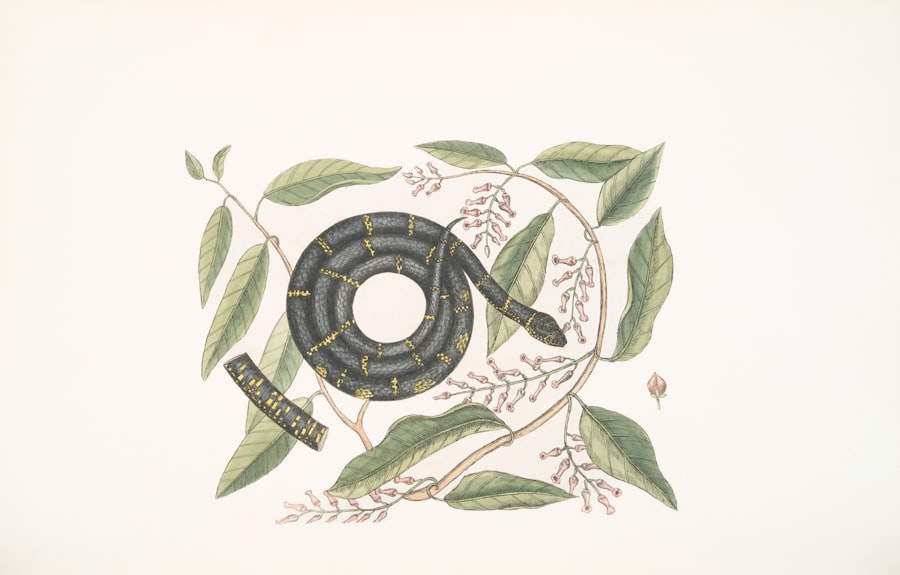
There are numerous reptile species found across the globe, each with its own unique traits and adaptations. One of the most well-known reptiles is the green iguana, native to Central and South America. These large lizards are primarily herbivorous and are recognized for their vibrant green coloration and long tails. They are often kept as pets but require specific care to thrive in captivity.
Another common reptile is the Eastern box turtle, which is found in North America. These turtles are known for their domed shells and can live for several decades. They are omnivorous and enjoy a varied diet that includes fruits, vegetables, and insects. Box turtles are unique in that they can retract their heads and limbs into their shells for protection.
Snakes also represent a significant portion of reptile diversity. The corn snake is a popular species among reptile enthusiasts due to its docile nature and striking coloration. Native to North America, corn snakes are non-venomous constrictors that primarily feed on rodents. Their adaptability to various habitats makes them a common sight in the wild.
Common Amphibian Species
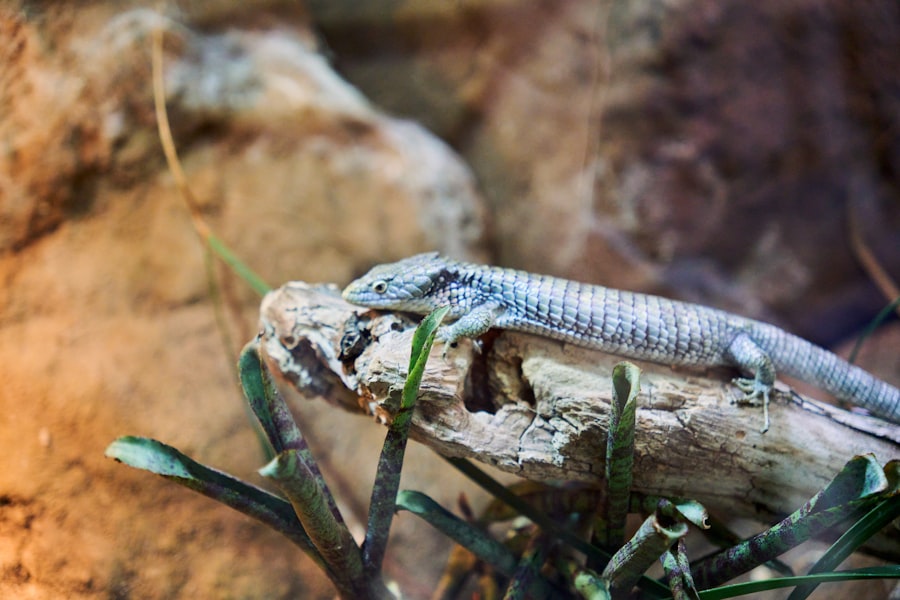
Amphibians also boast a wide variety of species that exhibit fascinating behaviors and adaptations. The American bullfrog is one of the most recognizable amphibians in North America. Known for its loud croaking calls during mating season, this large frog is an opportunistic feeder that consumes insects, small fish, and even other frogs.
Another notable amphibian is the red-eyed tree frog, famous for its vibrant green body and striking red eyes. Native to Central America, these frogs are arboreal and spend much of their lives in trees. Their bright coloration serves as a warning to potential predators about their toxicity.
Salamanders are another important group within the amphibian category. The Eastern red-backed salamander is a common species found in forests across eastern North America. These small salamanders exhibit a fascinating range of color patterns and are often found under logs or leaf litter. They play a crucial role in controlling insect populations in their habitats.
Habitat and Behavior
| Topic | Metrics |
|---|---|
| Number of Species | Over 8,000 species of reptiles and over 7,000 species of amphibians |
| Habitats | Study of reptiles and amphibians in various habitats such as forests, deserts, wetlands, and aquatic environments |
| Conservation | Focus on conservation efforts for endangered reptile and amphibian species |
| Research Methods | Field surveys, laboratory experiments, and genetic analysis |
| Importance | Understanding the ecological roles of reptiles and amphibians in ecosystems |
Reptiles and amphibians inhabit a wide range of environments, from deserts to rainforests to freshwater ecosystems. Reptiles tend to prefer warmer climates due to their ectothermic nature; they often bask in the sun to regulate their body temperature. Many reptiles are also highly territorial and exhibit complex social behaviors during mating seasons.
Amphibians, on the other hand, require moist environments for their survival due to their permeable skin. They are often found near water sources like ponds or streams during breeding seasons. Amphibians display a variety of behaviors related to reproduction, such as vocalizations by male frogs to attract females or elaborate courtship displays by salamanders.
Both groups exhibit fascinating adaptations to their environments. For instance, some reptiles have developed camouflage to blend into their surroundings, while others have evolved defensive mechanisms like venom or spines. Amphibians may use bright colors as a warning signal to deter predators or possess toxic secretions that make them unpalatable.
Diet and Feeding Habits
The dietary habits of reptiles and amphibians vary significantly based on their species and habitat. Most reptiles are carnivorous or omnivorous; they primarily consume insects, small mammals, or other reptiles. For example, many snakes rely on a diet of rodents or birds, using their keen sense of smell to locate prey.
Some reptiles have specialized feeding strategies. The chameleon is known for its unique method of capturing prey using its long, sticky tongue. This adaptation allows them to snatch insects from a distance quickly. Turtles can be herbivorous or carnivorous depending on the species; some feed on aquatic plants while others hunt for fish or crustaceans.
Amphibians generally have more varied diets during different life stages. Tadpoles are typically herbivorous or detritivorous, feeding on algae or decomposing organic matter in aquatic environments. As they metamorphose into adults, many frogs become carnivorous, preying on insects and small invertebrates. This shift in diet highlights the adaptability of amphibians as they transition from aquatic to terrestrial life.
Reproduction and Life Cycle
Reproductive strategies among reptiles and amphibians differ significantly due to their unique life cycles. Most reptiles reproduce through internal fertilization and lay eggs with hard shells that can withstand environmental conditions. Some species give birth to live young instead of laying eggs; this adaptation can be advantageous in colder climates where eggs might not survive.
Amphibians typically exhibit external fertilization during reproduction; females lay eggs in water while males fertilize them externally. This process results in large clusters of eggs that develop into aquatic larvae or tadpoles before undergoing metamorphosis into adult forms. The metamorphic process involves significant physiological changes as they transition from gills to lungs for breathing air.
The life cycle of amphibians is particularly fascinating due to its dual nature—spending part of their lives in water as larvae and part on land as adults. This unique adaptation allows them to exploit different ecological niches throughout their lives while also facing various challenges related to habitat changes.
Conservation and Threats
Both reptiles and amphibians face numerous threats that jeopardize their survival in the wild. Habitat loss due to urbanization, agriculture, and deforestation poses significant challenges for these animals as it reduces available living space and resources. Pollution from pesticides and chemicals can also have detrimental effects on amphibian populations due to their sensitive skin.
Climate change further exacerbates these issues by altering habitats and affecting breeding patterns. For instance, rising temperatures can lead to changes in moisture levels that impact amphibian reproduction cycles or cause shifts in reptile distributions as they seek suitable climates.
Conservation efforts are crucial for protecting these species from extinction. Organizations worldwide work towards habitat restoration, captive breeding programs, and public education initiatives aimed at raising awareness about the importance of reptiles and amphibians in ecosystems.
Herpetology Research and Careers
Herpetology offers diverse career opportunities for those interested in studying reptiles and amphibians. Many herpetologists work in academia or research institutions where they conduct field studies or laboratory experiments to better understand these animals’ biology and ecology.
Others may focus on conservation efforts by working with non-profit organizations or government agencies dedicated to protecting endangered species and their habitats. Fieldwork often involves monitoring populations, assessing habitat quality, or implementing conservation strategies based on research findings.
Additionally, some herpetologists engage in education outreach programs aimed at fostering appreciation for reptiles and amphibians among the public. This can involve giving presentations at schools or community events or developing educational materials that highlight the importance of these creatures in our ecosystems.
Herpetology in Popular Culture
Reptiles and amphibians have made significant appearances in popular culture over the years, often capturing public fascination due to their unique characteristics and behaviors. Movies like “Jurassic Park” have brought dinosaurs—ancient relatives of modern reptiles—into mainstream consciousness while showcasing the incredible diversity within this group.
Frogs have also found their way into popular culture through various media forms; characters like Kermit the Frog from “The Muppets” have become iconic figures representing amphibians in entertainment settings. Documentaries focusing on wildlife often highlight herpetological studies as well, showcasing the beauty and complexity of these creatures.
These representations can help raise awareness about conservation issues facing reptiles and amphibians while fostering interest among younger generations who may pursue careers in herpetology or wildlife conservation.
Getting Started in Herpetology
If you’re interested in exploring herpetology further, there are several ways to get started! First off, consider volunteering at local wildlife rehabilitation centers or zoos where you can gain hands-on experience working with reptiles and amphibians under professional guidance.
Joining local herpetological societies or clubs can also provide valuable networking opportunities with experienced herpetologists who can offer insights into the field’s various aspects—from research techniques to conservation efforts.
Reading books or scientific journals focused on herpetology will deepen your understanding of these animals’ biology while keeping you updated on current research trends within the field.
Lastly, consider pursuing formal education in biology or zoology with a focus on herpetology if you’re serious about making it a career path! Many universities offer specialized programs that can equip you with the knowledge needed for success in this fascinating field.
In conclusion, herpetology is a rich field that encompasses the study of diverse reptile and amphibian species while addressing critical conservation issues facing these animals today. Whether you’re drawn by curiosity about these creatures or a desire to protect them for future generations, there are countless ways to engage with this captivating area of study!
FAQs
What is herpetology?
Herpetology is the branch of zoology that deals with the study of amphibians and reptiles, including their behavior, ecology, physiology, and evolution.
What are some common examples of amphibians and reptiles?
Common examples of amphibians include frogs, toads, salamanders, and newts. Common examples of reptiles include snakes, lizards, turtles, and crocodiles.
What are some key differences between amphibians and reptiles?
One key difference is that amphibians typically have moist, permeable skin and lay eggs in water, while reptiles have dry, scaly skin and lay eggs on land. Additionally, amphibians generally undergo metamorphosis, while reptiles do not.
What are some important roles that amphibians and reptiles play in ecosystems?
Amphibians and reptiles play important roles in ecosystems as both predators and prey. They also contribute to nutrient cycling and help control insect populations.
How can someone get involved in herpetology as a career or hobby?
To get involved in herpetology, one can pursue a degree in biology or a related field, participate in field research or conservation efforts, join herpetological societies or clubs, and engage in activities such as wildlife photography or citizen science projects.