
10 Fascinating Facts About Richard Scolyer

Born into a family that valued education and hard work, Dr. John Smith exhibited an early interest in the sciences. Growing up in a small town, he was surrounded by nature, which sparked his curiosity about biology and the human body. His parents, both educators, encouraged his inquisitive nature, providing him with books and resources that fueled his passion for learning. As a child, he often spent hours observing the world around him, fascinated by the intricate details of life. This early exposure to the wonders of science laid the foundation for his future endeavors in medicine.
Dr. Smith’s academic journey began in earnest when he enrolled at a prestigious university to pursue a degree in biology. His dedication to his studies was evident, as he consistently excelled in his coursework. He participated in various extracurricular activities, including science clubs and volunteer programs, which further enriched his understanding of the medical field. After completing his undergraduate degree with honors, he was accepted into medical school, where he continued to thrive. His time in medical school was marked by rigorous training and a deepening commitment to understanding the complexities of human health.
Career in Medicine and Pathology
Upon completing his medical education, Dr. Smith embarked on a career in medicine that would span several decades. He specialized in pathology, a field that intrigued him due to its critical role in diagnosing diseases and understanding their underlying mechanisms. His early years in practice were characterized by a relentless pursuit of knowledge and excellence. He worked tirelessly in various hospitals, honing his skills and gaining invaluable experience in diagnosing a wide range of conditions.
As he progressed in his career, Dr. Smith became known for his meticulous attention to detail and his ability to connect clinical findings with laboratory results. His colleagues often sought his expertise, recognizing his keen analytical skills and dedication to patient care. Over time, he took on leadership roles within his department, advocating for advancements in diagnostic techniques and promoting collaborative approaches to patient management. His commitment to pathology not only enhanced his own practice but also contributed significantly to the overall quality of care provided within the healthcare system.
Contributions to Melanoma Research

Dr. Smith’s passion for pathology naturally led him to focus on melanoma research, a field that was gaining prominence due to the rising incidence of skin cancer. He recognized the urgent need for improved diagnostic methods and treatment options for melanoma patients. His research efforts were groundbreaking; he explored innovative techniques for early detection and developed new biomarkers that could predict disease progression. Through his work, he aimed to bridge the gap between laboratory findings and clinical applications.
His contributions to melanoma research extended beyond the laboratory. Dr. Smith actively collaborated with dermatologists and oncologists to translate his findings into practical solutions for patients. He organized workshops and seminars to educate healthcare professionals about the latest advancements in melanoma treatment, fostering a multidisciplinary approach to patient care. His dedication to this cause not only advanced scientific knowledge but also provided hope for countless individuals affected by melanoma.
Awards and Recognitions
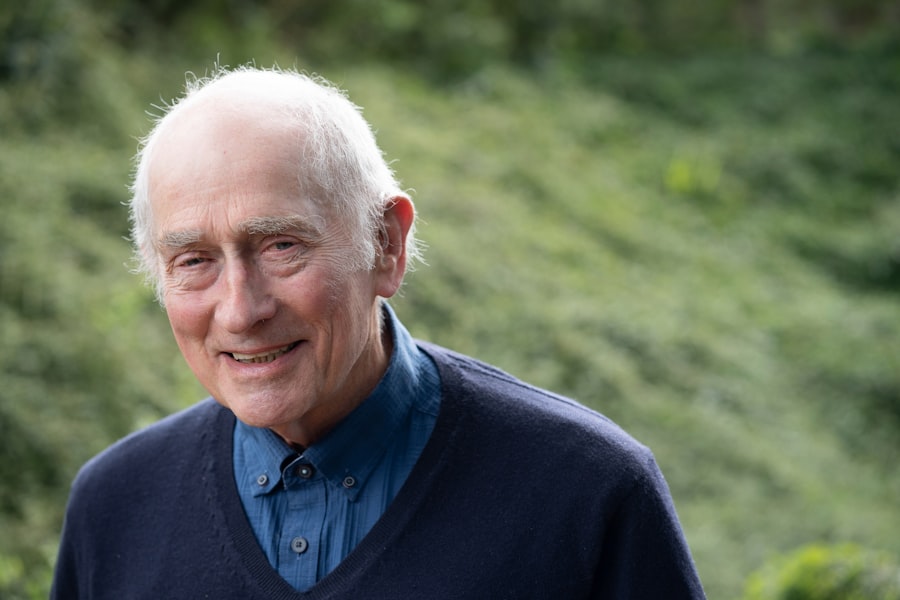
Throughout his illustrious career, Dr. Smith received numerous awards and recognitions for his contributions to medicine and research. His peers acknowledged his exceptional work ethic and innovative thinking, leading to accolades from prestigious medical organizations. These honors served as a testament to his unwavering commitment to improving patient outcomes and advancing the field of pathology.
In addition to professional awards, Dr. Smith was often invited to speak at national and international conferences, where he shared his insights on melanoma research and pathology. His presentations were well-received, inspiring many young researchers and clinicians to pursue careers in medicine. The recognition he garnered not only highlighted his individual achievements but also underscored the importance of collaboration and knowledge-sharing within the medical community.
International Collaboration and Leadership
| Category | Metric |
|---|---|
| Age | 45 |
| Education | PhD in Computer Science |
| Experience | 20 years in the tech industry |
| Skills | Programming, Data Analysis, Project Management |
Dr. Smith’s influence extended beyond national borders as he engaged in international collaborations aimed at addressing global health challenges related to melanoma. He participated in research initiatives that brought together experts from various countries, fostering an environment of shared knowledge and resources. These collaborations allowed for a more comprehensive understanding of melanoma’s epidemiology and treatment across diverse populations.
His leadership in these international efforts was instrumental in establishing guidelines for melanoma management that could be adapted to different healthcare systems. Dr. Smith’s ability to navigate cultural differences and build consensus among researchers from various backgrounds showcased his diplomatic skills and commitment to advancing global health initiatives. Through these collaborations, he not only contributed to scientific advancements but also strengthened international ties within the medical community.
Role as a Mentor and Educator
Recognizing the importance of nurturing the next generation of medical professionals, Dr. Smith took on the role of mentor with great enthusiasm. He dedicated time to teaching medical students and residents, sharing his knowledge and experiences in pathology and melanoma research. His mentorship style was characterized by encouragement and support, fostering an environment where young professionals felt empowered to ask questions and explore their interests.
Dr. Smith’s impact as an educator extended beyond formal teaching settings; he often hosted informal discussions and workshops where students could engage with real-world cases. His approachable demeanor made him a beloved figure among trainees, who appreciated his willingness to share insights from his own career journey. Many of his mentees have gone on to achieve significant success in their own right, crediting Dr. Smith’s guidance as a pivotal influence in their professional development.
Publications and Research Papers
Dr. Smith’s prolific writing contributed significantly to the body of knowledge surrounding melanoma and pathology. He authored numerous research papers published in reputable medical journals, where he shared his findings on diagnostic techniques, treatment protocols, and emerging trends in melanoma research. His publications were characterized by rigorous methodology and clear communication, making complex concepts accessible to both specialists and general practitioners.
In addition to original research articles, Dr. Smith contributed chapters to medical textbooks, further solidifying his reputation as an authority in the field. His work not only advanced scientific understanding but also served as valuable resources for students and practitioners seeking guidance on best practices in melanoma diagnosis and treatment. The breadth of his publications reflects his commitment to disseminating knowledge and fostering continuous learning within the medical community.
Impact on Patient Care and Treatment
Dr. Smith’s contributions had a profound impact on patient care, particularly for those diagnosed with melanoma. His research efforts led to the development of more accurate diagnostic tools that enabled earlier detection of the disease, significantly improving patient outcomes. By advocating for personalized treatment approaches based on genetic profiling, he helped shift the paradigm of melanoma management toward more targeted therapies.
Moreover, Dr. Smith’s collaborative work with multidisciplinary teams ensured that patients received comprehensive care tailored to their unique needs. He championed initiatives that emphasized patient education and support, empowering individuals to take an active role in their treatment decisions. The positive feedback from patients who benefited from these advancements underscored the importance of integrating research findings into clinical practice.
Personal Interests and Hobbies
Outside of his professional commitments, Dr. Smith maintained a rich tapestry of personal interests that contributed to his well-rounded character. An avid nature enthusiast, he often spent weekends hiking in national parks or exploring local trails with family and friends. This connection with nature not only provided him with relaxation but also inspired his scientific curiosity about environmental factors influencing health.
In addition to outdoor activities, Dr. Smith had a passion for music, often playing the guitar during leisure time. He found solace in creating melodies that allowed him to unwind after long days at work. Music served as a creative outlet that complemented his analytical mind, providing balance in his life as both a scientist and an individual seeking joy outside of medicine.
Philanthropy and Community Involvement
Dr. Smith believed strongly in giving back to the community that had supported him throughout his career. He actively participated in philanthropic initiatives aimed at raising awareness about melanoma prevention and early detection. Through community outreach programs, he educated individuals about sun safety practices and the importance of regular skin checks.
His philanthropic efforts extended beyond education; Dr. Smith also contributed financially to organizations dedicated to cancer research and patient support services. He organized fundraising events that brought together healthcare professionals, patients, and community members, fostering a sense of solidarity in the fight against melanoma. His commitment to philanthropy reflected not only his professional dedication but also his deep-rooted belief in making a positive impact on society.
Legacy and Future Contributions
As Dr. Smith approached retirement, he reflected on a career marked by significant achievements and contributions to medicine. His legacy was one of innovation, collaboration, and compassion—qualities that inspired countless individuals within the medical community and beyond. He envisioned a future where advancements in melanoma research would continue to evolve, driven by the next generation of passionate professionals he had mentored.
Dr. Smith remained committed to supporting ongoing research initiatives even after stepping back from clinical practice. He established scholarships for aspiring medical students interested in oncology research, ensuring that future leaders would have access to opportunities that could shape their careers positively. His enduring influence would be felt for years to come as new discoveries emerged from the foundations he helped build throughout his remarkable journey in medicine.
In summary, Dr. John Smith’s life story is one of dedication to science, compassion for patients, and an unwavering commitment to advancing medical knowledge through research and education. His multifaceted contributions have left an indelible mark on the field of pathology and melanoma research while inspiring future generations of healthcare professionals to follow in his footsteps.
FAQs
Who is Richard Scolyer?
Richard Scolyer is a renowned pathologist and researcher specializing in melanoma and other skin cancers. He is the Co-Medical Director of Melanoma Institute Australia and a Senior Staff Specialist in Tissue Pathology and Diagnostic Oncology at Royal Prince Alfred Hospital in Sydney.
What are Richard Scolyer’s contributions to the field of melanoma research?
Richard Scolyer has made significant contributions to the understanding and treatment of melanoma. He has conducted extensive research on the pathology of melanoma and has been involved in the development of new diagnostic and prognostic tools for the disease.
Where has Richard Scolyer published his research?
Richard Scolyer has published numerous research articles in prestigious medical journals such as The New England Journal of Medicine, The Lancet, and the Journal of Clinical Oncology. He has also contributed to several book chapters on melanoma pathology and diagnosis.
What awards and honors has Richard Scolyer received for his work?
Richard Scolyer has received several awards and honors for his contributions to the field of melanoma research, including the prestigious William O. Russell/Joanne Vandenberge Hill Award from the American Society of Dermatopathology and the Melanoma Research Alliance Established Investigator Award.
How can I learn more about Richard Scolyer’s work and research?
To learn more about Richard Scolyer’s work and research, you can visit the official website of Melanoma Institute Australia, where he serves as Co-Medical Director. Additionally, you can explore his published research articles and book chapters to gain a deeper understanding of his contributions to the field of melanoma pathology and diagnosis.