
5 Key Reasons Why Referendums Matter

Referendums serve as a pivotal mechanism in modern democracies, allowing citizens to directly influence significant political decisions. They are often employed to gauge public opinion on critical issues, ranging from constitutional amendments to social policies. The importance of referendums lies not only in their ability to reflect the will of the people but also in their role as a tool for enhancing democratic engagement. By providing a platform for direct participation, referendums empower citizens to voice their opinions on matters that affect their lives, thereby reinforcing the foundational principles of democracy.
In an era where political disillusionment is prevalent, referendums can act as a remedy for the disconnect between governments and their constituents. They offer a unique opportunity for citizens to engage with the political process, fostering a sense of ownership over the decisions that shape their society. As such, understanding the importance of referendums is crucial for appreciating their role in promoting democratic values and ensuring that the voices of the populace are heard in the corridors of power.
Democracy in Action: Giving a Voice to the People
At the heart of any democratic system lies the principle of representation, yet referendums take this concept a step further by allowing citizens to directly express their preferences on specific issues. This direct form of democracy enables individuals to participate actively in shaping policies that govern their lives. When citizens are given the opportunity to vote on critical matters, they feel a greater sense of agency and responsibility towards their community and nation. This engagement can lead to increased political awareness and activism, as individuals become more informed about the issues at stake.
Moreover, referendums can serve as a catalyst for broader public discourse. When a referendum is announced, it often sparks debates and discussions across various platforms, encouraging citizens to engage with differing viewpoints. This exchange of ideas not only enriches the democratic process but also fosters a culture of informed decision-making. By giving people a voice, referendums help to bridge the gap between government actions and public sentiment, ensuring that policies reflect the collective will of the populace.
Shaping National Identity: Referendums and National Unity
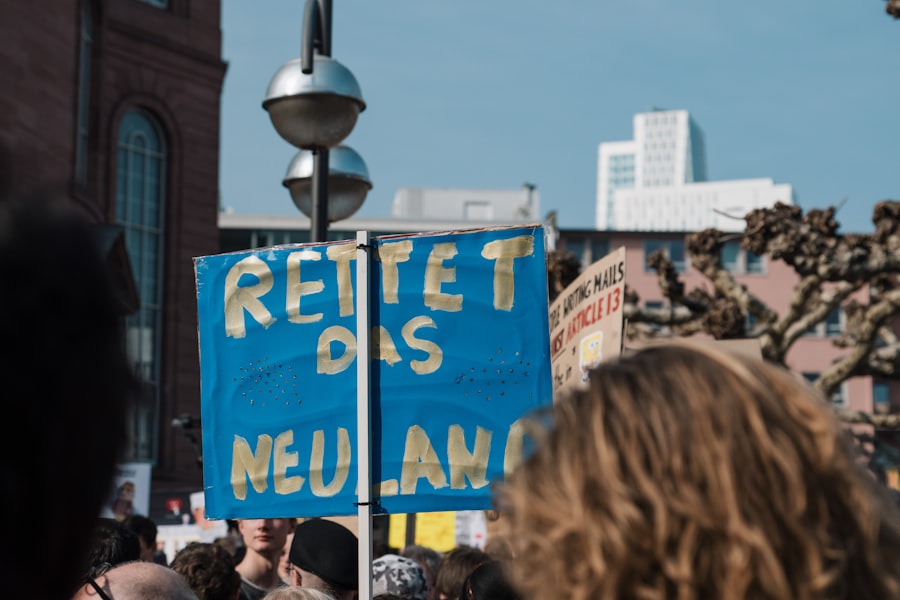
Referendums can play a significant role in shaping national identity, particularly in diverse societies where multiple cultural and ethnic groups coexist. By allowing citizens to vote on issues that resonate with their values and beliefs, referendums can foster a sense of belonging and unity among different segments of the population. For instance, referendums on independence or autonomy can serve as a means for marginalized groups to assert their identity and seek recognition within the broader national framework.
Additionally, referendums can act as a unifying force during times of division or conflict. When a nation faces contentious issues, such as constitutional reforms or social policies, a referendum can provide a structured way for citizens to express their opinions collectively. This process can help to mitigate tensions by offering a peaceful avenue for resolution, ultimately contributing to national cohesion. In this way, referendums not only reflect existing identities but also help to forge new ones, reinforcing the idea that national unity is built on mutual respect and understanding.
Holding Governments Accountable: Referendums as a Check on Power

One of the most significant functions of referendums is their ability to hold governments accountable for their actions. In representative democracies, elected officials may sometimes stray from the interests of their constituents, leading to disillusionment and mistrust among the populace. Referendums provide an essential mechanism for citizens to challenge government decisions and demand accountability. When voters are given the chance to weigh in on controversial policies or legislative changes, they can express their dissatisfaction or support directly.
This accountability aspect is particularly crucial in times of crisis or when governments face allegations of corruption or mismanagement. By calling for a referendum, citizens can assert their authority over elected officials and ensure that their voices are heard. This process not only reinforces democratic principles but also encourages transparency and responsiveness within government institutions. Ultimately, referendums serve as a vital check on power, reminding leaders that they are accountable to the people they represent.
Addressing Controversial Issues: Referendums and Social Change
| Country | Year | Outcome |
|---|---|---|
| United Kingdom | 2016 | Leave |
| Scotland | 2014 | No |
| Greece | 2015 | No |
Referendums often emerge as a response to contentious social issues that polarize public opinion. Topics such as marriage equality, immigration policies, and environmental regulations can evoke strong emotions and differing perspectives among citizens. In such cases, referendums provide a platform for addressing these controversial matters head-on, allowing voters to express their views in a structured manner. This direct approach can lead to significant social change by legitimizing the voices of those who may feel marginalized or unheard.
Furthermore, referendums can catalyze societal transformation by bringing attention to pressing issues that require urgent action. When citizens mobilize around a referendum campaign, it often leads to increased awareness and advocacy efforts surrounding the topic at hand. This heightened engagement can result in shifts in public opinion and policy changes that reflect the evolving values of society. By facilitating discussions on controversial issues, referendums contribute to a more dynamic and responsive democratic process.
Promoting Civic Engagement: Referendums and Citizen Participation
Civic engagement is essential for a healthy democracy, and referendums play a crucial role in promoting active participation among citizens. When individuals are invited to vote on significant issues, they are more likely to become involved in political discussions and community initiatives. This engagement fosters a sense of responsibility and encourages individuals to take an interest in the political landscape beyond just voting in elections.
Moreover, referendums can inspire grassroots movements and activism as citizens rally around specific causes or issues. The process of campaigning for or against a referendum often mobilizes communities, leading to increased collaboration and solidarity among individuals with shared interests. This collective action not only strengthens social bonds but also enhances democratic participation by empowering citizens to advocate for change within their communities.
Strengthening Legitimacy: Referendums and Political Decision-Making
The legitimacy of political decisions is paramount in any democratic society, and referendums contribute significantly to this legitimacy by involving citizens directly in the decision-making process. When voters are given the opportunity to express their opinions on critical issues through referendums, it enhances the perceived legitimacy of the outcomes. Citizens are more likely to accept and support decisions that they have had a direct hand in shaping.
Additionally, referendums can help mitigate feelings of disenfranchisement among voters who may feel disconnected from traditional political processes. By allowing individuals to participate directly in decision-making, referendums reinforce the idea that democracy is not merely about electing representatives but also about engaging citizens in meaningful ways. This strengthened legitimacy fosters trust in political institutions and encourages ongoing participation in democratic processes.
Fostering Debate and Discussion: Referendums and Public Discourse
Referendums inherently stimulate public debate and discussion around important issues, creating an environment where diverse perspectives can be shared and considered. The lead-up to a referendum often involves extensive campaigning from various interest groups, each presenting arguments for or against the proposed measure. This dynamic exchange of ideas encourages citizens to engage critically with the issues at hand and consider viewpoints that may differ from their own.
Moreover, referendums can serve as educational opportunities for the public. As citizens seek information about the implications of a referendum, they often become more informed about related topics and policies. This increased knowledge not only enhances individual understanding but also contributes to a more informed electorate overall. By fostering debate and discussion, referendums enrich public discourse and promote a culture of active citizenship.
Balancing Power: Referendums and the Distribution of Authority
In many democratic systems, power is distributed among various branches of government; however, referendums introduce an additional layer of authority by placing decision-making power directly in the hands of citizens. This distribution of authority can help balance power dynamics within society by ensuring that no single entity holds unchecked influence over critical decisions. When citizens are empowered to vote on significant issues through referendums, it reinforces the idea that ultimate authority resides with the people.
Furthermore, referendums can serve as a counterbalance to potential abuses of power by elected officials or political parties. In situations where governments may attempt to push through unpopular measures without adequate public support, referendums provide an avenue for citizens to assert their will. This mechanism not only protects democratic values but also encourages leaders to be more responsive to public sentiment.
Resolving Disputes: Referendums as a Mechanism for Conflict Resolution
Referendums can serve as effective tools for resolving disputes within societies marked by division or conflict. When contentious issues arise—such as territorial disputes or differing cultural values—referendums offer a structured means for addressing these challenges through democratic processes. By allowing citizens to vote on specific questions related to these disputes, referendums can facilitate peaceful resolutions that reflect the will of the people.
Additionally, referendums can help build consensus around contentious issues by providing an opportunity for dialogue and negotiation among different stakeholders. The process leading up to a referendum often involves discussions between various interest groups, fostering collaboration and understanding among parties with differing viewpoints. This collaborative approach can lead to more sustainable solutions that address underlying grievances while promoting social cohesion.
The Ongoing Relevance of Referendums in Modern Society
In conclusion, referendums remain an essential component of modern democratic societies, offering numerous benefits that enhance civic engagement, accountability, and public discourse. As mechanisms for direct participation, they empower citizens to shape policies that impact their lives while fostering national unity and identity. Furthermore, referendums serve as vital checks on governmental power, ensuring that elected officials remain responsive to the needs and desires of their constituents.
As societies continue to evolve and face new challenges, the relevance of referendums will likely persist as a means for addressing complex issues through democratic processes. By providing platforms for direct citizen engagement, referendums not only strengthen democratic values but also contribute to more inclusive and representative governance. In an age where political disillusionment is prevalent, embracing the potential of referendums may be key to revitalizing democracy and ensuring that every voice is heard in shaping the future of society.
FAQs
What is a referendum?
A referendum is a direct vote in which an entire electorate is invited to either accept or reject a particular proposal. This can include constitutional amendments, changes in laws, or other important decisions.
How does a referendum work?
In a referendum, eligible voters are presented with a question or a set of questions and are asked to vote either “yes” or “no”. The outcome of the referendum is determined by the majority of votes cast.
What is the purpose of a referendum?
The purpose of a referendum is to give the general public a direct say in important decisions that affect their lives. It allows for a more direct form of democracy and can be used to settle contentious issues.
What are the different types of referendums?
There are several types of referendums, including legislative referendums, constitutional referendums, and advisory referendums. Legislative referendums are used to approve or reject laws passed by the legislature, while constitutional referendums are used to approve or reject changes to the constitution. Advisory referendums are non-binding and are used to gauge public opinion on a particular issue.
What are some examples of famous referendums?
Some famous examples of referendums include the Brexit referendum in the United Kingdom, the 2015 Greek bailout referendum, and the 1980 and 1995 referendums on Quebec sovereignty in Canada. These referendums had significant impacts on the countries involved and garnered international attention.