
Top 5 Features of the Apple iPhone 17 Pro
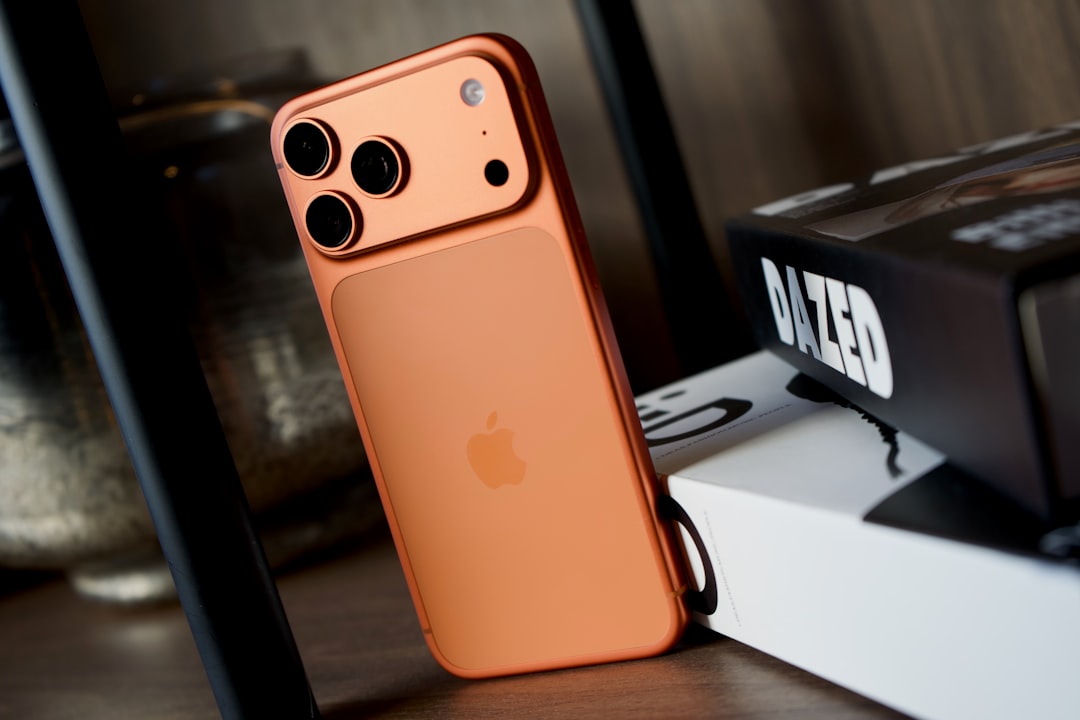
In the realm of mobile technology, the camera system has become a pivotal feature that influences consumer choices. The latest advancements in camera technology have transformed smartphones into powerful photography tools, capable of capturing stunning images in various conditions. With multiple lenses, including wide-angle, telephoto, and macro options, users can explore their creativity and capture moments with remarkable clarity and detail. The integration of artificial intelligence further enhances the photographic experience, allowing for features such as scene recognition and automatic adjustments to lighting and color balance.
Moreover, the introduction of advanced image stabilization techniques has significantly improved the quality of videos and photos taken in motion. Users can now shoot professional-grade videos without the need for bulky equipment. Night mode capabilities have also seen substantial improvements, enabling users to take vibrant photos even in low-light environments. This evolution in camera technology not only caters to photography enthusiasts but also empowers everyday users to document their lives with exceptional quality.
Enhanced Display Technology
The display technology in modern smartphones has reached new heights, offering users an immersive visual experience that was once reserved for high-end televisions. With the advent of OLED and AMOLED screens, colors appear more vibrant, blacks are deeper, and contrast ratios are significantly improved. This advancement allows for a more engaging viewing experience, whether one is watching videos, playing games, or simply scrolling through social media feeds. The high refresh rates available in many devices further enhance this experience by providing smoother animations and transitions.
Additionally, the introduction of adaptive brightness and blue light filtering technologies has made screens more comfortable to use in various lighting conditions. Users can enjoy their devices without straining their eyes, even during extended periods of use. The trend towards edge-to-edge displays has also contributed to a more modern aesthetic, maximizing screen real estate while minimizing bezels. This combination of technological advancements not only elevates the user experience but also sets a new standard for what consumers expect from their devices.
Extended Battery Life
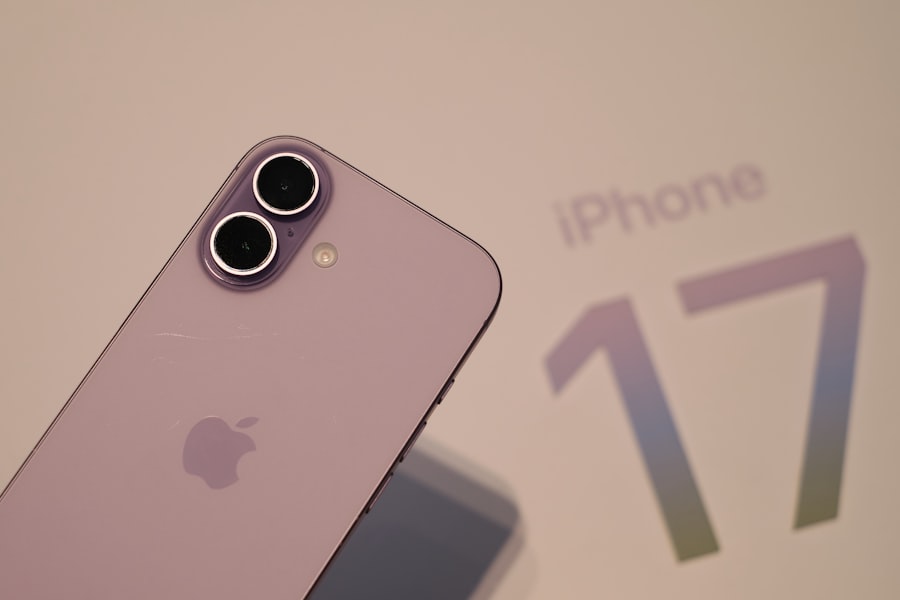
As smartphones have become integral to daily life, the demand for extended battery life has surged. Manufacturers have responded by developing more efficient battery technologies and optimizing power consumption through software enhancements. The latest smartphones boast batteries that can last well beyond a full day of typical use, allowing users to stay connected without the constant worry of finding a charging outlet. This is particularly beneficial for those who rely on their devices for work, entertainment, and communication throughout the day.
Moreover, fast charging capabilities have become a standard feature, enabling users to quickly recharge their devices when needed. Some models even support wireless charging, adding convenience to the user experience. The combination of long-lasting batteries and rapid charging solutions means that users can enjoy their devices without interruption, making it easier to navigate their busy lives. This focus on battery performance reflects a broader understanding of consumer needs and the importance of reliability in mobile technology.
Cutting-Edge Processor
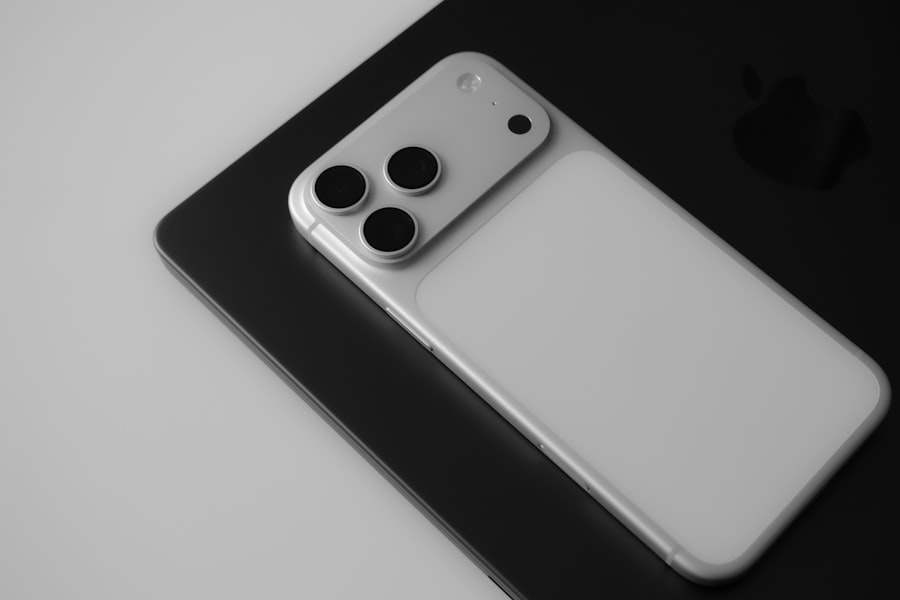
At the heart of every smartphone lies its processor, which plays a crucial role in determining overall performance. The latest cutting-edge processors are designed to handle demanding applications and multitasking with ease. With advancements in semiconductor technology, these processors offer increased speed and efficiency, allowing users to run multiple apps simultaneously without experiencing lag. This is particularly important for gamers and professionals who require high performance from their devices.
Furthermore, the integration of artificial intelligence capabilities within processors has opened up new possibilities for user experiences. From enhanced photography features to improved voice recognition and predictive text, AI-driven processors are revolutionizing how users interact with their devices. As software becomes increasingly sophisticated, having a powerful processor ensures that smartphones can keep pace with evolving demands, providing users with a seamless and responsive experience.
Innovative Biometric Security
| Feature | Specification |
|---|---|
| Display | 6.7 inches Super Retina XDR display |
| Camera | Triple 12MP Ultra Wide, Wide, and Telephoto cameras |
| Processor | A15 Bionic chip |
| Battery | Up to 75 hours audio playback |
| Storage | 128GB, 256GB, 512GB options |
In an age where data security is paramount, innovative biometric security features have emerged as a vital component of modern smartphones. Fingerprint scanners and facial recognition technology provide users with convenient yet secure methods to unlock their devices and access sensitive information. These biometric systems are designed to be fast and reliable, ensuring that users can quickly access their phones while maintaining a high level of security.
Additionally, advancements in biometric technology have led to more sophisticated systems that can adapt to changes in appearance or environmental conditions. For instance, some facial recognition systems can recognize users even when they are wearing glasses or hats. This adaptability enhances user convenience while ensuring that security remains uncompromised. As privacy concerns continue to grow, these innovative biometric solutions represent a significant step forward in protecting personal data.
5G Connectivity
The rollout of 5G connectivity has marked a transformative moment in mobile technology, offering unprecedented speeds and lower latency compared to previous generations. This advancement allows users to download large files in seconds, stream high-definition content without buffering, and engage in real-time gaming experiences with minimal lag. The implications of 5G extend beyond individual user experiences; it paves the way for innovations in various sectors, including healthcare, transportation, and smart cities.
Moreover, 5G connectivity enhances the capabilities of augmented reality (AR) and virtual reality (VR) applications by providing the necessary bandwidth for seamless experiences. Users can engage with immersive content that was previously limited by slower network speeds. As more devices become 5G-enabled, the potential for interconnected ecosystems grows, leading to smarter homes and more efficient urban environments. The advent of 5G represents not just an upgrade in connectivity but a fundamental shift in how technology integrates into everyday life.
Sleek and Durable Design
The design of modern smartphones has evolved significantly, with manufacturers prioritizing both aesthetics and durability. Sleek designs featuring premium materials such as glass and aluminum not only enhance the visual appeal but also contribute to a premium feel in hand. The trend towards minimalist design has led to devices that are not only visually striking but also comfortable to hold and use.
Durability has also become a key consideration in smartphone design. Many manufacturers now offer devices with water and dust resistance ratings, ensuring that they can withstand the rigors of daily life. Gorilla Glass or similar materials are often used to protect screens from scratches and impacts, providing users with peace of mind regarding their investment. This combination of sleek aesthetics and robust durability reflects a growing understanding of consumer preferences for both style and functionality.
Enhanced Augmented Reality Capabilities
As augmented reality (AR) continues to gain traction across various industries, smartphones are at the forefront of this technological revolution. Enhanced AR capabilities allow users to interact with digital content in ways that were previously unimaginable. With improved sensors and cameras, smartphones can accurately map environments and overlay digital information seamlessly onto the real world.
This advancement opens up new possibilities for applications ranging from gaming to education and retail. For instance, users can visualize how furniture would look in their homes before making a purchase or engage in interactive learning experiences that bring educational content to life. As AR technology continues to evolve, smartphones will play an increasingly central role in shaping how individuals interact with their surroundings.
Improved Audio Quality
Audio quality has become an essential aspect of the smartphone experience as consumers increasingly use their devices for music streaming, video watching, and gaming. Recent advancements in audio technology have led to improved sound quality through enhanced speakers and support for high-resolution audio formats. Users can enjoy richer soundscapes that elevate their entertainment experiences.
Additionally, noise-canceling features have become more prevalent in smartphones, allowing users to immerse themselves fully in their audio content without distractions from their surroundings. Whether listening to music on public transport or taking calls in noisy environments, these features enhance clarity and overall audio performance. As audio technology continues to advance, smartphones are becoming more than just communication devices; they are evolving into comprehensive entertainment hubs.
Advanced Privacy Features
In an era where data privacy is a growing concern for consumers worldwide, advanced privacy features have become a focal point for smartphone manufacturers. Enhanced encryption methods protect user data from unauthorized access while providing transparency regarding data collection practices. Users are increasingly aware of how their information is used and stored, prompting manufacturers to prioritize privacy as a key selling point.
Moreover, features such as app permissions management allow users greater control over what information they share with applications. This level of customization empowers individuals to make informed decisions about their privacy settings while using their devices. As privacy regulations evolve globally, smartphones equipped with advanced privacy features will likely gain favor among consumers seeking greater security in their digital lives.
Eco-Friendly Materials and Manufacturing
As environmental concerns continue to rise, many smartphone manufacturers are taking significant steps toward sustainability by incorporating eco-friendly materials into their products and adopting responsible manufacturing practices. The use of recycled materials not only reduces waste but also minimizes the carbon footprint associated with production processes. By prioritizing sustainability, manufacturers are appealing to environmentally conscious consumers who seek products that align with their values.
Additionally, initiatives aimed at reducing energy consumption during production and promoting recycling programs for old devices further demonstrate a commitment to environmental stewardship. As consumers become more aware of the impact of their purchasing decisions on the planet, eco-friendly practices will likely play an increasingly important role in shaping brand loyalty and consumer preferences within the smartphone market.
In conclusion, the evolution of smartphone technology encompasses a wide array of advancements that enhance user experience across multiple dimensions—from camera systems and display technologies to battery life and security features. As manufacturers continue to innovate and respond to consumer demands for performance, aesthetics, and sustainability, the future of smartphones promises even more exciting developments that will shape how individuals connect with technology in their daily lives.
FAQs
What are the key features of the Apple iPhone 17 Pro?
The Apple iPhone 17 Pro is equipped with a 6.7-inch Super Retina XDR display, A16 Bionic chip, triple-camera system with ultra-wide, wide, and telephoto lenses, 5G capability, and MagSafe technology for wireless charging.
What is the battery life of the Apple iPhone 17 Pro?
The Apple iPhone 17 Pro boasts an impressive battery life, with up to 75 hours of audio playback, up to 25 hours of talk time, and up to 15 hours of video playback.
What is the storage capacity of the Apple iPhone 17 Pro?
The Apple iPhone 17 Pro comes with various storage options, including 128GB, 256GB, and 512GB, allowing users to choose the capacity that best suits their needs.
Does the Apple iPhone 17 Pro support 5G connectivity?
Yes, the Apple iPhone 17 Pro is 5G capable, providing users with faster download and upload speeds, improved streaming quality, and a more responsive gaming experience.
What colors are available for the Apple iPhone 17 Pro?
The Apple iPhone 17 Pro is available in a range of stylish colors, including Silver, Graphite, Gold, and Sierra Blue, allowing users to choose a color that reflects their personal style.