
5 Latest iPhone Rumors You Need to Know
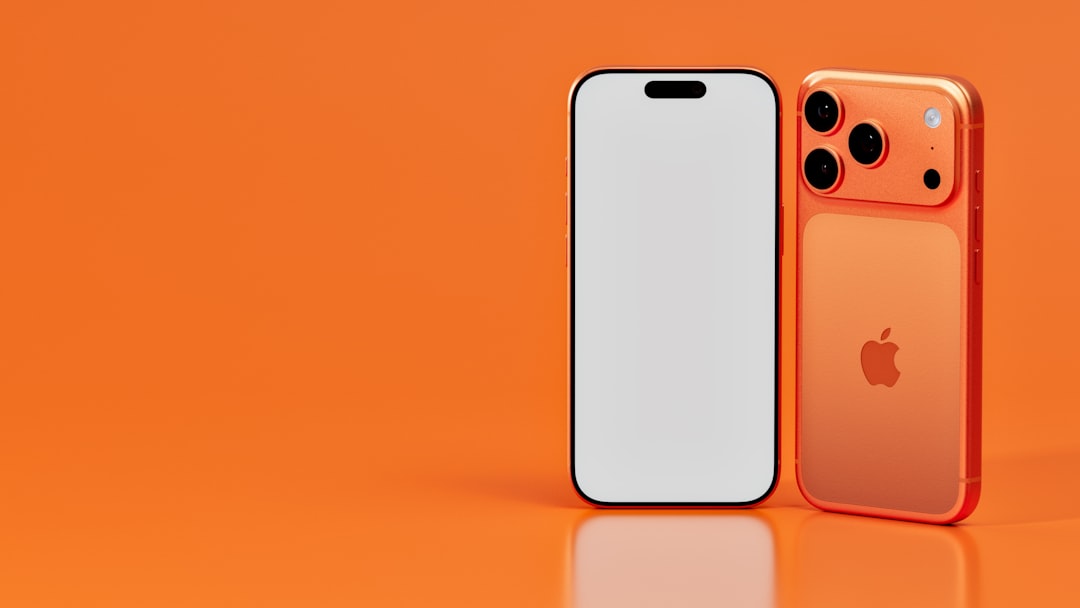
The iPhone 13 was officially unveiled by Apple on September 14, 2021, during a highly anticipated event that showcased the latest advancements in the company’s flagship smartphone line. This release marked a significant moment for Apple enthusiasts and tech aficionados alike, as it followed the iPhone 12 series, which had already set a high bar with its innovative features and design. Pre-orders for the iPhone 13 began on September 17, 2021, allowing eager customers to secure their devices ahead of the official launch date, which was set for September 24, 2021. This strategic timing positioned Apple to capitalize on the back-to-school shopping season, ensuring that the new models would be readily available for consumers looking to upgrade their devices.
The excitement surrounding the iPhone 13 release was palpable, with many fans eagerly anticipating the enhancements and new features that Apple promised. The event was streamed live, drawing millions of viewers who were keen to see what innovations the tech giant had in store. As the presentation unfolded, it became clear that Apple was not only focused on refining existing technologies but also on introducing new capabilities that would enhance user experience. The iPhone 13 series included several models—iPhone 13 mini, iPhone 13, iPhone 13 Pro, and iPhone 13 Pro Max—each designed to cater to different preferences and needs, further broadening Apple’s appeal in the competitive smartphone market.
New Camera Features
One of the standout aspects of the iPhone 13 was its impressive camera system, which received significant upgrades aimed at improving photography and videography experiences. The dual-camera setup on the iPhone 13 and iPhone 13 mini featured larger sensors that allowed for better low-light performance, enabling users to capture stunning images even in challenging lighting conditions. The introduction of sensor-shift optical image stabilization further enhanced image clarity by compensating for small movements during shooting. This technology, previously reserved for the Pro models, made its way into the standard versions, showcasing Apple’s commitment to providing high-quality photography tools across its lineup.
In addition to hardware improvements, Apple introduced several software enhancements that elevated the camera’s capabilities. The Photographic Styles feature allowed users to customize their image processing preferences, enabling them to apply their unique aesthetic to photos while maintaining natural skin tones. Furthermore, the Cinematic mode was a game-changer for videographers, allowing users to create videos with a shallow depth of field and automatic focus transitions. This feature brought a professional touch to mobile filmmaking, making it easier for users to produce visually stunning content without needing extensive editing skills or expensive equipment.
5G Network Compatibility
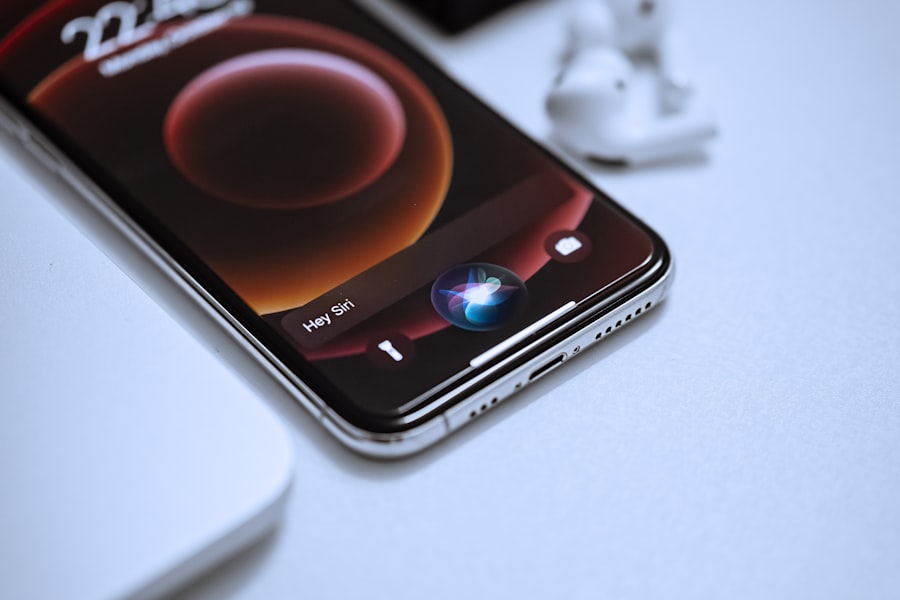
The iPhone 13 continued Apple’s commitment to embracing cutting-edge technology by offering robust 5G network compatibility across all models. Building on the groundwork laid by the iPhone 12 series, which was Apple’s first foray into 5G technology, the iPhone 13 aimed to enhance connectivity and speed for users around the globe. With support for both sub-6GHz and mmWave bands, the device promised faster download and upload speeds, lower latency, and improved overall performance in areas with strong 5G coverage. This advancement was particularly appealing to consumers who relied on their smartphones for streaming high-definition content, online gaming, and other data-intensive applications.
Moreover, Apple’s focus on optimizing battery life while utilizing 5G technology was evident in the iPhone 13’s design. The integration of advanced antenna technology and efficient power management systems ensured that users could enjoy the benefits of 5G without compromising battery performance. As more regions rolled out 5G infrastructure, the iPhone 13 positioned itself as a future-proof device capable of taking full advantage of this transformative technology. This commitment to connectivity not only enhanced user experience but also solidified Apple’s reputation as a leader in mobile innovation.
Battery Life Improvements
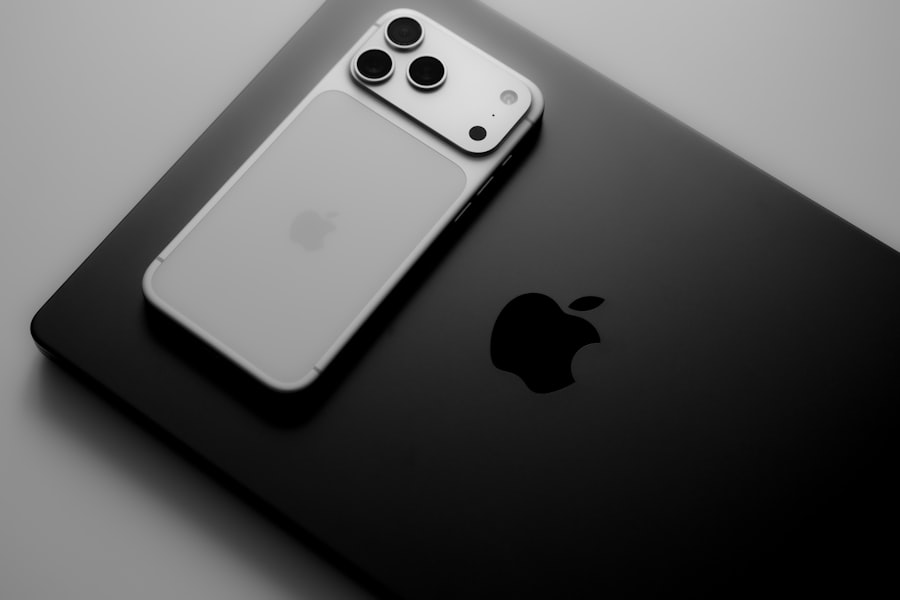
Battery life has always been a critical consideration for smartphone users, and Apple recognized this need with the iPhone 13 series. The company made significant strides in enhancing battery performance across all models, ensuring that users could enjoy longer usage times without frequent recharging. The iPhone 13 mini boasted up to 1.5 hours more battery life than its predecessor, while the standard iPhone 13 offered an impressive increase of up to 2.5 hours. For those opting for the Pro models, users could expect even greater longevity, with the iPhone 13 Pro Max leading the charge with up to 28 hours of talk time.
These improvements were achieved through a combination of hardware and software optimizations. The A15 Bionic chip played a crucial role in enhancing energy efficiency while delivering powerful performance. Additionally, Apple’s focus on optimizing background processes and screen-on time contributed to extending battery life without sacrificing functionality. Users could now engage in their daily activities—whether browsing social media, streaming videos, or playing games—without constantly worrying about their device running out of power.
Design Changes
| Rumor | Source | Likelihood |
|---|---|---|
| 5G support | Various tech websites | High |
| Improved camera | Apple insiders | Medium |
| ProMotion display | Industry analysts | Low |
The design of the iPhone 13 series reflected a blend of familiarity and innovation, maintaining the sleek aesthetic that Apple is known for while introducing subtle yet impactful changes. The most noticeable alteration was the repositioning of the rear camera lenses; they were arranged diagonally rather than vertically as seen in previous models. This design choice not only provided a fresh look but also allowed for improved camera performance by accommodating larger sensors and better optical capabilities.
In addition to camera adjustments, Apple introduced new color options that appealed to a wide range of tastes. The iPhone 13 and iPhone 13 mini were available in vibrant hues such as pink, blue, midnight, starlight, and product red, while the Pro models featured more sophisticated finishes like graphite, gold, silver, and sierra blue. These color choices allowed users to express their individuality while enjoying a premium device that felt both modern and timeless. The overall design philosophy emphasized durability as well; with Ceramic Shield front cover technology and an IP68 water resistance rating, users could feel confident that their devices would withstand everyday wear and tear.
iOS 15 Updates
The launch of the iPhone 13 coincided with the release of iOS 15, which brought a host of new features and enhancements designed to improve user experience across Apple’s ecosystem. One of the most notable updates was Focus mode, which allowed users to customize notifications based on their current activities—be it work, personal time, or sleep—ensuring that distractions were minimized during critical moments. This feature resonated with many users seeking better work-life balance in an increasingly connected world.
Additionally, FaceTime received significant upgrades that enhanced video calling experiences. Spatial audio created a more immersive environment by making voices sound as though they were coming from the direction of the person speaking on-screen. SharePlay enabled users to share content during calls seamlessly—whether watching movies or listening to music together—fostering a sense of connection even when physically apart. These updates not only showcased Apple’s commitment to enhancing communication but also highlighted its focus on creating a cohesive ecosystem that catered to users’ evolving needs.
Processor Upgrades
At the heart of the iPhone 13 series lies the A15 Bionic chip, which represented a significant leap forward in processing power and efficiency compared to its predecessor. Built using a cutting-edge 5-nanometer process technology, this chip featured a six-core CPU with two high-performance cores and four efficiency cores designed to handle demanding tasks while conserving battery life. This architecture allowed for seamless multitasking and improved performance in graphics-intensive applications such as gaming and augmented reality experiences.
The A15 Bionic also included a new four-core GPU that delivered up to 30% faster graphics performance than competing smartphones at the time. This enhancement made it possible for users to enjoy visually stunning games and applications without experiencing lag or slowdowns. Furthermore, machine learning capabilities were significantly improved with a new 16-core Neural Engine capable of executing up to 15.8 trillion operations per second. This advancement enabled features like real-time photo processing and enhanced computational photography capabilities, solidifying the iPhone 13’s position as a powerhouse in mobile technology.
Pricing and Models
Apple’s pricing strategy for the iPhone 13 series reflected its commitment to offering options for various consumer needs while maintaining premium quality across all models. The base model—the iPhone 13 mini—started at an accessible price point, making it an attractive choice for those seeking a compact device without compromising on features. The standard iPhone 13 followed closely behind in terms of pricing but offered additional benefits such as larger display size and enhanced battery life.
For consumers looking for advanced features and capabilities, the Pro models came at a higher price point but justified their cost through superior camera systems, display technology with ProMotion support for smoother scrolling at up to 120Hz refresh rates, and additional storage options. This tiered pricing structure allowed Apple to cater to a diverse audience while ensuring that each model delivered exceptional value relative to its cost. As consumers weighed their options based on budget and desired features, Apple successfully positioned itself as a brand that could meet varying demands within the competitive smartphone landscape.
Touch ID Integration
While Face ID had become synonymous with Apple’s approach to biometric security in recent years, many users expressed a desire for the return of Touch ID functionality in future devices. Although the iPhone 13 series primarily relied on Face ID for unlocking devices and authorizing transactions, there were whispers about potential Touch ID integration beneath the display in future iterations of Apple’s smartphones. This speculation fueled discussions among tech enthusiasts who appreciated the convenience of fingerprint recognition alongside facial recognition technology.
The potential reintroduction of Touch ID would provide users with an additional layer of security while accommodating different user preferences in various situations—such as wearing masks or when Face ID might not be practical. As Apple continued to innovate in biometric security measures, it became clear that user feedback played an essential role in shaping future designs and features within their product lineup.
AR and VR Capabilities
The iPhone 13 series also showcased Apple’s commitment to augmented reality (AR) and virtual reality (VR) technologies through enhanced hardware capabilities and software support. With advancements in processing power provided by the A15 Bionic chip and improved camera systems designed for depth sensing and spatial awareness, developers were empowered to create more immersive AR experiences than ever before. This focus on AR positioned Apple as a leader in this emerging field as it sought to integrate digital content seamlessly into users’ everyday lives.
Apple’s ARKit framework continued to evolve alongside these hardware improvements, enabling developers to build applications that leveraged AR capabilities effectively. From gaming experiences that blended virtual elements with real-world environments to educational tools that provided interactive learning opportunities, the potential applications for AR on the iPhone 13 were vast and varied. As consumers increasingly embraced these technologies, Apple remained at the forefront of innovation within this exciting domain.
Apple’s Environmental Initiatives
In addition to technological advancements within its products, Apple maintained a strong commitment to environmental sustainability throughout its operations—including the development of the iPhone 13 series. The company aimed to minimize its carbon footprint by utilizing recycled materials in its devices; for instance, rare earth elements used in magnets were sourced from recycled sources whenever possible. This initiative not only reduced reliance on mining but also demonstrated Apple’s dedication to responsible sourcing practices.
Furthermore, Apple continued its efforts toward achieving carbon neutrality across its entire supply chain by 2030—a goal that encompassed manufacturing processes as well as product lifecycle management. By investing in renewable energy projects and promoting sustainable practices among suppliers, Apple sought to lead by example within the tech industry while encouraging other companies to adopt similar initiatives. As consumers became increasingly aware of environmental issues, Apple’s proactive approach resonated with those who valued sustainability alongside technological innovation in their purchasing decisions.
In conclusion, the iPhone 13 series represented a significant step forward for Apple in terms of technology and user experience while maintaining its commitment to sustainability and innovation. With enhancements across various aspects—from camera capabilities and battery life improvements to robust processing power—the iPhone 13 catered to diverse consumer needs while setting new standards within the smartphone market.
FAQs
What are the latest rumors about the upcoming iPhone?
There are rumors suggesting that the next iPhone will have a smaller notch, improved battery life, and a faster processor. There are also speculations about the possibility of a 120Hz ProMotion display and an in-display fingerprint sensor.
Is there any information about the release date of the new iPhone?
There is no official release date for the new iPhone yet. However, based on previous release patterns, it is expected to be announced in September 2022.
Are there any rumors about the design of the new iPhone?
Rumors suggest that the new iPhone may have a similar design to the iPhone 12, with flat edges and a glass back. There are also speculations about new color options and potentially a smaller overall size.
What about the camera features of the new iPhone?
There are rumors about improved camera features, including enhanced low-light performance, improved optical zoom, and potentially a new astrophotography mode. There are also speculations about the inclusion of a LiDAR scanner in all models.
Are there any rumors about the pricing of the new iPhone?
There is no confirmed information about the pricing of the new iPhone. However, it is expected that the pricing will be in line with previous iPhone models, with potential variations based on the model and storage capacity.