
Top 5 Reasons Why the Steam Deck Will Change Gaming
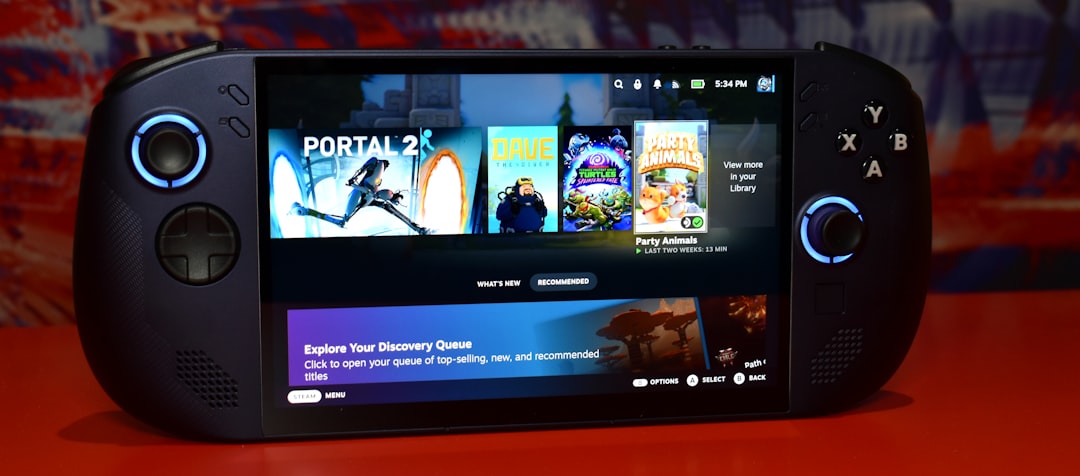
The gaming industry has witnessed a remarkable transformation over the past few years, with the rise of portable gaming devices leading the charge. This revolution has been fueled by advancements in technology, allowing gamers to enjoy high-quality experiences on the go. The introduction of powerful handheld consoles and gaming laptops has made it possible for players to engage in immersive gameplay without being tethered to a traditional gaming setup. As a result, the concept of gaming has evolved from a stationary pastime to a dynamic activity that can be enjoyed anywhere, whether on a commute, during travel, or simply lounging at home.
This shift towards portability has not only changed how games are played but also how they are developed and marketed. Developers are now focusing on creating titles that cater to the mobile experience, ensuring that gameplay is optimized for smaller screens and touch controls. The demand for portable gaming has led to an influx of innovative devices that combine the power of traditional gaming systems with the convenience of mobility. As a result, the landscape of gaming is rapidly changing, with players embracing the freedom that comes with being able to game anytime and anywhere.
PC Gaming On the Go
The advent of portable gaming has brought PC gaming into the realm of mobility, allowing enthusiasts to take their favorite titles with them wherever they go. High-performance laptops and handheld devices equipped with powerful processors and graphics cards have made it possible for gamers to enjoy a seamless experience akin to that of a desktop setup. This shift has opened up new avenues for gamers who previously felt constrained by their home setups, enabling them to engage in competitive play or explore vast virtual worlds while on the move.
Moreover, the ability to play PC games on portable devices has led to a surge in interest among casual gamers who may not have previously considered themselves part of the PC gaming community. With user-friendly interfaces and streamlined controls, these devices have made it easier for newcomers to dive into the world of PC gaming without the steep learning curve often associated with traditional setups. As a result, the portable PC gaming market is expanding rapidly, attracting a diverse audience eager to experience the thrill of gaming without being confined to a single location.
Access to the Entire Steam Library
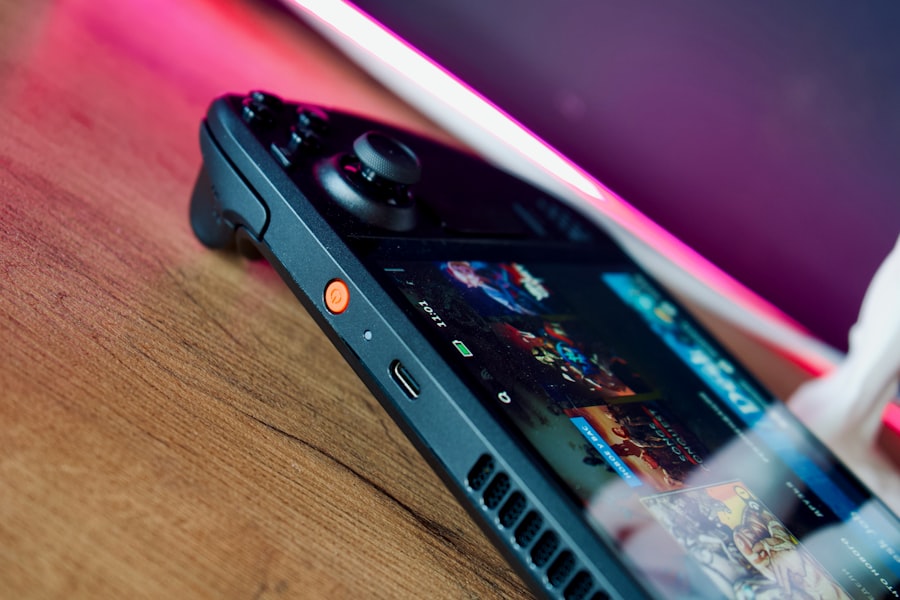
One of the most significant advantages of portable gaming is the ability to access vast libraries of games, particularly through platforms like Steam. Gamers can now carry their entire collection in their pockets, allowing them to play their favorite titles without needing to be at their desktop computers. This accessibility has transformed how players interact with their games, enabling them to switch between titles effortlessly and explore new genres without the need for extensive downloads or installations.
The integration of cloud saves and cross-platform play further enhances this experience, allowing players to pick up where they left off regardless of the device they are using. This seamless transition between devices not only enriches the gaming experience but also fosters a sense of community among players who can share their experiences and achievements across platforms. As more gamers embrace this level of accessibility, developers are likely to continue optimizing their titles for portable play, ensuring that the quality of gameplay remains high regardless of where it is experienced.
Versatility in Gaming Experience
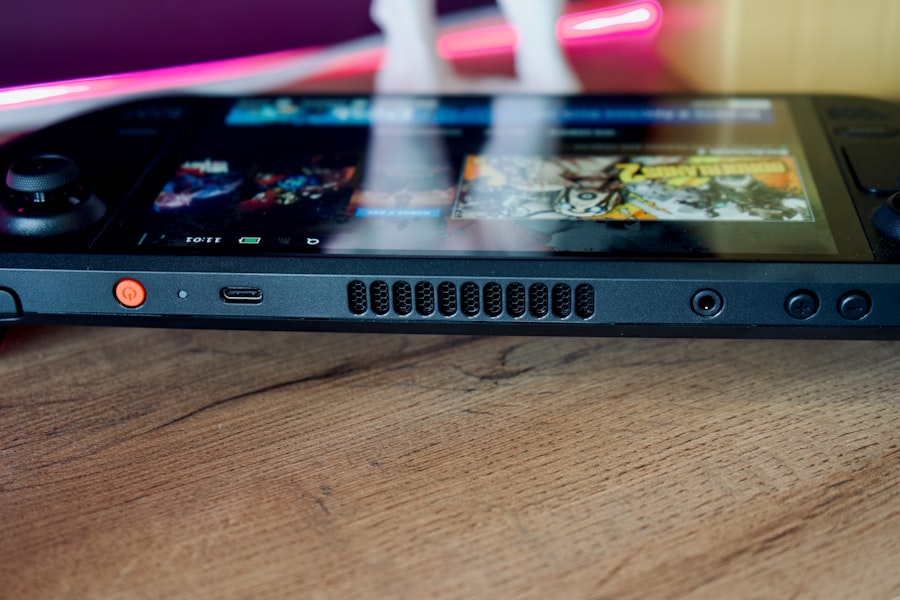
Portable gaming devices offer unparalleled versatility, catering to a wide range of gaming preferences and styles. Whether one prefers casual mobile games or immersive AAA titles, there is something for everyone in the portable gaming landscape. This diversity allows players to tailor their gaming experiences based on their moods and environments, whether they are seeking a quick session during a lunch break or an extended adventure during a long journey.
Additionally, many portable devices support various input methods, including touchscreens, controllers, and keyboard-and-mouse setups. This adaptability enables gamers to choose how they want to interact with their games, enhancing comfort and enjoyment. As developers continue to innovate and create games that leverage these versatile controls, players can expect an increasingly rich and engaging gaming experience that transcends traditional boundaries.
Competitive Pricing and Performance
| Aspect | Metrics |
|---|---|
| Screen Size | 7 inches |
| Resolution | 1280 x 800 pixels |
| Storage Options | 64GB, 256GB, 512GB |
| RAM | 16GB LPDDR5 RAM |
| Processor | AMD Zen 2 |
| Graphics | AMD RDNA 2 architecture |
| Battery Life | Up to 8 hours |
| Operating System | SteamOS 3.0 |
As the demand for portable gaming devices grows, manufacturers are responding by offering competitive pricing without sacrificing performance. This trend has made high-quality gaming more accessible than ever before, allowing gamers from various backgrounds to invest in portable systems that deliver impressive graphics and processing power. The emergence of budget-friendly options alongside premium devices ensures that there is something for every gamer, regardless of their financial situation.
Moreover, advancements in technology have led to significant improvements in battery life and cooling systems, enabling portable devices to maintain high performance during extended gaming sessions. This combination of affordability and capability has made portable gaming an attractive option for both casual players and hardcore enthusiasts alike. As competition among manufacturers intensifies, consumers can expect even more innovative features and enhancements in future devices.
Potential Impact on Console Sales
The rise of portable gaming is poised to have a profound impact on traditional console sales. As more gamers opt for handheld devices that offer similar performance and game libraries as consoles, manufacturers may need to reevaluate their strategies to remain competitive in an evolving market. The convenience and flexibility offered by portable systems could lead to a decline in console sales as players prioritize mobility over stationary setups.
However, this shift does not necessarily spell doom for consoles; rather, it may encourage manufacturers to innovate further and create hybrid systems that combine the best aspects of both worlds. By integrating portability into console design or enhancing online capabilities for remote play, companies can cater to the changing preferences of gamers while still maintaining a strong foothold in the market. Ultimately, the interplay between portable gaming and console sales will shape the future landscape of the industry.
Enhanced Indie Game Development
The portable gaming revolution has also provided a significant boost to indie game development. With lower barriers to entry and increased accessibility through platforms like Steam and mobile app stores, independent developers can reach wider audiences than ever before. The ability to create games specifically designed for portable play allows these creators to experiment with unique concepts and gameplay mechanics that may not have been feasible in traditional formats.
Furthermore, the success of indie titles on portable platforms has encouraged more developers to explore this avenue, leading to a diverse array of innovative games that cater to various tastes and preferences. As players seek fresh experiences beyond mainstream offerings, indie developers are well-positioned to fill this niche by delivering creative and engaging content that resonates with audiences looking for something different.
Increased Demand for Cloud Gaming Services
As portable gaming continues to gain traction, there is an increasing demand for cloud gaming services that allow players to stream games directly to their devices without requiring extensive downloads or installations. This model offers several advantages, including reduced storage requirements and instant access to a vast library of titles. Players can enjoy high-quality graphics and performance without being limited by their device’s hardware capabilities.
Cloud gaming services also enable cross-platform play, allowing users to switch between devices seamlessly while maintaining their progress. This flexibility is particularly appealing for gamers who want to enjoy their favorite titles on multiple platforms without being tied down by hardware limitations. As cloud technology continues to advance, it is likely that more gamers will embrace this model as a viable alternative to traditional gaming setups.
Potential for New Game Design and Innovation
The rise of portable gaming has opened up exciting possibilities for new game design and innovation. Developers are now challenged to create experiences that leverage the unique capabilities of handheld devices, such as touchscreens and motion sensors. This shift encourages creativity and experimentation as designers explore new ways to engage players through interactive gameplay mechanics that take advantage of portability.
Additionally, the social aspect of portable gaming cannot be overlooked. Many devices facilitate multiplayer experiences that allow friends to connect and compete regardless of their physical location. This emphasis on social interaction can lead to innovative game designs that prioritize cooperative or competitive play among friends, further enriching the overall gaming experience.
Changing the Landscape of Esports
The emergence of portable gaming is also influencing the landscape of esports. While traditional competitive gaming has primarily focused on PC and console platforms, the rise of handheld devices presents new opportunities for tournaments and competitions tailored specifically for mobile play. This shift could attract a broader audience as more players engage with esports through accessible platforms that allow them to participate from anywhere.
Moreover, as mobile esports gain traction, developers may begin designing games specifically for competitive play on portable devices. This could lead to an influx of new titles that cater to both casual gamers and serious competitors alike, further diversifying the esports ecosystem. The potential for growth in this area is immense, as more players discover the excitement of competitive gaming through portable platforms.
Influence on Hardware and Peripheral Development
The growth of portable gaming is driving innovation in hardware and peripheral development as manufacturers seek to enhance user experiences across various devices. From ergonomic controllers designed specifically for handheld use to advanced cooling solutions that maintain performance during extended sessions, there is a growing focus on creating accessories that complement portable systems.
Additionally, advancements in display technology are making it possible for portable devices to deliver stunning visuals comparable to traditional setups. As manufacturers continue to push the boundaries of what is possible in terms of performance and design, gamers can expect an ever-evolving landscape of hardware options tailored specifically for portable play. This ongoing innovation will undoubtedly shape the future of gaming as players seek out new ways to enhance their experiences on the go.
In conclusion, the portable gaming revolution is reshaping the landscape of the industry in profound ways. From increased accessibility and versatility in gameplay experiences to enhanced opportunities for indie developers and cloud services, this shift is influencing every aspect of how games are created, played, and enjoyed. As technology continues to advance and consumer preferences evolve, it is clear that portable gaming will remain at the forefront of innovation within the gaming world for years to come.
FAQs
What is the Steam Deck?
The Steam Deck is a handheld gaming device developed by Valve Corporation, designed to run PC games through the Steam platform.
What are the key features of the Steam Deck?
The Steam Deck features a custom AMD APU, a 7-inch touchscreen display, a built-in controller, and the ability to connect to external displays and peripherals.
What games can be played on the Steam Deck?
The Steam Deck is designed to run the entire Steam library, including both native Linux games and Windows games through the Proton compatibility layer.
When will the Steam Deck be released?
The Steam Deck is set to be released in December 2021, with pre-orders starting in July 2021.
What is the price of the Steam Deck?
The Steam Deck comes in three different models, with prices starting at $399 for the base model and going up to $649 for the top-end model with increased storage and anti-glare etched glass.