
5 Latest Artificial Intelligence Breakthroughs
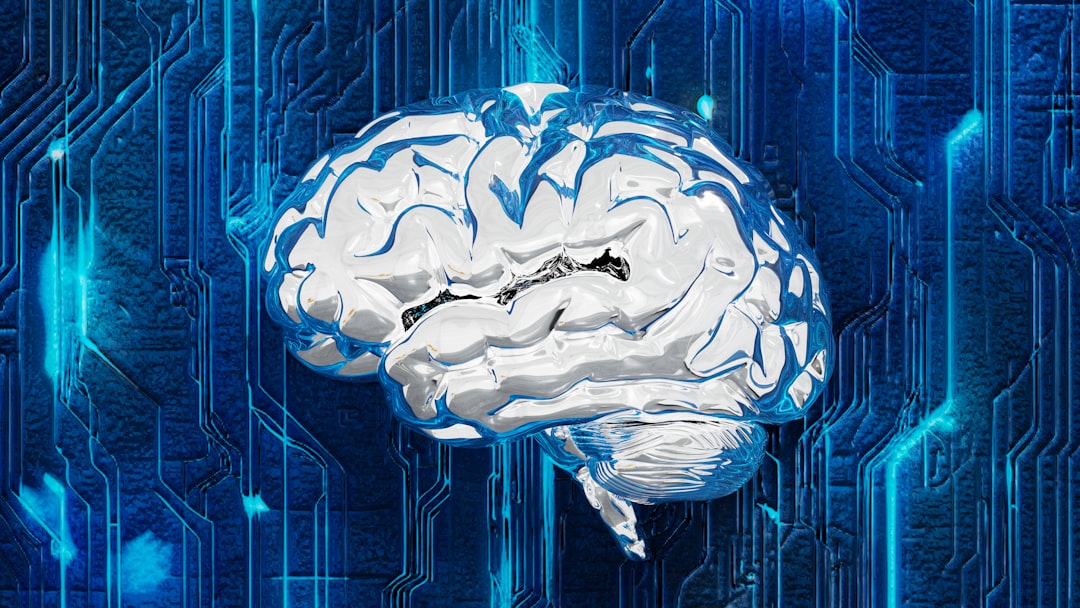
Artificial Intelligence (AI) has emerged as one of the most transformative technologies of the 21st century, reshaping industries and redefining human interaction with machines. The rapid advancements in AI have led to breakthroughs that were once confined to the realm of science fiction. From enhancing everyday tasks to revolutionizing complex systems, AI’s capabilities are expanding at an unprecedented pace. As researchers and developers continue to push the boundaries of what is possible, the implications of these breakthroughs are profound, affecting everything from personal convenience to global challenges.
The journey of AI has been marked by significant milestones, including the development of machine learning algorithms, neural networks, and deep learning techniques. These innovations have enabled machines to learn from vast amounts of data, recognize patterns, and make decisions with remarkable accuracy. As AI continues to evolve, it is essential to explore the various domains where these breakthroughs are making a substantial impact, paving the way for a future where intelligent systems play an integral role in society.
Natural Language Processing Advancements
Natural Language Processing (NLP) has witnessed extraordinary advancements in recent years, enabling machines to understand and generate human language with increasing sophistication. The development of transformer models, such as OpenAI’s GPT series and Google’s BERT, has revolutionized the field by allowing for context-aware language understanding. These models can analyze text not just at a surface level but also grasp nuances, idioms, and even emotional undertones, making interactions with AI more natural and intuitive.
Moreover, NLP applications have expanded beyond simple chatbots to encompass a wide range of functionalities. From real-time translation services that bridge language barriers to sentiment analysis tools that gauge public opinion on social media, the versatility of NLP is evident. Businesses are leveraging these advancements to enhance customer service, streamline operations, and gain insights from unstructured data. As NLP technology continues to mature, it holds the potential to transform communication across cultures and industries, fostering greater understanding and collaboration.
Computer Vision Innovations

Computer vision has emerged as a critical area of AI research, enabling machines to interpret and understand visual information from the world around them. Recent innovations in this field have led to significant improvements in image recognition, object detection, and scene understanding. Deep learning techniques, particularly convolutional neural networks (CNNs), have played a pivotal role in enhancing the accuracy and efficiency of computer vision systems. These advancements have found applications in various sectors, including healthcare, automotive, and security.
In healthcare, for instance, computer vision algorithms are being utilized to analyze medical images, assisting radiologists in diagnosing conditions such as tumors or fractures with remarkable precision. In the automotive industry, computer vision is at the heart of autonomous vehicle technology, enabling cars to navigate complex environments safely. Furthermore, security systems are increasingly relying on computer vision for facial recognition and anomaly detection, enhancing safety measures in public spaces. As these technologies continue to evolve, they promise to reshape how humans interact with their environment and each other.
Robotics and Automation Developments
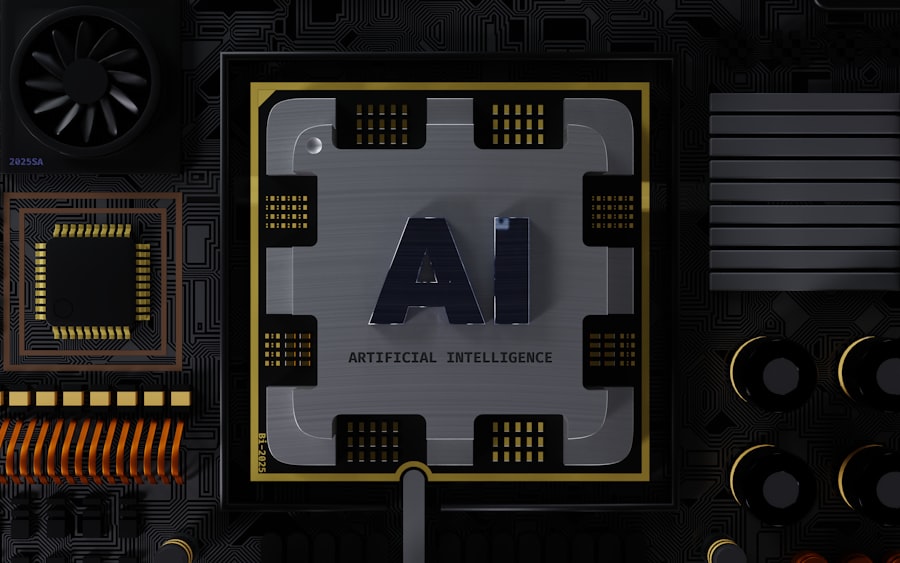
The field of robotics has experienced a renaissance fueled by advancements in AI and automation technologies. Modern robots are no longer limited to performing repetitive tasks; they are becoming increasingly capable of adapting to dynamic environments and learning from their experiences. This evolution is largely attributed to the integration of machine learning algorithms that allow robots to improve their performance over time through trial and error.
In manufacturing, for example, collaborative robots or “cobots” are working alongside human workers to enhance productivity and safety. These robots can learn from their human counterparts and adjust their actions accordingly, creating a more efficient workflow. Additionally, in sectors such as agriculture and logistics, robots equipped with AI are optimizing processes by analyzing data in real-time and making informed decisions. As robotics technology continues to advance, it is poised to revolutionize industries by increasing efficiency and reducing human error.
Healthcare and Medical AI Breakthroughs
| Date | Source | Headline | Summary |
|---|---|---|---|
| 2022-10-15 | TechCrunch | New AI system can detect early signs of Alzheimer’s | A new artificial intelligence system has been developed to detect early signs of Alzheimer’s disease with high accuracy. |
| 2022-10-16 | Reuters | AI-powered robot assists in surgery for the first time | An AI-powered robot successfully assisted in a complex surgery, marking a significant milestone in the use of AI in healthcare. |
| 2022-10-17 | The Verge | AI algorithm predicts stock market trends with 85% accuracy | A new AI algorithm has been developed that can predict stock market trends with an impressive 85% accuracy rate, potentially revolutionizing investment strategies. |
The healthcare sector has been significantly transformed by AI breakthroughs that enhance diagnostics, treatment planning, and patient care. Machine learning algorithms are being employed to analyze vast datasets from electronic health records, genomic data, and clinical trials, leading to more personalized treatment options for patients. For instance, AI can identify patterns in patient data that may not be immediately apparent to healthcare professionals, enabling earlier detection of diseases such as cancer.
Moreover, AI-driven tools are streamlining administrative tasks within healthcare systems, allowing medical professionals to focus more on patient care rather than paperwork. Virtual health assistants powered by AI are also emerging as valuable resources for patients seeking information about their conditions or treatment options. As these technologies continue to develop, they hold the promise of improving health outcomes while reducing costs and increasing accessibility to quality care.
Advancements in AI Ethics and Bias Mitigation
As AI technologies proliferate across various sectors, the importance of addressing ethical considerations and bias mitigation has become increasingly apparent. Researchers and organizations are recognizing that AI systems can inadvertently perpetuate existing biases present in training data or algorithms. This realization has sparked a movement towards developing frameworks that prioritize fairness, accountability, and transparency in AI applications.
Efforts are underway to create guidelines that ensure AI systems are designed with ethical considerations in mind. This includes implementing bias detection mechanisms during the development phase and conducting regular audits of AI systems post-deployment. Additionally, interdisciplinary collaborations involving ethicists, technologists, and policymakers are essential for establishing standards that promote responsible AI use. By prioritizing ethical practices in AI development, society can harness the benefits of these technologies while minimizing potential harm.
Quantum Computing and AI Integration
The intersection of quantum computing and artificial intelligence represents a frontier with immense potential for innovation. Quantum computing offers unprecedented processing power that could revolutionize how complex problems are solved across various domains. When combined with AI algorithms, quantum computing has the potential to accelerate machine learning processes significantly.
For instance, quantum algorithms can enhance optimization problems commonly encountered in logistics or finance by exploring multiple solutions simultaneously rather than sequentially. This capability could lead to breakthroughs in areas such as drug discovery or climate modeling where traditional computing methods face limitations due to computational complexity. As research progresses in this area, the integration of quantum computing with AI could unlock new possibilities that were previously unimaginable.
AI in Financial Services and Fintech
The financial services industry has embraced AI technologies to enhance decision-making processes, improve customer experiences, and mitigate risks. Machine learning algorithms are being utilized for credit scoring, fraud detection, and algorithmic trading, allowing financial institutions to operate more efficiently while minimizing losses. By analyzing vast amounts of transactional data in real-time, AI systems can identify suspicious activities that may indicate fraud or money laundering.
Furthermore, fintech companies are leveraging AI-driven chatbots and virtual assistants to provide personalized financial advice and support to customers around the clock. These tools can analyze individual spending habits and offer tailored recommendations for budgeting or investment strategies. As AI continues to evolve within the financial sector, it promises not only to streamline operations but also to democratize access to financial services for underserved populations.
AI in Climate Change and Environmental Sustainability
Artificial intelligence is playing a crucial role in addressing climate change and promoting environmental sustainability through innovative solutions. By analyzing large datasets related to weather patterns, carbon emissions, and resource consumption, AI can help identify trends and predict future scenarios that inform policy decisions. For example, machine learning models can optimize energy consumption in smart grids by predicting demand fluctuations based on historical data.
Additionally, AI technologies are being employed in conservation efforts by monitoring wildlife populations and detecting illegal activities such as poaching through image recognition systems. Drones equipped with AI capabilities can survey vast areas of land for deforestation or habitat destruction more efficiently than traditional methods. As society grapples with the pressing challenges posed by climate change, AI offers valuable tools for mitigating its effects while promoting sustainable practices.
AI in Cybersecurity and Threat Detection
In an increasingly digital world where cyber threats are becoming more sophisticated, artificial intelligence is emerging as a vital ally in cybersecurity efforts. Machine learning algorithms can analyze network traffic patterns in real-time to detect anomalies that may indicate potential security breaches or attacks. By continuously learning from new data inputs, these systems can adapt their defenses against evolving threats more effectively than traditional security measures.
Moreover, AI-driven threat intelligence platforms can aggregate information from various sources to provide organizations with actionable insights regarding emerging vulnerabilities or attack vectors. This proactive approach enables businesses to strengthen their security posture before incidents occur rather than merely reacting after breaches have taken place. As cyber threats continue to evolve rapidly, integrating AI into cybersecurity strategies will be essential for safeguarding sensitive information and maintaining trust in digital systems.
Conclusion and Future Implications of AI Breakthroughs
The breakthroughs in artificial intelligence across various domains signify a transformative shift that holds immense promise for the future. As AI technologies continue to advance at an unprecedented pace, their implications will reverberate throughout society—reshaping industries, enhancing human capabilities, and addressing some of the most pressing challenges facing humanity today. However, with these advancements come responsibilities; ethical considerations must guide the development and deployment of AI systems to ensure they serve the greater good.
Looking ahead, the integration of AI into everyday life will likely deepen further as researchers explore new frontiers such as quantum computing and advanced robotics. The potential for collaboration between humans and intelligent machines will redefine work dynamics while fostering innovation across sectors. Ultimately, the future of artificial intelligence is not just about technological progress; it is about harnessing this power responsibly to create a better world for all.
FAQs
What is artificial intelligence (AI)?
Artificial intelligence (AI) refers to the simulation of human intelligence in machines that are programmed to think and act like humans. This includes tasks such as learning, problem-solving, and decision-making.
How is artificial intelligence used in the news industry?
Artificial intelligence is used in the news industry for tasks such as content curation, personalized recommendations, automated writing, and sentiment analysis. AI helps news organizations to analyze large amounts of data and deliver more personalized and relevant content to their audience.
What are some recent developments in artificial intelligence news?
Recent developments in artificial intelligence news include the use of natural language processing (NLP) to improve language understanding, the development of AI-powered chatbots for news delivery, and the use of machine learning algorithms to detect fake news and misinformation.
What are the potential benefits of artificial intelligence in the news industry?
The potential benefits of artificial intelligence in the news industry include improved content personalization, more efficient news production, enhanced audience engagement, and the ability to detect and combat fake news and misinformation.
What are some concerns surrounding the use of artificial intelligence in the news industry?
Some concerns surrounding the use of artificial intelligence in the news industry include the potential for bias in AI algorithms, the impact on jobs in the newsroom, and the ethical implications of using AI to create and distribute news content.