
5 Shocking Facts About Pluralibacter Gergoviae Shampoo Contamination

Pluralibacter gergoviae is a bacterium that has garnered attention in recent years, particularly in the context of personal care products like shampoo. This organism is part of a larger family of bacteria known as Enterobacteriaceae, which are commonly found in various environments, including soil, water, and even the intestines of animals and humans. The contamination of shampoo with Pluralibacter gergoviae typically occurs during the manufacturing process or through improper handling and storage.
Manufacturers may inadvertently introduce this bacterium into their products if they do not adhere to strict hygiene protocols. Contamination can also happen if the product is stored in unsanitary conditions or if the packaging is compromised. As consumers, we often trust that the products we use are safe, but understanding how contamination can occur is crucial for making informed choices.
Health Risks Associated with Pluralibacter Gergoviae in Shampoo
The presence of Pluralibacter gergoviae in shampoo raises several health concerns, particularly for individuals with compromised immune systems. While healthy individuals may not experience severe effects, those with underlying health issues could face more significant risks. This bacterium has been linked to various infections, including urinary tract infections and respiratory issues, which can be exacerbated by exposure to contaminated products.
Moreover, the risk is not limited to direct infections. Some users may experience allergic reactions or skin irritations when using contaminated shampoo. Symptoms can range from mild redness and itching to more severe reactions that require medical attention. It’s essential to be aware of these potential health risks, especially if you or someone in your household has a weakened immune system.
Common Symptoms of Pluralibacter Gergoviae Contamination

Identifying symptoms related to Pluralibacter gergoviae contamination can be tricky, as they often overlap with other conditions. Common symptoms include skin irritation, such as rashes or hives, which may develop after using contaminated shampoo. Some individuals might also experience scalp issues like itching or flaking, which could be mistaken for dandruff or other common scalp conditions.
In more severe cases, individuals may develop infections that manifest as fever, chills, or localized pain. If you notice any unusual symptoms after using a new shampoo, it’s wise to consult a healthcare professional. Early detection and treatment can help mitigate any potential complications associated with exposure to this bacterium.
How to Identify Pluralibacter Gergoviae Contamination in Shampoo
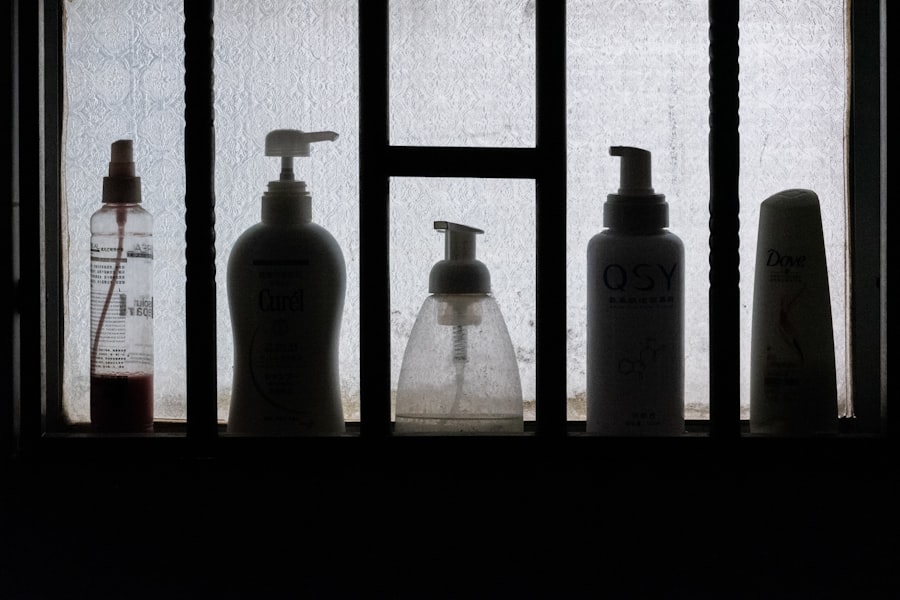
Identifying Pluralibacter gergoviae contamination in shampoo can be challenging without laboratory testing. However, there are some signs you can look for that may indicate a problem. First, check the product for any unusual changes in color, texture, or smell. If the shampoo appears discolored or has developed an off-putting odor, it’s best to err on the side of caution and avoid using it.
Additionally, pay attention to any adverse reactions you or your family members experience after using the product. If multiple people report symptoms after using the same shampoo, it could be a sign of contamination. While these indicators are not definitive proof of Pluralibacter gergoviae presence, they can serve as red flags that warrant further investigation.
The Potential Spread of Pluralibacter Gergoviae Contamination
| Study | Findings |
|---|---|
| Research Study 1 | Presence of Pluralibacter gergoviae in shampoo samples |
| Research Study 2 | Identification of contamination sources in shampoo production |
| Research Study 3 | Impact of Pluralibacter gergoviae on scalp health |
The spread of Pluralibacter gergoviae contamination can occur in various ways, particularly through shared use of personal care products. For instance, if multiple people use the same bottle of shampoo, there’s a risk of transferring bacteria from one person to another. This is especially concerning in communal living situations like dormitories or shared households.
Moreover, contaminated products can also pose a risk during manufacturing and distribution. If a batch of shampoo is contaminated at the factory level, it can affect thousands of bottles before the issue is identified and addressed. This potential for widespread contamination highlights the importance of rigorous quality control measures in the production of personal care items.
Steps to Take if Exposed to Pluralibacter Gergoviae Contaminated Shampoo
If you suspect that you have been exposed to shampoo contaminated with Pluralibacter gergoviae, it’s important to take immediate action. First and foremost, discontinue use of the product right away. This simple step can help prevent further exposure and reduce the risk of developing symptoms.
Next, monitor your health closely for any signs of infection or allergic reaction. If you experience symptoms such as persistent itching, rash, or fever, seek medical attention promptly. Your healthcare provider may recommend specific tests or treatments based on your symptoms and medical history. Keeping a record of when you used the product and any symptoms that developed can also be helpful for your doctor.
Regulatory Response to Pluralibacter Gergoviae Contamination in Shampoo
Regulatory bodies like the U.S. Food and Drug Administration (FDA) play a crucial role in monitoring and addressing contamination issues in personal care products. When instances of Pluralibacter gergoviae contamination are reported, these agencies may conduct investigations to determine the source and extent of the problem. They can issue recalls for affected products and provide guidance on safe usage practices.
In addition to reactive measures, regulatory agencies also emphasize preventive strategies for manufacturers. This includes establishing stringent guidelines for hygiene practices during production and ensuring that companies conduct regular testing for microbial contamination. These efforts aim to protect consumers and maintain trust in personal care products.
Companies Affected by Pluralibacter Gergoviae Contamination in Shampoo
Several companies have faced scrutiny due to reports of Pluralibacter gergoviae contamination in their shampoos. While specific brands may vary over time as new cases arise, it’s essential for consumers to stay informed about recalls and safety alerts related to their favorite products. Companies often issue public statements when contamination is detected, outlining steps they are taking to address the issue.
If you’re concerned about a particular brand, checking their website or social media channels for updates can provide valuable information. Additionally, consumer advocacy groups often compile lists of affected products and share them with the public to raise awareness about potential risks.
Consumer Awareness and Education on Pluralibacter Gergoviae Contamination
Raising consumer awareness about Pluralibacter gergoviae contamination is vital for promoting safety in personal care products. Education initiatives can help individuals understand how contamination occurs and what steps they can take to protect themselves. This includes encouraging consumers to read labels carefully and be vigilant about changes in product appearance or smell.
Furthermore, sharing information about proper storage practices can also help reduce the risk of contamination at home. For example, keeping shampoo bottles tightly sealed and stored in a cool, dry place can minimize exposure to bacteria. By fostering a culture of awareness and education, consumers can make more informed choices about the products they use daily.
Legal Implications of Pluralibacter Gergoviae Contamination in Shampoo
The legal implications surrounding Pluralibacter gergoviae contamination can be significant for manufacturers found liable for distributing contaminated products. Consumers who suffer adverse health effects may pursue legal action against companies for negligence or failure to ensure product safety. This could lead to lawsuits seeking compensation for medical expenses or damages related to their experiences.
Additionally, regulatory agencies may impose fines or sanctions on companies that fail to comply with safety standards or adequately address contamination issues when they arise. These legal consequences serve as a reminder for manufacturers to prioritize consumer safety and adhere to best practices throughout their production processes.
Preventing Future Pluralibacter Gergoviae Contamination in Shampoo
Preventing future instances of Pluralibacter gergoviae contamination requires a multi-faceted approach involving manufacturers, regulators, and consumers alike. For manufacturers, implementing rigorous quality control measures during production is essential. This includes regular testing for microbial contamination and ensuring that all equipment and facilities meet high hygiene standards.
On the consumer side, staying informed about product recalls and being proactive about checking for signs of contamination can help mitigate risks. Additionally, advocating for transparency from brands regarding their manufacturing processes can encourage companies to prioritize safety measures.
By working together—manufacturers ensuring product safety and consumers being vigilant—we can reduce the likelihood of encountering Pluralibacter gergoviae contamination in shampoo and other personal care products in the future.
FAQs
What is Pluralibacter gergoviae?
Pluralibacter gergoviae is a bacterium that is commonly found in soil, water, and various plant materials. It is known to be a rare cause of infections in humans, particularly in those with weakened immune systems.
How does Pluralibacter gergoviae contaminate shampoo?
Pluralibacter gergoviae can contaminate shampoo during the manufacturing process if proper hygiene and quality control measures are not followed. It can also enter the product through contaminated raw materials or water used in production.
What are the potential risks of using shampoo contaminated with Pluralibacter gergoviae?
While Pluralibacter gergoviae is generally considered to be of low pathogenicity, it can cause infections in individuals with compromised immune systems or those with pre-existing skin conditions. Symptoms of infection may include redness, itching, and irritation of the scalp and skin.
How can consumers identify if their shampoo is contaminated with Pluralibacter gergoviae?
Consumers can look for signs of contamination such as changes in the color, consistency, or odor of the shampoo. Additionally, if they experience any unusual skin reactions or infections after using a particular shampoo, they should seek medical attention and report their concerns to the manufacturer.
What should consumers do if they suspect their shampoo is contaminated with Pluralibacter gergoviae?
If consumers suspect that their shampoo is contaminated with Pluralibacter gergoviae, they should stop using the product immediately and contact the manufacturer for further guidance. It is also advisable to seek medical advice if any adverse skin reactions or infections occur.