
British Airways CityFlyer Suspends In-Flight Meals
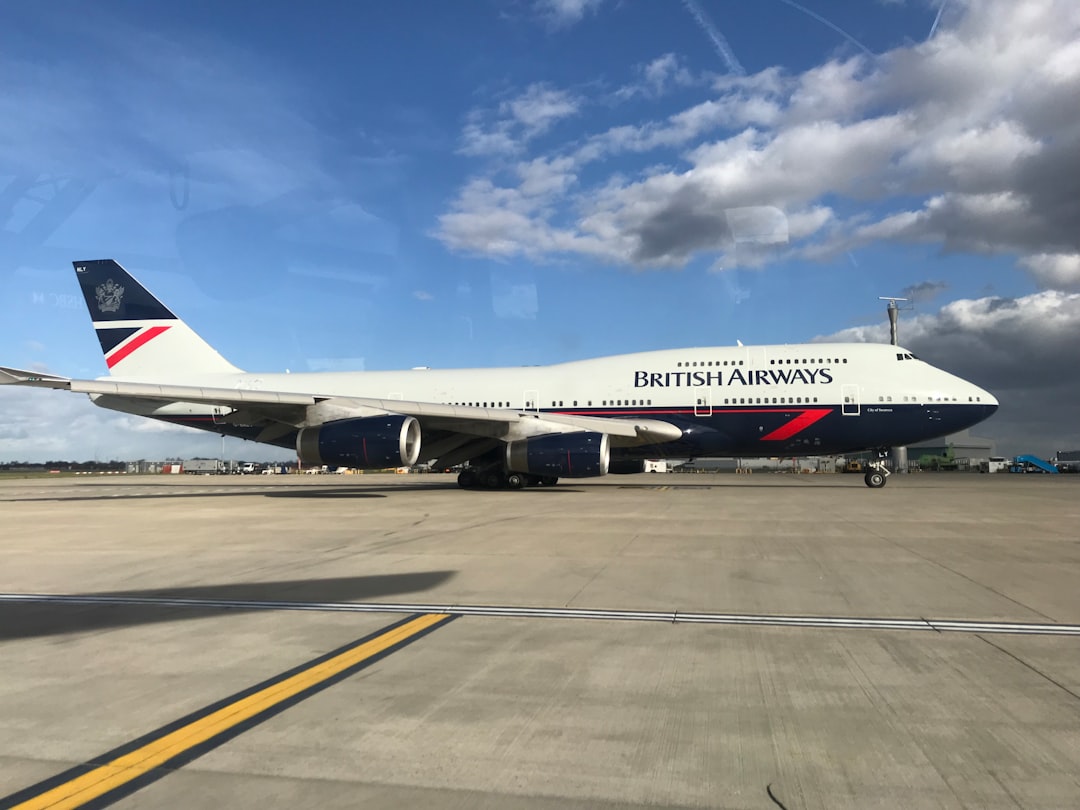
British Airways CityFlyer is a regional airline that operates short-haul flights primarily from London City Airport. It serves a variety of destinations across Europe, catering to both business and leisure travelers. Known for its convenient access to central London, CityFlyer has carved out a niche in the competitive airline market by offering a more personalized flying experience. However, recent developments have raised eyebrows among frequent flyers, particularly regarding in-flight services.
As travel continues to evolve post-pandemic, British Airways CityFlyer has made some significant changes to its in-flight offerings. One of the most notable announcements has been the suspension of in-flight meals, a decision that has sparked discussions among passengers and industry experts alike. This article will delve into the reasons behind this suspension, its impact on travelers, and how it compares to other airlines’ policies.
Announcement of the Suspension of In-Flight Meals
In a recent communication, British Airways CityFlyer announced that it would be suspending in-flight meal services on certain routes. This decision was met with surprise, especially considering that in-flight meals have long been a staple of the flying experience. The airline stated that this change would take effect immediately on select short-haul flights, leaving many passengers wondering what this means for their travel experience.
The announcement was part of a broader strategy aimed at streamlining operations and enhancing efficiency. While the specifics of which routes would be affected were not detailed initially, the airline assured customers that they would still receive complimentary snacks and beverages during their flights. This shift marks a significant departure from the traditional meal service that many travelers have come to expect, particularly on flights lasting over an hour.
Reasons for the Suspension
The suspension of in-flight meals by British Airways CityFlyer can be attributed to several factors. First and foremost, the airline is navigating the ongoing challenges posed by the COVID-19 pandemic. With fluctuating travel demand and changing health regulations, airlines are continually reassessing their operational strategies. By reducing in-flight services, British Airways CityFlyer aims to minimize contact between crew and passengers, aligning with health guidelines that prioritize safety.
Another reason for this decision is cost management. The airline industry has faced significant financial strain in recent years, and many carriers are looking for ways to cut expenses without compromising customer satisfaction entirely. By suspending meal services, British Airways CityFlyer can reduce food waste and lower operational costs associated with catering services. This pragmatic approach reflects a broader trend within the industry as airlines adapt to new economic realities.
Impact on Passengers
The suspension of in-flight meals has undoubtedly impacted passengers, particularly those who rely on these services during their travels. For many frequent flyers, a meal can be an essential part of the journey, especially on longer flights. The absence of a proper meal service may lead to dissatisfaction among travelers who expect a certain level of comfort and convenience when flying.
Moreover, this change could affect the overall travel experience for families or those traveling with children. Parents often appreciate having meals provided during flights to keep their little ones satisfied and content. The shift towards only offering snacks and beverages may leave some families scrambling to find alternatives before boarding or during layovers. As a result, passengers may need to adjust their travel plans accordingly, potentially leading to increased stress.
Alternative Options for Passengers
| Date | CityFlyer Route | Meal Suspension |
|---|---|---|
| June 2021 | Various routes | Due to COVID-19 |
In light of the suspension of in-flight meals, British Airways CityFlyer is encouraging passengers to consider alternative options for their dining needs while traveling. One practical suggestion is for travelers to bring their own snacks or meals onboard. This approach allows individuals to cater to their dietary preferences and ensures they have something satisfying to eat during the flight.
Additionally, passengers can explore dining options available at the airport before boarding their flights. Many airports now offer a variety of food outlets that cater to different tastes and dietary requirements. By planning ahead and grabbing a bite before heading to the gate, travelers can ensure they won’t go hungry during their journey.
Reactions from Customers
Customer reactions to the suspension of in-flight meals have been mixed. Some passengers understand the necessity behind the decision, especially given the current climate in the airline industry. They appreciate that safety and cost management are priorities for airlines trying to navigate through challenging times.
However, there are also many who feel disappointed by this change. Frequent travelers have expressed concerns about losing a key aspect of the flying experience that they have come to enjoy. Social media platforms have seen a flurry of comments from customers sharing their thoughts on the matter, with some calling for British Airways CityFlyer to reconsider its decision and restore meal services as soon as possible.
Reactions from Industry Experts
Industry experts have weighed in on British Airways CityFlyer’s decision to suspend in-flight meals, offering insights into its implications for the airline and its passengers. Many analysts believe that this move reflects broader trends within the aviation sector as airlines adapt to changing consumer expectations and economic pressures.
Some experts argue that while cost-cutting measures are necessary, airlines should be cautious about compromising customer experience too much. They suggest that providing at least some form of meal service could help maintain passenger loyalty and satisfaction in an increasingly competitive market. Others point out that airlines need to innovate and find new ways to enhance the travel experience without incurring significant costs.
British Airways CityFlyer’s Response to Feedback
In response to customer feedback regarding the suspension of in-flight meals, British Airways CityFlyer has acknowledged the concerns raised by passengers. The airline has emphasized its commitment to listening to customer input and adapting its services accordingly. While they have not committed to reinstating full meal services immediately, they are exploring options that could enhance the travel experience without compromising safety or efficiency.
British Airways CityFlyer has also indicated that it will continue monitoring passenger feedback as travel patterns evolve. This proactive approach demonstrates an understanding of customer needs and a willingness to adapt as circumstances change. The airline’s responsiveness may help mitigate some dissatisfaction among travelers while maintaining its focus on operational efficiency.
Future Plans for In-Flight Meals
Looking ahead, British Airways CityFlyer is considering various options for its in-flight meal services as it navigates through these changes. While there are no definitive plans announced yet, discussions are underway regarding how best to reintroduce meal services in a way that aligns with current health guidelines and customer expectations.
One possibility is offering pre-order meal options for passengers who wish to have a more substantial dining experience during their flights. This approach could allow travelers to select meals tailored to their preferences while minimizing food waste and ensuring safety during service. As travel resumes more robustly, British Airways CityFlyer may also explore partnerships with local food vendors or caterers to provide unique meal options that reflect regional flavors.
Comparison with Other Airlines’ In-Flight Meal Policies
When comparing British Airways CityFlyer’s approach to in-flight meals with other airlines, it’s clear that practices vary widely across the industry. Some carriers have maintained robust meal services even during challenging times, while others have opted for more streamlined offerings similar to those of CityFlyer.
For instance, low-cost airlines often provide minimal or no meal service at all, relying instead on passengers purchasing snacks or drinks onboard. In contrast, full-service airlines may continue offering complimentary meals but have adjusted their menus or service styles to accommodate health guidelines. This disparity highlights how different airlines are responding uniquely to market demands while balancing operational efficiency with customer satisfaction.
Conclusion and Final Thoughts
In conclusion, British Airways CityFlyer’s suspension of in-flight meals marks a significant shift in its service offerings amid ongoing challenges in the airline industry. While this decision has sparked mixed reactions from passengers and industry experts alike, it reflects broader trends toward cost management and safety considerations.
As travelers adapt to these changes, it’s essential for airlines like British Airways CityFlyer to remain responsive to customer feedback and explore innovative solutions for enhancing the flying experience. Whether through alternative dining options or future meal service plans, maintaining passenger satisfaction will be crucial as the airline navigates its path forward in an ever-evolving landscape.