
5 Ways UK Vegetable Crop Drought Is Impacting Farmers
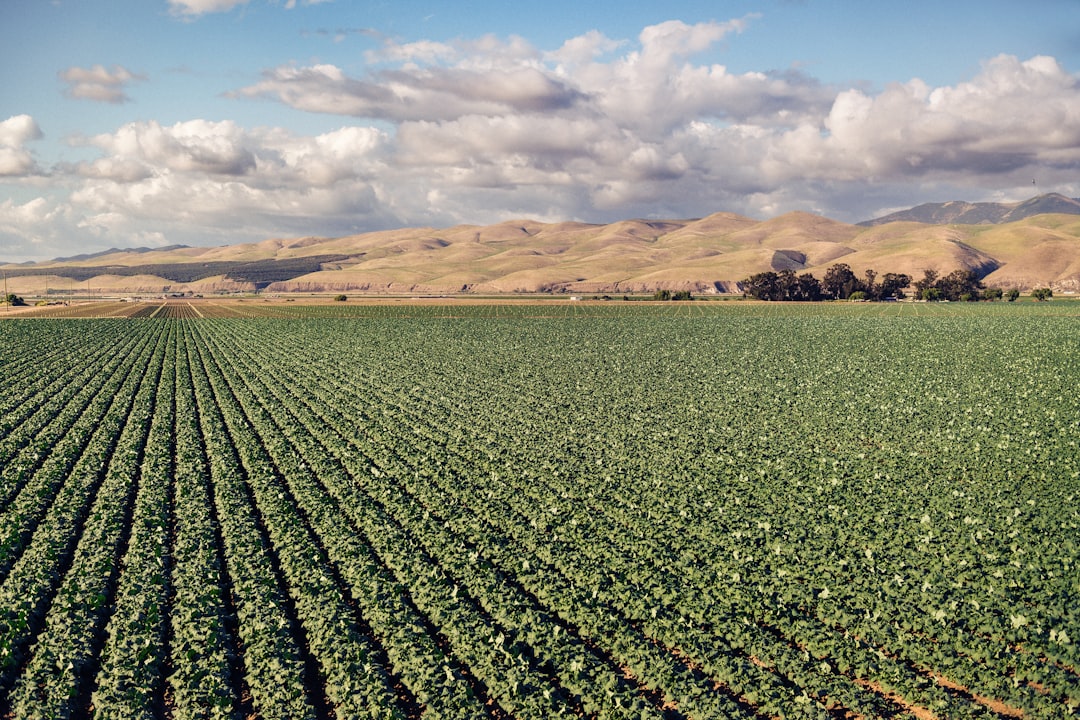
One of the most immediate consequences of climate change on agriculture is the decreased yield of crops. Farmers are noticing that traditional crops are not producing as much as they used to, and this decline can be attributed to a variety of factors, including shifting weather patterns, increased temperatures, and unpredictable rainfall. For instance, staple crops like wheat and corn are particularly sensitive to these changes. A few degrees of temperature rise can significantly affect their growth cycles, leading to lower harvests.
Moreover, the unpredictability of weather events, such as droughts or heavy rains, can disrupt planting and harvesting schedules. Farmers often rely on historical data to make decisions about when to plant and harvest, but with climate change altering these patterns, they find themselves in a precarious situation. This not only affects their immediate yield but also creates a ripple effect that can impact food supply chains and market stability.
Increased Water Costs
As climate change progresses, water scarcity is becoming a pressing issue for farmers. With rising temperatures and altered precipitation patterns, many regions are experiencing droughts that lead to increased competition for water resources. This scarcity drives up the cost of irrigation, forcing farmers to invest more in water management systems or to purchase water from external sources.
The financial burden of increased water costs can be significant, especially for small-scale farmers who may already be operating on tight margins. In some cases, farmers are forced to abandon certain crops that require more water, leading to a shift in agricultural practices. This not only affects their immediate financial situation but can also have long-term implications for the sustainability of their farming operations.
Impact on Livelihoods
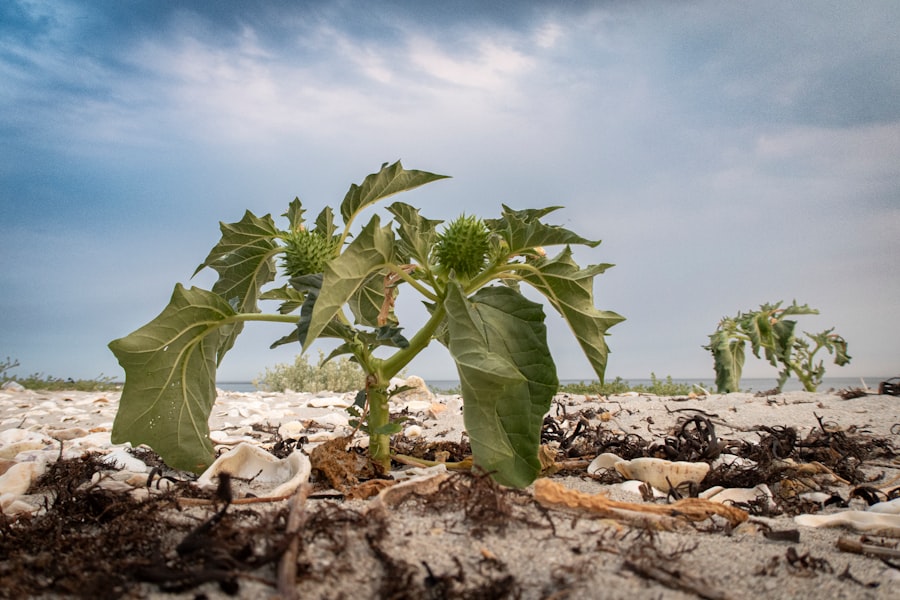
The effects of climate change on agriculture extend beyond just crop yields and water costs; they also have profound implications for farmers’ livelihoods. Many rural communities depend heavily on agriculture as their primary source of income. When yields decrease and costs rise, farmers may struggle to make ends meet, leading to financial instability and increased debt.
In addition to economic challenges, the stress associated with these changes can take a toll on mental health. Farmers often face uncertainty about their future, which can lead to anxiety and depression. The combination of financial strain and emotional distress can create a cycle that is difficult to break, impacting not only the farmers themselves but also their families and communities.
Decreased Profit Margins
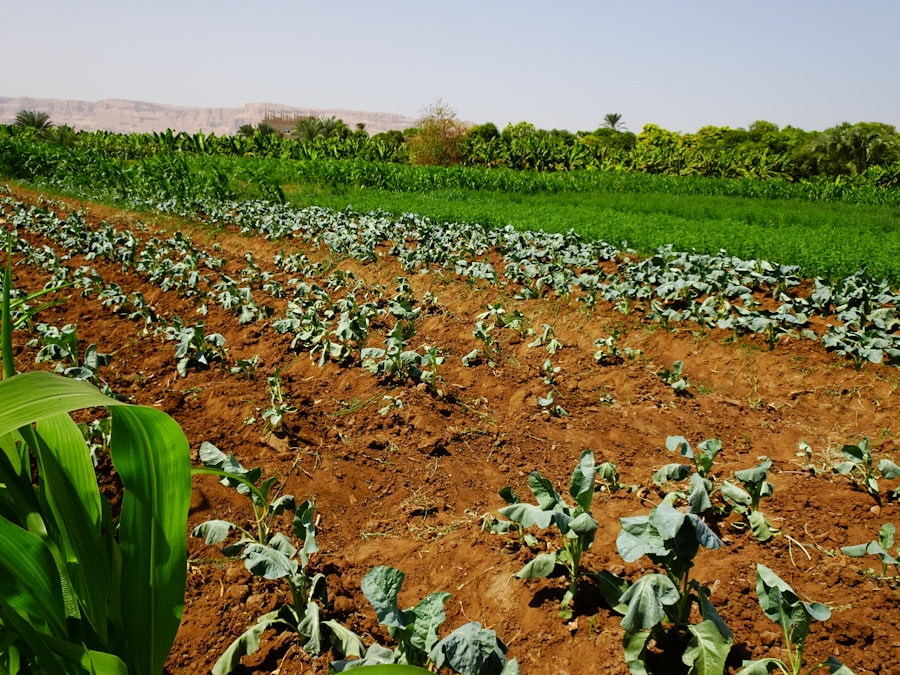
As yields decline and costs rise, profit margins for farmers are shrinking. This is particularly concerning for those who operate on thin margins to begin with. When the cost of production increases due to factors like higher water prices or the need for more expensive inputs, farmers may find it challenging to maintain profitability.
In many cases, farmers are forced to make tough decisions about which crops to grow or whether to invest in new technologies that could help mitigate some of these challenges. Unfortunately, these decisions often come with risks. If a farmer chooses to invest in a new irrigation system but the weather does not cooperate, they may find themselves in an even worse financial position than before.
Changes in Crop Selection
| Vegetable Crop | Drought Impact |
|---|---|
| Potatoes | Reduced yield and smaller tubers |
| Carrots | Stunted growth and lower quality |
| Onions | Smaller bulbs and reduced overall production |
| Peas | Decreased pod development and lower harvest |
With the changing climate, many farmers are reevaluating their crop selections. Some crops that were once staples may no longer be viable due to decreased yields or increased pest pressures. As a result, farmers are exploring alternative crops that may be more resilient to changing conditions.
This shift can be both an opportunity and a challenge. On one hand, diversifying crop selection can help mitigate risks associated with climate change. On the other hand, transitioning to new crops often requires additional research and investment in new farming techniques. Farmers must weigh the potential benefits against the uncertainties involved in adopting new practices.
Increased Pest Pressure
Climate change is also contributing to increased pest pressure on crops. Warmer temperatures can create favorable conditions for pests and diseases that were previously limited by colder climates. As these pests become more prevalent, farmers face additional challenges in managing their crops effectively.
The increased need for pest control measures can lead to higher costs for farmers, as they may need to invest in pesticides or other management strategies. Additionally, reliance on chemical treatments can have long-term implications for soil health and biodiversity. Farmers must navigate the delicate balance between protecting their crops and maintaining sustainable practices.
Impact on Food Prices
The cumulative effects of decreased yields, increased costs, and changing crop selections ultimately impact food prices for consumers. When farmers struggle to produce enough food due to climate-related challenges, supply decreases while demand remains constant or even increases. This imbalance can lead to higher prices at grocery stores and markets.
For consumers, rising food prices can strain budgets and limit access to nutritious options. This is particularly concerning for low-income families who may already face food insecurity. The interconnectedness of agriculture and food systems means that challenges faced by farmers can have far-reaching consequences for society as a whole.
Need for Government Assistance
Given the significant challenges posed by climate change, there is an increasing need for government assistance in the agricultural sector. Support programs can help farmers adapt to changing conditions by providing resources for research, education, and financial assistance.
Government initiatives aimed at promoting sustainable practices can also play a crucial role in helping farmers navigate these challenges. By investing in infrastructure improvements and providing access to technology, governments can empower farmers to make informed decisions about their operations while mitigating the impacts of climate change.
Impact on Rural Communities
The effects of climate change on agriculture extend beyond individual farms; they also impact entire rural communities. As farmers face economic hardships due to decreased yields and rising costs, local economies that rely on agriculture may suffer as well. Businesses that support farming operations—such as equipment suppliers and local markets—can experience downturns when farmers struggle financially.
Moreover, rural communities often have limited resources to adapt to these changes. As younger generations move away in search of better opportunities, the demographic shifts can further weaken these communities’ resilience against climate-related challenges.
Increased Stress on Farming Families
The pressures associated with climate change are not just economic; they also take a toll on the mental well-being of farming families. The uncertainty surrounding crop yields and financial stability can lead to heightened stress levels among farmers and their families. This stress can manifest in various ways, including strained relationships and decreased quality of life.
Support networks within farming communities are essential for addressing these challenges. Open conversations about mental health and access to resources can help alleviate some of the burdens faced by farming families. Building resilience within these communities is crucial for navigating the complexities of climate change.
Long-Term Effects on Soil Health
Finally, one of the most concerning long-term effects of climate change on agriculture is its impact on soil health. Practices that may be necessary to cope with immediate challenges—such as increased use of fertilizers or pesticides—can degrade soil quality over time. Healthy soil is vital for sustainable agriculture; it supports plant growth and helps retain moisture.
As soil health declines, farmers may find themselves caught in a cycle where they need to use more inputs to achieve acceptable yields, further exacerbating the problem. Sustainable practices that focus on soil conservation are essential for ensuring long-term agricultural viability in the face of climate change.
In conclusion, the impacts of climate change on agriculture are multifaceted and far-reaching. From decreased yields and increased costs to changes in crop selection and community dynamics, the challenges faced by farmers today require urgent attention and action. By understanding these issues and working collaboratively towards solutions, we can help support farmers and ensure a more sustainable future for agriculture.