
Top 5 Features of the Garmin Fenix 9

In the realm of wearable technology, advanced GPS tracking has emerged as a pivotal feature that enhances the user experience significantly. This technology allows individuals to navigate their surroundings with remarkable precision, making it an invaluable tool for outdoor enthusiasts and athletes alike. With the integration of multi-band GPS, users can enjoy improved accuracy even in challenging environments, such as urban areas with tall buildings or dense forests. This capability not only aids in route planning but also ensures that users can track their performance metrics with confidence, knowing that their data is reliable.
Moreover, advanced GPS tracking goes beyond mere location services. It enables users to explore new trails, monitor their pace, and analyze their routes post-activity. Many devices equipped with this technology offer real-time tracking, allowing friends and family to follow a user’s journey live. This feature adds a layer of safety, particularly for those who venture into remote areas. As GPS technology continues to evolve, it promises to deliver even more sophisticated features, such as route optimization and personalized coaching based on location data.
Long Battery Life
The importance of long battery life in wearable devices cannot be overstated. Users often seek gadgets that can keep up with their active lifestyles without the constant need for recharging. A smartwatch or fitness tracker boasting an extended battery life can last several days or even weeks on a single charge, allowing users to focus on their activities rather than worrying about their device’s power levels. This feature is particularly beneficial for those who engage in long-distance activities, such as hiking or marathon running, where access to charging facilities may be limited.
Furthermore, advancements in battery technology have led to more efficient power consumption in smartwatches. Manufacturers are now able to incorporate features that require significant processing power while still maintaining impressive battery longevity. This means that users can enjoy a plethora of functionalities—from GPS tracking to health monitoring—without sacrificing battery performance. As a result, long battery life not only enhances convenience but also enriches the overall user experience by ensuring that the device remains operational during critical moments.
Robust Design
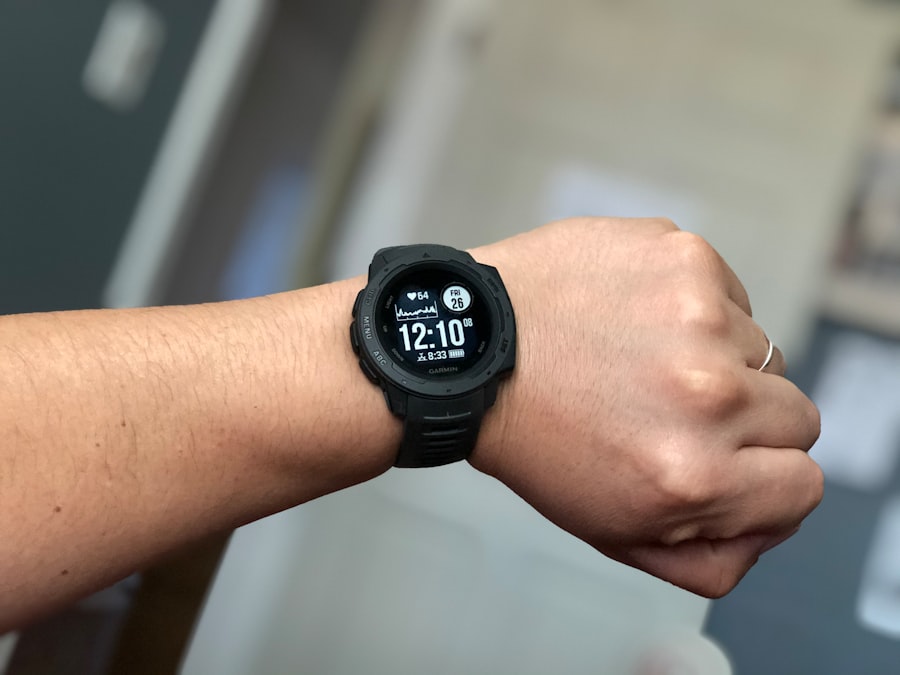
A robust design is essential for any wearable device, especially for those intended for outdoor use or high-intensity activities. Users require devices that can withstand the rigors of their lifestyle, whether it be exposure to harsh weather conditions, accidental drops, or general wear and tear. A smartwatch with a rugged build typically features materials such as reinforced glass, stainless steel, or durable polymers that enhance its resilience. This durability ensures that the device remains functional and aesthetically pleasing over time, even under challenging circumstances.
In addition to physical durability, a robust design often includes water and dust resistance ratings, which are crucial for users who engage in activities like swimming or trail running. These features provide peace of mind, allowing users to immerse themselves in their pursuits without the fear of damaging their device. As manufacturers continue to innovate in this area, the combination of style and strength becomes increasingly appealing, catering to a demographic that values both functionality and fashion.
Health and Fitness Tracking
Health and fitness tracking capabilities have revolutionized the way individuals approach their wellness journeys. Modern smartwatches are equipped with an array of sensors that monitor various health metrics, including heart rate, sleep patterns, and even blood oxygen levels. This wealth of data empowers users to make informed decisions about their health and fitness routines. By providing insights into daily activity levels and overall well-being, these devices serve as personal health coaches that encourage users to set and achieve their fitness goals.
Moreover, the integration of advanced algorithms allows for more accurate tracking and analysis of workouts. Users can receive feedback on their performance, helping them identify areas for improvement and adjust their training regimens accordingly. The ability to track progress over time fosters motivation and accountability, making it easier for individuals to stay committed to their health objectives. As technology continues to advance, the potential for more sophisticated health monitoring features will only enhance the value of fitness tracking in everyday life.
Smartwatch Functionality
| Feature | Details |
|---|---|
| Display | 1.4 inch display with 280 x 280 pixels resolution |
| Battery Life | Up to 14 days in smartwatch mode |
| GPS | Integrated GPS and GLONASS |
| Water Resistance | Up to 100 meters |
| Health Tracking | Heart rate monitoring, sleep tracking, stress tracking |
| Connectivity | Bluetooth, Wi-Fi, and NFC |
The evolution of smartwatches has transformed them from simple timekeeping devices into multifunctional gadgets that seamlessly integrate into daily life. Beyond fitness tracking, modern smartwatches offer a plethora of features that enhance communication and productivity. Users can receive notifications for calls, messages, and emails directly on their wrist, allowing them to stay connected without constantly checking their smartphones. This convenience is particularly beneficial for those who lead busy lives or prefer to keep their hands free during activities.
Additionally, smartwatch functionality extends to various applications that cater to diverse interests and needs. From navigation apps that provide turn-by-turn directions to weather updates that help users plan their day, the versatility of smartwatches is unmatched. Many devices also support voice commands, enabling users to interact with their watches effortlessly while on the go. As developers continue to create innovative applications tailored for smartwatches, the potential for these devices to enhance everyday life will only grow.
Onboard Maps
Onboard maps represent a significant advancement in wearable technology, particularly for those who enjoy outdoor adventures or travel frequently. With preloaded maps available directly on the device, users can navigate unfamiliar terrain without relying on a smartphone or internet connection. This feature is especially advantageous in remote areas where cellular service may be unreliable or nonexistent. By having access to detailed maps at all times, users can explore new locations with confidence and ease.
Furthermore, onboard maps often come equipped with additional features such as points of interest (POIs), elevation profiles, and route planning tools. These functionalities allow users to customize their journeys based on personal preferences or specific goals. Whether hiking through national parks or cycling along scenic routes, having comprehensive mapping capabilities enhances the overall experience by providing essential information at a glance. As technology advances further, onboard maps are likely to become even more sophisticated, incorporating real-time updates and augmented reality features.
Multi-sport Tracking
Multi-sport tracking has become an essential feature for athletes who engage in various physical activities. A smartwatch equipped with this capability allows users to switch between different sports modes seamlessly—be it running, cycling, swimming, or even yoga—without needing multiple devices. This versatility not only simplifies the user experience but also provides comprehensive data across different activities, enabling individuals to analyze their performance holistically.
Moreover, multi-sport tracking often includes specialized metrics tailored to each sport. For instance, runners may benefit from pace analysis and cadence tracking, while cyclists might focus on power output and distance covered. By offering sport-specific insights, these devices help users optimize their training regimens and achieve better results over time. As more athletes embrace cross-training and diverse workout routines, the demand for multi-sport tracking capabilities will continue to rise.
Advanced Performance Metrics
Advanced performance metrics are at the forefront of modern fitness technology, providing users with deeper insights into their physical capabilities and progress. Smartwatches equipped with these features can measure various parameters such as VO2 max, lactate threshold, and recovery time—data that was once only accessible through specialized equipment in professional settings. By making this information available at the user’s fingertips, these devices empower individuals to take control of their training and make informed decisions about their fitness journeys.
Additionally, advanced performance metrics often come with personalized coaching recommendations based on the collected data. For example, if a user’s heart rate variability indicates insufficient recovery time between workouts, the device may suggest rest days or lighter training sessions. This level of customization not only enhances performance but also helps prevent injuries by promoting a balanced approach to training. As technology continues to evolve, the potential for even more sophisticated performance metrics will further enrich the user experience.
Contactless Payments
The convenience of contactless payments has become an integral part of modern life, and smartwatches are leading the charge in this area. With built-in payment systems like Apple Pay or Google Pay, users can make transactions directly from their wrists without needing to carry cash or cards. This feature is particularly useful for those who lead active lifestyles and prefer not to be encumbered by wallets during workouts or outdoor activities.
Moreover, contactless payments enhance security by reducing the risk of losing physical cards or cash. Users can set up biometric authentication methods such as fingerprint recognition or facial recognition for added protection when making purchases. As more retailers adopt contactless payment systems, the practicality of using smartwatches for transactions will only increase. This seamless integration of financial technology into wearable devices exemplifies how innovation continues to shape everyday experiences.
Music Storage and Playback
Music storage and playback capabilities have transformed smartwatches into portable entertainment hubs for music lovers and fitness enthusiasts alike. With the ability to store playlists directly on the device, users can enjoy their favorite tunes while exercising without needing a smartphone nearby. This feature is particularly appealing for runners or cyclists who prefer a more streamlined experience during workouts.
Additionally, many smartwatches support popular music streaming services, allowing users to access vast libraries of songs directly from their wrists. This integration enables individuals to discover new music or create custom playlists tailored to their workout intensity or mood. The convenience of controlling music playback through a smartwatch—such as skipping tracks or adjusting volume—further enhances the overall experience by keeping users engaged and motivated during physical activities.
Customizable Watch Faces
Customizable watch faces offer users a unique opportunity to personalize their smartwatches according to individual preferences and styles. With a wide array of designs available—from classic analog styles to vibrant digital displays—users can select watch faces that reflect their personality or match specific outfits for different occasions. This level of customization not only enhances aesthetic appeal but also allows individuals to prioritize the information they find most relevant at a glance.
Furthermore, many smartwatches enable users to create custom watch faces by incorporating personal photos or specific widgets that display vital information such as weather updates or fitness stats. This flexibility fosters a deeper connection between users and their devices as they can tailor them to suit their lifestyles and needs. As technology continues to advance in this area, the potential for even more creative customization options will further enrich the user experience and make each smartwatch feel truly unique.
In conclusion, the evolution of wearable technology has led to remarkable advancements across various features that cater to diverse user needs and preferences. From advanced GPS tracking and long battery life to customizable watch faces and contactless payments, modern smartwatches have become indispensable tools for enhancing daily life and promoting health and fitness goals. As manufacturers continue to innovate and integrate new technologies into these devices, the future promises even greater possibilities for personalization and functionality in wearable tech.
FAQs
What are the key features of the Garmin Fenix 9?
The Garmin Fenix 9 is a multisport GPS watch that offers advanced performance metrics, mapping, and navigation features. It also includes health and wellness tracking, smart notifications, and a long battery life.
What is the battery life of the Garmin Fenix 9?
The Garmin Fenix 9 has a battery life of up to 120 hours in GPS mode, up to 300 hours in max battery GPS mode, and up to 65 days in smartwatch mode.
What sports and activities does the Garmin Fenix 9 support?
The Garmin Fenix 9 supports a wide range of sports and activities, including running, cycling, swimming, hiking, skiing, golfing, and more. It also offers advanced training and performance features for athletes.
Does the Garmin Fenix 9 have mapping and navigation features?
Yes, the Garmin Fenix 9 includes full-color mapping, on-device routing, and navigation features. It also supports preloaded topographical maps and ski maps for over 2,000 worldwide ski resorts.
What health and wellness tracking features does the Garmin Fenix 9 offer?
The Garmin Fenix 9 offers advanced health and wellness tracking features, including heart rate monitoring, sleep tracking, stress tracking, hydration tracking, and women’s health tracking. It also includes a Pulse Ox sensor for altitude acclimation monitoring.