
Top 5 Reasons Why a Boeing 787-9 Was Diverted to LAX
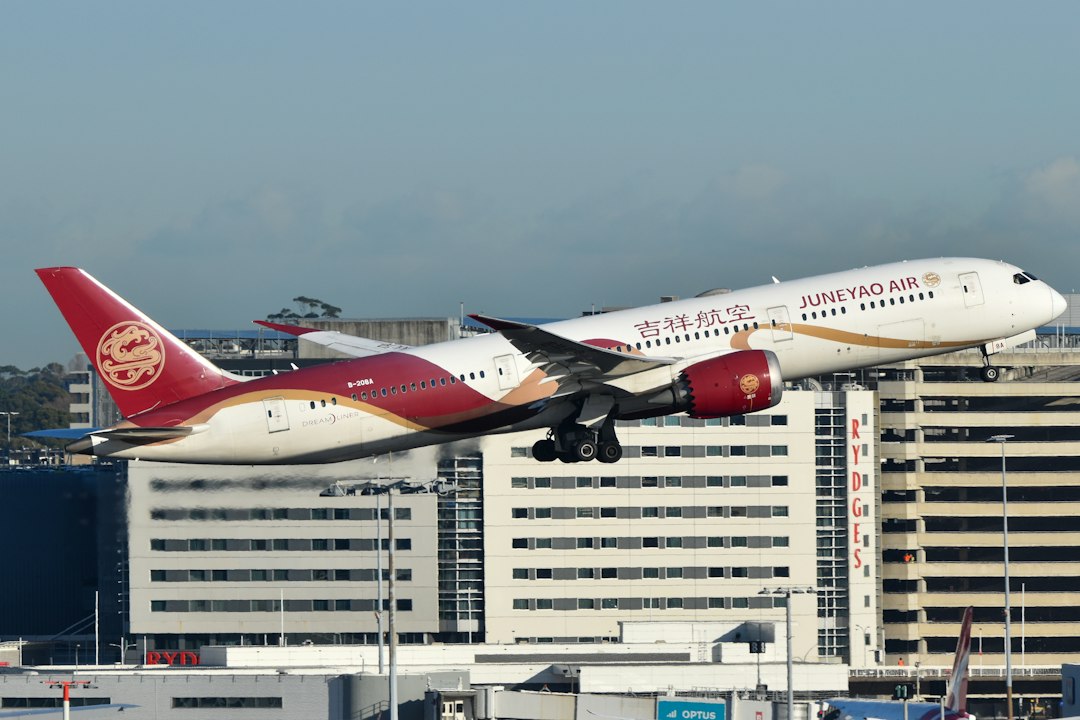
Weather conditions play a pivotal role in the operation of air travel, often dictating the safety and efficiency of flights. Adverse weather phenomena such as thunderstorms, heavy snowfall, or dense fog can lead to significant delays and cancellations. For instance, a sudden snowstorm can blanket an airport runway, rendering it unsafe for takeoff and landing. In such scenarios, airlines must prioritize passenger safety, leading to the grounding of flights until conditions improve. The unpredictability of weather patterns means that airlines must remain vigilant and adaptable, constantly monitoring forecasts and adjusting their operations accordingly.
Moreover, weather-related disruptions can extend beyond immediate flight cancellations. When severe weather strikes, it can create a ripple effect throughout the entire air traffic network. Delays in one region can cascade into a series of subsequent delays across multiple airports, affecting thousands of passengers. Airlines often find themselves in a race against time to rebook travelers and manage logistics, all while keeping passengers informed about their changing itineraries. The impact of weather on air travel is profound, highlighting the need for robust contingency plans and effective communication strategies to mitigate the effects of nature’s unpredictability.
Mechanical Issues
Mechanical issues represent another significant challenge in the aviation industry, often arising unexpectedly and requiring immediate attention. Aircraft are complex machines that undergo rigorous maintenance checks to ensure their safety and reliability. However, despite these precautions, mechanical failures can still occur, leading to flight delays or cancellations. For example, a malfunctioning engine or a faulty navigation system can ground an aircraft until technicians can diagnose and resolve the problem. This not only affects the specific flight but can also disrupt the schedules of other flights that rely on the same aircraft.
The implications of mechanical issues extend beyond mere inconvenience for passengers. Airlines must navigate the delicate balance between maintaining operational efficiency and ensuring passenger safety. When a mechanical problem arises, crews are trained to follow strict protocols that prioritize safety above all else. This often means that flights may be delayed for hours or even canceled entirely while repairs are made or alternative arrangements are sought. The transparency with which airlines communicate these issues to passengers is crucial; clear communication can help alleviate frustration and foster understanding during what can be a stressful experience.
Medical Emergency
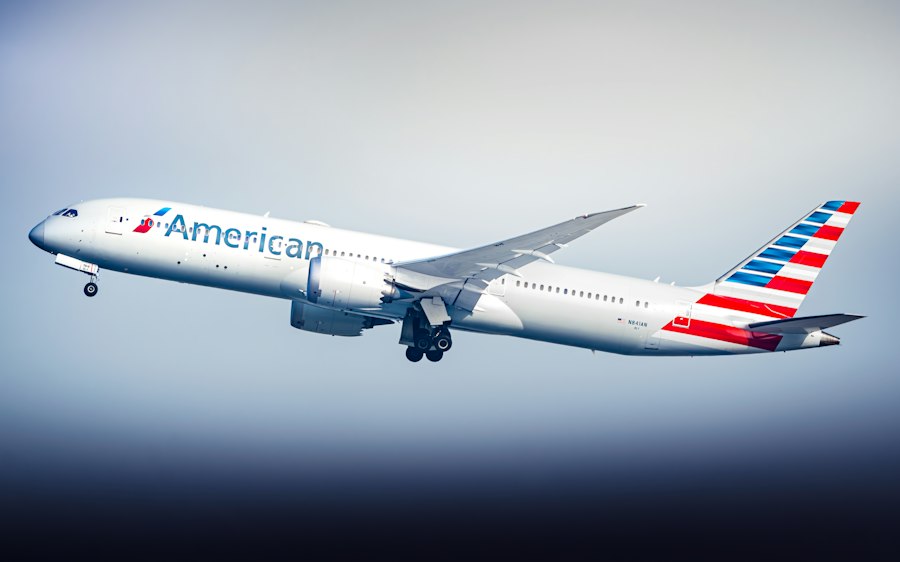
Medical emergencies aboard an aircraft present unique challenges that require immediate and decisive action from flight crews. When a passenger experiences a health crisis mid-flight—be it a heart attack, severe allergic reaction, or other medical condition—the crew must act swiftly to assess the situation and provide assistance. Flight attendants are trained to handle such emergencies, often equipped with basic medical supplies and protocols to stabilize the passenger until they can receive professional medical care upon landing.
In some cases, the severity of the medical emergency may necessitate diverting the flight to the nearest airport. This decision is not taken lightly; it involves weighing the urgency of the situation against the potential disruption to the flight schedule and other passengers’ plans. Diverting a flight can lead to significant delays and logistical challenges, as airlines must coordinate with ground services to ensure that medical personnel are ready upon arrival. The ability of flight crews to manage these emergencies effectively is critical, as their actions can mean the difference between life and death for the affected passenger.
Security Concerns
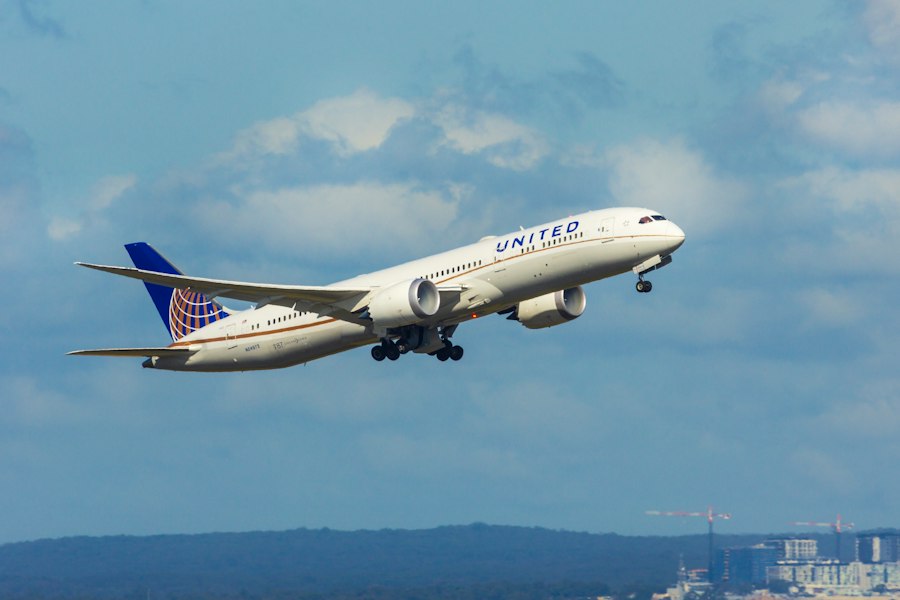
Security concerns have become an integral aspect of air travel in recent decades, particularly in light of global events that have heightened awareness around aviation safety. Incidents involving unruly passengers or potential threats can lead to immediate responses from flight crews and security personnel. For instance, if a passenger exhibits suspicious behavior or refuses to comply with safety regulations, the crew may need to take precautionary measures to ensure the safety of everyone on board. This could involve notifying air traffic control or even diverting the flight to address the situation.
The implications of security concerns extend beyond individual flights; they can affect entire airports and air travel networks. Heightened security measures may lead to longer wait times at check-in and security checkpoints, causing delays for passengers trying to board their flights. Additionally, when security incidents occur, they often prompt thorough investigations that can disrupt operations for hours or even days. Airlines must remain vigilant in their security protocols while also ensuring that passengers feel safe and comfortable during their journey.
Air Traffic Control Instructions
| Metric | Value | Details |
|---|---|---|
| Aircraft Model | Boeing 787-9 | Wide-body, twin-engine jet airliner |
| Flight Diversion Airport | Los Angeles International Airport (LAX) | Primary airport serving Los Angeles, California |
| Reason for Diversion | Technical issue | Engine or system malfunction reported mid-flight |
| Flight Number | Example: BA1234 | Placeholder for specific flight number |
| Passengers Onboard | Approx. 250 | Typical seating capacity for Boeing 787-9 |
| Time of Diversion | Example: 14:30 PST | Local time when diversion was initiated |
| Duration of Delay | Estimated 2-4 hours | Time taken to resolve issue and continue flight |
| Safety Outcome | No injuries reported | All passengers and crew safe |
Air traffic control (ATC) plays a crucial role in managing the flow of air traffic and ensuring safe operations within controlled airspace. Pilots rely on ATC for instructions regarding takeoff, landing, and navigation during flight. However, there are instances when ATC instructions may lead to delays or changes in flight plans due to various factors such as congestion at airports or adverse weather conditions. For example, if an airport is experiencing high traffic volume, ATC may implement holding patterns for incoming flights, causing them to circle above until they receive clearance to land.
The relationship between pilots and air traffic controllers is vital for maintaining safety in the skies. Effective communication is essential; pilots must be able to clearly understand and respond to ATC instructions while also relaying any issues they encounter during their flight. When unexpected situations arise—such as a sudden change in weather or an emergency on board—pilots must work closely with ATC to navigate these challenges safely. The dynamic nature of air traffic control requires constant vigilance and adaptability from both pilots and controllers alike.
Passenger Disruption
Passenger disruption can occur for various reasons during air travel, ranging from delays and cancellations to unexpected changes in itineraries. When flights are delayed due to weather or mechanical issues, passengers often find themselves waiting in terminals with little information about when they might be able to board their flights. This uncertainty can lead to frustration and anxiety among travelers, particularly those with connecting flights or time-sensitive commitments.
Airlines have recognized the importance of addressing passenger disruption proactively by enhancing communication strategies and providing support services. Many airlines now offer real-time updates through mobile apps or text notifications, allowing passengers to stay informed about their flight status without having to rely solely on airport announcements. Additionally, customer service representatives are often available to assist travelers in rebooking flights or providing accommodations when necessary. By prioritizing passenger needs during disruptions, airlines can help mitigate dissatisfaction and maintain customer loyalty even in challenging circumstances.
Fuel Shortage
Fuel shortages represent a critical concern for airlines, as they directly impact operational capabilities and financial performance. The aviation industry relies heavily on jet fuel for its operations, and fluctuations in fuel availability or prices can create significant challenges for airlines worldwide. A sudden fuel shortage at an airport can lead to grounded flights and delayed departures as airlines scramble to secure necessary resources for their aircraft.
In response to fuel shortages, airlines must implement strategic planning measures to ensure that they maintain adequate fuel supplies while minimizing costs. This may involve diversifying fuel sources or establishing partnerships with fuel suppliers to secure favorable terms. Additionally, airlines often monitor fuel consumption closely to optimize efficiency and reduce waste during operations. By proactively addressing fuel-related challenges, airlines can better navigate potential disruptions while ensuring that they continue to meet passenger demand.
Airport Closure
Airport closures can have far-reaching consequences for air travel, affecting not only individual flights but also entire regions’ connectivity. Closures may occur due to various reasons such as severe weather events, security threats, or infrastructure issues requiring urgent repairs. When an airport is closed, airlines must quickly adapt by rerouting flights or finding alternative airports for landing.
The impact of an airport closure extends beyond immediate flight cancellations; it can disrupt travel plans for thousands of passengers who may find themselves stranded or facing lengthy delays. Airlines typically work diligently to rebook affected travelers on alternative flights while providing accommodations when necessary. Communication becomes paramount during these situations; keeping passengers informed about their options helps alleviate frustration and confusion during what can be a chaotic time. Ultimately, effective management of airport closures is essential for maintaining operational integrity within the aviation industry while prioritizing passenger safety and satisfaction.
FAQs
1. Why was the Boeing 787-9 diverted to LAX?
The Boeing 787-9 was diverted to LAX due to an unspecified mechanical issue that required the aircraft to land at the nearest suitable airport for maintenance.
2. What is the Boeing 787-9 aircraft?
The Boeing 787-9 is a long-range, wide-body commercial airplane manufactured by Boeing as part of the 787 Dreamliner family. It is designed to carry between 250 to 290 passengers on routes up to 7,635 nautical miles.
3. What is LAX?
LAX is the airport code for Los Angeles International Airport, which is one of the busiest airports in the United States and serves as a major hub for domestic and international flights.
4. How common are diversions for commercial flights like the Boeing 787-9?
Diversions for commercial flights like the Boeing 787-9 are relatively uncommon but can occur due to various reasons such as mechanical issues, medical emergencies, weather conditions, or security concerns.
5. What happens to passengers when a flight is diverted?
When a flight is diverted, passengers are typically provided with updates from the airline, offered assistance with rebooking connecting flights if necessary, and may be provided with accommodations or meals depending on the circumstances of the diversion.