
Top 5 Ways to Save on US Dollar Expenses
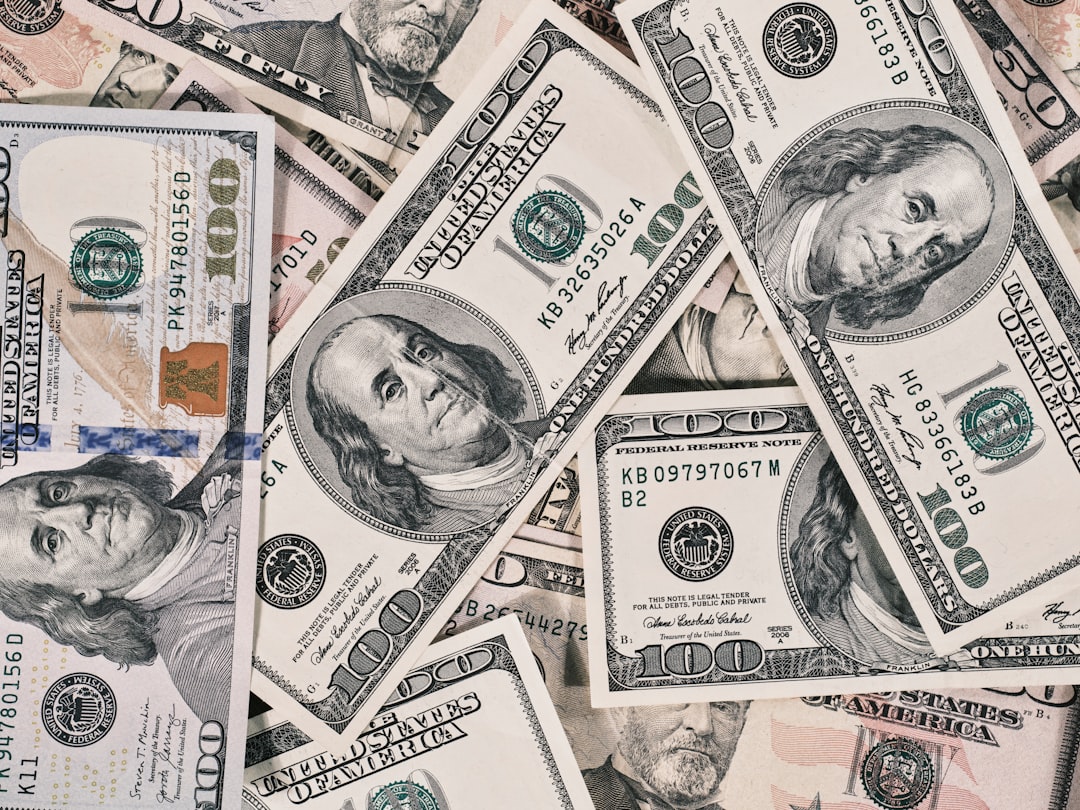
Currency exchange rates are pivotal in the realm of international travel and commerce. They determine how much one currency is worth in relation to another, influencing everything from the cost of a meal abroad to the price of souvenirs. Exchange rates fluctuate constantly due to various factors, including economic indicators, geopolitical stability, and market speculation. For travelers, understanding these rates is essential for budgeting and ensuring they get the most value for their money while abroad.
When planning a trip, it is crucial for travelers to familiarize themselves with the current exchange rates between their home currency and the destination’s currency. This knowledge can help them avoid unfavorable rates that may arise from currency exchanges at airports or tourist hotspots, where rates are often less favorable. By keeping an eye on the market trends and utilizing reliable financial news sources or currency converter apps, travelers can make informed decisions about when and where to exchange their money, ultimately maximizing their travel budget.
Using Credit Cards with No Foreign Transaction Fees
For many travelers, using a credit card that does not impose foreign transaction fees can be a game-changer. These fees, which can range from 1% to 3% of each transaction, can quickly add up and significantly increase the overall cost of a trip. By opting for a credit card that waives these fees, travelers can save money while enjoying the convenience of cashless transactions in foreign countries.
Moreover, many credit cards that offer no foreign transaction fees also come with additional perks such as travel rewards, purchase protection, and fraud liability coverage. This combination of benefits makes them an attractive option for those who frequently travel internationally. It is advisable for travelers to research and compare different credit card options before their trip, ensuring they select one that aligns with their spending habits and travel goals. By doing so, they can enjoy their travels without the burden of unexpected fees.
Researching the Best Exchange Rates
In the quest for the best exchange rates, travelers must be diligent in their research. The rates offered by banks, currency exchange offices, and online platforms can vary significantly, making it essential to compare options before making any transactions. Many financial institutions provide online tools that allow users to check current rates and even lock in favorable rates for future exchanges. This proactive approach can lead to substantial savings.
Additionally, travelers should be aware of the timing of their exchanges. Currency values can fluctuate based on economic news or events, so monitoring these changes can be beneficial. For instance, if a traveler knows they will be visiting a country where the currency is expected to strengthen against their home currency, they might choose to exchange money sooner rather than later. By staying informed and flexible, travelers can take advantage of favorable market conditions and secure better rates.
Utilizing Travel Rewards Programs

Travel rewards programs have become increasingly popular among frequent travelers, offering a way to earn points or miles that can be redeemed for flights, hotel stays, and other travel-related expenses. These programs are often tied to credit cards or airlines, allowing users to accumulate rewards through everyday spending. For those who travel internationally, these rewards can significantly enhance their travel experience by providing opportunities for upgrades or free accommodations.
To maximize the benefits of travel rewards programs, travelers should consider signing up for multiple programs that align with their travel habits. For example, if a traveler frequently flies with a particular airline, joining that airline’s loyalty program can yield significant rewards over time. Additionally, many credit cards offer bonus points for specific categories such as dining or travel purchases. By strategically using these cards and taking advantage of promotional offers, travelers can accelerate their point accumulation and enjoy more luxurious travel experiences without breaking the bank.
Avoiding Dynamic Currency Conversion
| Metric | Value | Unit | Notes |
|---|---|---|---|
| Currency Code | USD | ISO 4217 | Standard international currency code |
| Symbol | US | Symbol | Commonly represented as “” |
| Exchange Rate (to Euro) | 0.91 | EUR per USD | As of June 2024 |
| Exchange Rate (to Japanese Yen) | 140.25 | JPY per USD | As of June 2024 |
| Inflation Rate (US) | 3.2 | % Annual | Latest reported figure |
| Federal Reserve Interest Rate | 5.25 | % | Current benchmark rate |
| GDP (United States) | 26.9 | Trillion USD | Nominal GDP 2023 |
| US Dollar Circulation | 2.3 | Trillion USD | Physical currency in circulation |
Dynamic currency conversion (DCC) is a service offered by some merchants that allows travelers to pay in their home currency rather than the local currency. While this may seem convenient at first glance, it often comes with hidden costs that can lead to unfavorable exchange rates and additional fees. Travelers who opt for DCC may find themselves paying significantly more than if they had chosen to pay in the local currency.
To avoid falling into this trap, travelers should always opt to pay in the local currency when given the choice. This simple decision can save them money and ensure they receive a fair exchange rate based on current market conditions. Additionally, being aware of DCC practices can help travelers make informed decisions when using their credit cards or withdrawing cash abroad. By staying vigilant and informed, they can sidestep unnecessary expenses and enjoy their travels more fully.
Using ATMs Wisely
Using ATMs while traveling can be an efficient way to access local currency without incurring excessive fees associated with currency exchange services. However, not all ATMs are created equal, and travelers must exercise caution when withdrawing cash abroad. It is advisable for travelers to use ATMs affiliated with reputable banks to minimize the risk of fraud and ensure they receive competitive exchange rates.
Before using an ATM, travelers should also check with their bank regarding any international withdrawal fees that may apply. Some banks offer partnerships with foreign banks that allow customers to withdraw cash without incurring additional charges. Additionally, travelers should be mindful of their withdrawal limits and plan accordingly to avoid multiple transactions that could lead to higher fees. By being strategic about ATM usage, travelers can efficiently manage their cash flow while minimizing costs during their adventures.
Considering Prepaid Travel Cards
Prepaid travel cards have emerged as a popular alternative for managing money while traveling abroad. These cards allow users to load a specific amount of money onto the card in advance, which can then be used like a debit card for purchases or ATM withdrawals in foreign currencies. One of the primary advantages of prepaid travel cards is that they often come with no foreign transaction fees and provide a secure way to carry funds without the risk associated with carrying large amounts of cash.
Travelers should carefully research different prepaid card options before selecting one that suits their needs. Some cards offer features such as locking in exchange rates at the time of loading funds or providing emergency assistance in case of loss or theft. Additionally, many prepaid cards allow users to manage their accounts through mobile apps, making it easy to track spending and reload funds as needed. By considering prepaid travel cards as part of their financial strategy, travelers can enjoy peace of mind while exploring new destinations.
Being Mindful of Hidden Fees
Hidden fees can quickly erode a travel budget if not carefully monitored. From ATM withdrawal charges to foreign transaction fees on credit cards, these costs can add up unexpectedly during a trip. Travelers must remain vigilant about understanding all potential fees associated with their financial transactions abroad. This includes reading the fine print on credit card agreements and being aware of any charges that may apply when using certain services.
To mitigate hidden fees, travelers should prioritize transparency when selecting financial products for their trips. Choosing banks or credit cards known for low or no fees can significantly enhance the overall travel experience. Additionally, keeping track of expenses through budgeting apps or spreadsheets can help identify any unexpected charges early on. By being proactive and informed about potential hidden fees, travelers can better manage their finances and focus on enjoying their adventures without unnecessary financial stress.
FAQs
What is the dólar estadounidense?
The dólar estadounidense, also known as the United States dollar, is the official currency of the United States of America.
What is the symbol for the dólar estadounidense?
The symbol for the dólar estadounidense is “$” and the currency code is USD.
What denominations are used for the dólar estadounidense?
The dólar estadounidense is available in banknotes of $1, $5, $10, $20, $50, and $100, as well as coins of 1 cent (penny), 5 cents (nickel), 10 cents (dime), 25 cents (quarter), and higher denominations.
Is the dólar estadounidense widely accepted around the world?
Yes, the dólar estadounidense is one of the most widely accepted and traded currencies globally. It is commonly used in international trade and serves as a reserve currency for many countries.
What factors can influence the value of the dólar estadounidense?
The value of the dólar estadounidense can be influenced by various factors such as economic indicators, interest rates, political stability, trade policies, and global events. The currency market is highly volatile and the value of the dollar can fluctuate based on these factors.