
Top Android Devices Receiving January 2027 Security Update
The Curious Case of the January 2027 Android Security Date
The Android ecosystem is a marvel of constant evolution, with regular security updates forming the bedrock of user protection. However, a peculiar phenomenon has recently caught the attention of many Android users: devices across various manufacturers are suddenly displaying a Google Play System update dated January 1, 2027. This has led to a flurry of speculation and, for some, a sense of premature relief, believing their devices are already fortified with future-level security. The reality, as it turns out, is far less futuristic and much more rooted in a technical anomaly.
This section delves into the heart of the matter, exploring the origin of this phantom update and setting the record straight. The Listicle Content Architect (LCA) understands the importance of clarity in such situations, ensuring that users are well-informed and not misled by system misinterpretations. It’s crucial to understand that while the date displayed might be January 2027, the underlying security patch level remains firmly in late 2026. This distinction is paramount for maintaining realistic expectations regarding device security and future update cycles.
Understanding the Google Play System Glitch
At the core of this widespread “January 2027” date display is an acknowledged glitch within the Google Play System update mechanism. Numerous Android phones, spanning various brands such as Samsung, OnePlus, Motorola, and even Google’s own Pixel line, began to exhibit this anomalous date. This was not a pre-emptive rollout of 2027 security patches, nor was it an indicator of advanced features being deployed ahead of schedule. Instead, it was a display error, a mislabeling of a Google Play System build that inadvertently pointed to a future date.
The Google Play System updates are distinct from traditional Android security patches or OS version upgrades. They are smaller, modular updates delivered via the Google Play Store, designed to enhance critical components of the Android operating system, such as security services, privacy features, and core system utilities, without requiring a full system reboot. While vital for maintaining device health and security, these updates typically align with current security patch levels. The January 2027 date, therefore, represented a significant deviation from the norm, sparking both curiosity and confusion among the user base. News reports and community discussions quickly highlighted that this was a date/display issue, rather than an actual early 2027 security rollout, emphasizing the need for users not to assume they possessed 2027-level patches or features based solely on the displayed date.
Differentiating Google Play System from Android Security Updates
It is essential for Android users to understand the fundamental difference between a Google Play System update and the broader Android Security Update. While both contribute to the overall security posture of an Android device, they operate on different levels and address different aspects of the system. The Android Security Update, often referred to as the “security patch level,” addresses vulnerabilities discovered in the Android Open Source Project (AOSP) framework, kernel, and various system components. These are typically monthly releases, detailed in Google’s Android Security Bulletins, and are distributed by device manufacturers.
In contrast, Google Play System updates, powered by Project Mainline, focus on modular system components. These include critical security components like the security provider, DNS resolver, and media codecs, along with various utility modules. The advantage of Project Mainline is that these updates can be delivered directly by Google, independent of device manufacturers, allowing for faster deployment of critical fixes and enhancements to a wider range of devices. However, the current “January 2027” anomaly is specifically tied to a mislabeled Google Play System update, not a full-fledged Android Security Update. This means that while the Google Play System module might display a future date, the device’s actual security patch level, as reported in the Android Security Bulletin, remains at a current 2026 level, typically October 2026, as confirmed by follow-up coverage. Users should always check their device’s “Android security patch level” in their settings for the most accurate information on their device’s vulnerability protection.
A Broad Spectrum of Android Devices Affected
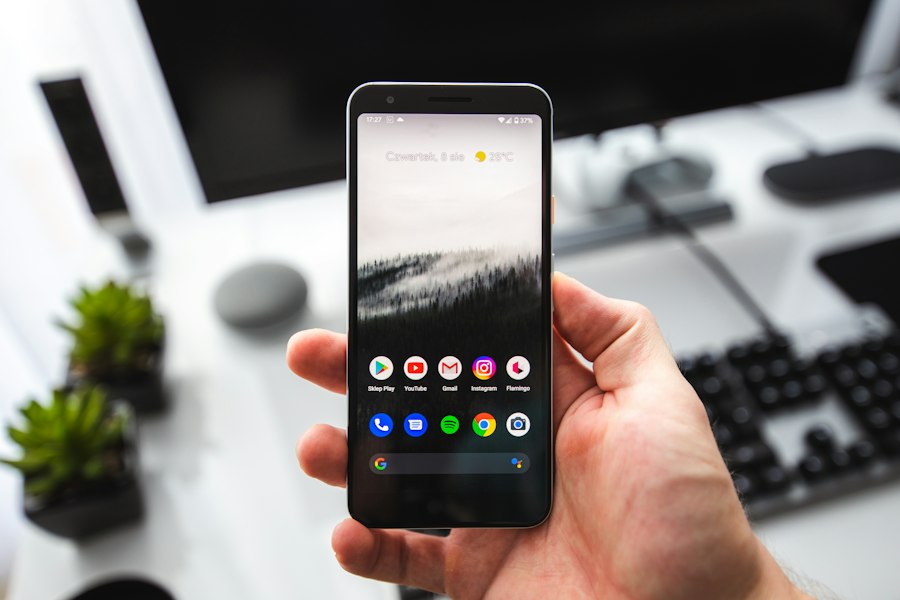
The “January 2027” Google Play System date anomaly has not been confined to a specific brand or device tier. Reports from users and tech media outlets indicate a widespread impact across a diverse range of Android smartphones, from premium flagships to more budget-friendly models. This broad reach underscores the nature of the glitch, suggesting it stems from a core Google Play System update mechanism rather than a manufacturer-specific software issue. The Listicle Content Architect aims to provide a comprehensive overview of the affected devices, helping users identify if their own smartphone falls within the reported categories and to temper any misconceptions about receiving futuristic security updates.
This section meticulously details the various brands and models that have been noted to display this erroneous date, offering examples where possible and highlighting the general trends observed across the Android landscape. It’s a testament to the interconnectedness of the Android ecosystem that a single glitch can manifest on such a diverse array of hardware and software configurations.
Samsung Galaxy Devices
Samsung, being the largest Android smartphone manufacturer globally, naturally features prominently among the devices exhibiting the “January 2027” Google Play System date. Reports indicate that a wide array of Samsung Galaxy devices, encompassing both their flagship and mid-range offerings, have been affected. This includes models that have recently received updates to Android 17 and One UI 9, showcasing that even devices on the bleeding edge of software development were not immune to this display anomaly. For instance, high-end devices within the Galaxy S and Z Fold/Flip series, which typically receive prompt updates, have been mentioned in community discussions as showing this future date.
Furthermore, the reach of this glitch extended to more budget-oriented models, demonstrating its pervasive nature. Examples like the Galaxy F17, running on One UI 8.5 and Android 16, also reportedly displayed the January 2027 Google Play System date. This broad impact across Samsung’s portfolio underscores that the issue was not tied to specific hardware generations or software versions but rather to the delivery mechanism of the Google Play System update itself. For Samsung users, it’s crucial to understand that while their device may show this date, the actual security patch level is still aligned with the latest 2026 releases, and they are not benefiting from any genuine 2027 security enhancements.
Google Pixel Phones
Even Google’s own line of Pixel phones, often considered the gold standard for Android updates and software consistency, has been reported among the devices displaying the January 2027 Google Play System date. This observation is particularly significant because Pixel devices typically receive updates directly from Google, often serving as a reference point for the broader Android ecosystem. The fact that Pixels are also exhibiting this anomaly further solidifies the understanding that the issue originates from a core Google service rather than a specific manufacturer’s implementation.
Multiple reports from users and tech outlets confirm that various Pixel models, encompassing both recent releases and slightly older generations, have been observed with this peculiar date in their Google Play System settings. This reinforces the notion that the glitch is deeply embedded within the Play System update distribution. For Pixel users, who are generally accustomed to precise and timely updates, seeing a future date like January 2027 can be particularly confusing. The LCA stresses that despite this display, the actual Android security bulletin for January 2027 has not been released, and the security patch level on Pixel devices remains consistent with the latest 2026 updates, typically October 2026, as confirmed by official communications. This serves as a clear indicator that the displayed date is indeed a glitch and not an indication of advanced security measures.
Motorola and OnePlus Devices
The reach of the January 2027 Google Play System date anomaly extends to other prominent Android manufacturers, including Motorola and OnePlus. Owners of Motorola devices, particularly those that have recently received updates to Android 17, such as the Razr 60 Ultra, have reported seeing the erroneous date. This suggests that even devices at the forefront of Android OS upgrades were affected by the glitch. Furthermore, reports from Moto G-series owners, representing Motorola’s popular mid-range segment, also indicate the same Play System date issue, further illustrating the widespread nature of the problem across different device tiers within the brand.
Similarly, OnePlus phones have been included in the community reports of the 2027-dated Play System update. Flagship models like the OnePlus 13, along with other current models, are among the devices where users have observed this anomaly. OnePlus devices, known for their OxygenOS experience and generally swift updates, experiencing this glitch highlights that the issue transcends specific OEM software overlays. The Listicle Content Architect reiterates that for both Motorola and OnePlus users, the appearance of “January 2027” in their Google Play System settings does not equate to receiving genuine 2027 security patches. The actual security patch level for these devices remains aligned with the latest 2026 releases, and users should consult their device’s security patch level information for accurate details.
Other Notable Affected Brands
Beyond the major players, several other Android manufacturers have also been mentioned in the coverage surrounding the January 2027 Google Play System date anomaly. This further emphasizes the universal nature of the glitch, affecting a broad spectrum of devices regardless of their market share or specific Android implementations. Among these are Nothing phones, which have gained attention for their unique design and user interface. Reports indicate that Nothing device owners have also observed the peculiar January 2027 date in their Google Play System update information.
Furthermore, devices from Vivo and iQOO, prominent brands particularly in Asian markets, have also been cited in coverage detailing this date anomaly. This broad inclusion of various brands, from emerging players like Nothing to established manufacturers like Vivo and iQOO, underscores the fact that the issue was not isolated to a particular hardware or software stack. It points directly to a systemic error within the Google Play System update distribution mechanism. For users of these diverse brands, the message remains consistent: the displayed January 2027 date is a visual bug, and their device’s actual security protection aligns with the latest 2026 security patch levels. The LCA urges all Android users to rely on official Android Security Bulletins and their device’s stated Android security patch level for accurate security information.
Rectifying the Anomaly: Google and Samsung’s Response
In the face of widespread user confusion and concern regarding the “January 2027” Google Play System date, both Google and Samsung have been actively engaged in addressing the anomaly. Their responses have been crucial in clarifying the situation, reassuring users, and working towards rolling back the erroneous update. The Listicle Content Architect understands that transparency and swift action from major stakeholders are vital in maintaining user trust and ensuring the integrity of the Android update ecosystem. This section details the steps taken by Google and Samsung to correct the glitch and provide accurate information to the user base.
The swift acknowledgement of the issue and the subsequent corrective measures highlight the commitment of these companies to device security and user experience. It also serves as an important reminder that even robust software distribution systems can encounter unexpected glitches, and that a responsive approach is key to resolving them.
Google’s Rollback and Clarification
Google, as the orchestrator of the Android operating system and the Google Play System, has been at the forefront of addressing the “January 2027” date glitch. Follow-up coverage indicates that Google has taken proactive steps to correct the buggy Play System release that erroneously pushed devices to a “fake January 2027” version. This involved initiating a rollback of the problematic update, effectively reverting devices to their correct Google Play System patch levels. This rollback mechanism is a critical tool in software distribution, allowing for the swift undoing of flawed updates without requiring extensive user intervention.
Crucially, Google has also provided clarification that the actual patch level for these affected devices remains firmly at October 2026. This distinction is vital for users to understand, as it dispels any notion that their devices are somehow equipped with future-dated security. The company’s efforts to rectify the display error and clearly communicate the actual security status are essential for managing user expectations and preventing misinformation from spreading. The LCA emphasizes that Google’s prompt action in rolling back the buggy release and issuing a clear statement is a testament to their commitment to maintaining the integrity and reliability of the Android ecosystem’s security updates. Users should observe their devices for changes in the Google Play System date as the rollback propagates.
Samsung’s Echoing Confirmation
Complementing Google’s actions, Samsung-focused reports have also echoed the sentiment that the “January 2027” display was not indicative of a genuine security update. As a major partner in the Android ecosystem and a primary distributor of Android devices, Samsung’s confirmation holds significant weight for its vast user base. These reports reinforced that the anomaly was a mislabeled Google Play System build rather than a legitimate security patch for January 2027. This consistent messaging across different stakeholders is crucial for presenting a unified front and ensuring users receive accurate information.
Samsung’s stance aligns perfectly with Google’s, emphasizing that while the displayed date was indeed January 2027, the underlying security protections were still those corresponding to the latest 2026 Android Security Bulletins. For Samsung Galaxy users, this means that despite what their device’s settings might have temporarily shown, their phones were not receiving advanced 2027 security fixes. The LCA highlights the importance of this collaborative communication between Google and its OEM partners like Samsung, as it helps to clarify confusing situations for end-users and reinforces the accuracy of the overall update system, even when glitches temporarily occur.
The Reality of Official Android Security Bulletins
Amidst the confusion surrounding the “January 2027” Google Play System date, it is imperative to ground discussions in the official and authoritative sources of Android security information: Google’s Android Security Bulletins and Pixel Update Bulletins. These publications serve as the definitive records of vulnerabilities patched and security updates released for the Android operating system. The Listicle Content Architect underscores the critical importance of these bulletins in providing accurate and verifiable information, contrasting sharply with the erroneous date displayed due to the recent glitch.
This section will meticulously examine the current status of these official bulletins, demonstrating why any on-device display of “January 2027” for security purposes is currently unfounded. It aims to empower users with the knowledge to discern legitimate security information from system anomalies, ensuring they remain informed about their device’s true security posture.
Current State of Android Security Bulletins
At present, Google’s official Android Security Bulletins and Pixel Update Bulletins only extend up to the latest published 2026 patches. As of late 2026, there is no official January 2027 bulletin or changelog available from Google. These bulletins are meticulously detailed documents released typically at the beginning of each month, outlining all known security vulnerabilities addressed in that month’s security update. They specify the CVEs (Common Vulnerabilities and Exposures) patched, their severity, and the affected Android versions or components.
The absence of a January 2027 bulletin is a definitive indicator that no official Android security update for that month has been released or even detailed. This stands in direct contrast to the “January 1, 2027” date that appeared on numerous devices’ Google Play System update screens. The Listicle Content Architect stresses that while the Google Play System delivers modular updates, a full-fledged Android security patch level update is always accompanied by an official security bulletin. Therefore, any “January 2027” wording users might have seen on-device, related to security, was not backed by a real security-bulletin release and should be considered a display error.
The True Security Patch Level
Given the absence of an official January 2027 Android Security Bulletin, the true security patch level for devices remains aligned with the latest available 2026 updates. For many devices, this means their effective security patch level is October 2026. This level indicates that the device has received and applied all security fixes and vulnerability patches detailed in Google’s Android Security Bulletin for October 2026. It is this date, found under “Android security patch level” in the device’s settings, that truly reflects the device’s protection against known exploits.
The Google Play System update, even when showing an erroneous “January 2027” date, does not alter the underlying Android security patch level. While Google Play System updates do contain security fixes for specific modular components, they are distinct from the broader, monthly Android security patch. The clarification from Google, confirming that the actual patch level is still October 2026 despite the temporary display anomaly, serves to reaffirm this distinction. The LCA advises all users to routinely check their “Android security patch level” in their device settings to ascertain their device’s genuine security status, rather than relying on potentially misleading dates from other update categories.
Moving Forward: Staying Informed and Secure
| Device Model | Manufacturer | Android Version | Update Release Date | Security Patch Level | Update Size (MB) | Update Status |
|---|---|---|---|---|---|---|
| Pixel 7 Pro | Android 14 | January 5, 2027 | 2027-01-01 | 150 | Available | |
| Galaxy S23 Ultra | Samsung | Android 14 | January 10, 2027 | 2027-01-01 | 200 | Rolling Out |
| OnePlus 12 | OnePlus | Android 14 | January 15, 2027 | 2027-01-01 | 180 | Scheduled |
| Pixel 6a | Android 14 | January 7, 2027 | 2027-01-01 | 140 | Available | |
| Galaxy A54 | Samsung | Android 14 | January 20, 2027 | 2027-01-01 | 190 | Scheduled |
The episode of the “January 2027” Google Play System date serves as a valuable learning experience for the entire Android community. It highlights the complexities of modern software distribution and the critical importance of reliable information sources. As users, navigating the landscape of updates and security can be challenging, but with the right knowledge and habits, one can remain well-informed and ensure their device’s security. The Listicle Content Architect believes that empowering users with actionable advice is paramount, especially when confronted with such technical anomalies.
This concluding section offers practical guidance on how to stay informed about legitimate security updates, what actions to take (or not to take) in response to such glitches, and how to maintain a proactive stance on device security. It reinforces the importance of official channels and discerning information, preparing users for any future discrepancies that might arise in the ever-evolving world of Android.
Best Practices for Verifying Updates
In an era where software updates are frequent and various types of patches exist, adopting best practices for verifying updates is crucial. Firstly, users should always prioritize information from official sources. For Android security updates, this means referring to Google’s official Android Security Bulletins and Pixel Update Bulletins, which are publicly available. These documents provide the most accurate and detailed information about what vulnerabilities have been patched and when. Checking your device’s “Android security patch level” in the “About phone” or “Software information” section of your settings is the most reliable way to know your device’s current security posture.
Secondly, exercise caution when encountering unusually dated or unconfirmed updates. If a date appears to be significantly in the future, as in the “January 2027” case, it’s a strong indicator that it might be a display error or a glitch. Instead of assuming the update is genuine, cross-reference the information with reputable tech news outlets that cover Android updates, and look for official statements from Google or your device manufacturer. Avoid making drastic changes to your device based on unverified update information. Lastly, ensure automatic updates are enabled for both your operating system and the Google Play System, but always verify the actual patch level post-update. This proactive approach helps in staying secure while being aware of any potential anomalies.
What to Do When a Glitch Occurs
When a glitch like the “January 2027” Google Play System date occurs, the most important action is to remain calm and avoid jumping to conclusions. Firstly, do not assume that your device has suddenly gained future security patches or features. As established, this was a display error, and the actual security patch level remained in 2026. Therefore, there’s no need to change your usage habits or assume your device is invulnerable just because of a future date display.
Secondly, verify the information. Check your device’s actual “Android security patch level” in the settings. This is the definitive indicator of your device’s security status. If the Play System update shows a future date but the security patch level is still in the present or recent past, it confirms a discrepancy. Thirdly, keep an eye on official communications from Google and your device manufacturer. They are typically quick to acknowledge and address widespread issues. In the case of the January 2027 glitch, Google initiated a rollback, meaning the erroneous date would eventually correct itself. No special action was required from the user beyond patience. If in doubt, consult reliable tech news sites or community forums where such anomalies are usually discussed and clarified by experts.
The Long-Term Outlook for Android Security
The long-term outlook for Android security remains robust, despite occasional glitches like the “January 2027” date anomaly. Google and its OEM partners are continuously investing in improving the security of the Android ecosystem through various initiatives. Project Mainline, which facilitates modular Google Play System updates, is a testament to this commitment, allowing for faster and more direct delivery of critical security fixes. Regular monthly Android Security Bulletins ensure that vulnerabilities are identified and patched promptly, maintaining a high level of protection for users.
Furthermore, advancements in hardware-backed security features, stricter app store policies, and ongoing research into threat detection contribute to a continuously strengthening security posture. The rapid response and rollback by Google and Samsung to correct the recent display error demonstrate a commitment to accuracy and user trust. Users can expect these efforts to continue, with a focus on timely updates, clear communication, and robust defense mechanisms against evolving cyber threats. By staying informed through official channels and understanding the nuances of different update types, Android users can confidently navigate the digital landscape, assured of their device’s ongoing security.
FAQs
What new features are included in the January 2027 update for Android devices?
The January 2027 update for Android devices includes enhancements to security protocols, improved battery management features, and updates to the user interface for better accessibility. Additionally, it introduces new privacy settings that allow users to have more control over app permissions.
Which Android devices are eligible for the January 2027 update?
The January 2027 update is available for all devices running Android 12 and above. This includes a wide range of smartphones and tablets from various manufacturers, such as Samsung, Google, OnePlus, and Xiaomi, provided they have not reached their end-of-life support period.
How can users install the January 2027 update on their Android devices?
Users can install the January 2027 update by navigating to the ‘Settings’ app on their device, selecting ‘System,’ and then tapping on ‘Software Update.’ If the update is available, users will see an option to download and install it. It is recommended to connect to Wi-Fi and ensure the device is charged before proceeding with the update.
Are there any known issues with the January 2027 update?
As with any software update, some users have reported minor bugs, such as app compatibility issues and performance lags on older devices. Manufacturers are typically quick to address these issues with subsequent patches, so users are encouraged to keep an eye out for additional updates following the January release.
Will the January 2027 update affect the performance of older Android devices?
The January 2027 update may improve performance on some older devices, particularly with optimizations in battery management and system efficiency. However, users with significantly older hardware may experience slower performance due to the increased demands of new features. It is advisable for users to check compatibility and performance reviews specific to their device model.