
10 Fascinating Facts About Catherine, Princess of Wales

Diana Frances Spencer was born on July 1, 1961, into an aristocratic family with deep ties to the British royal family. Her father, John Spencer, was the 8th Earl Spencer, and her mother, Frances, was a member of the noble family of the Viscounts Althorp. Growing up in a privileged environment, Diana was exposed to the intricacies of high society from an early age. Her childhood was marked by both privilege and turmoil; her parents’ tumultuous marriage ended in divorce when she was just seven years old, a situation that would shape her understanding of relationships and family dynamics.
Diana’s formative years were spent at the Spencer family estate, Althorp, where she developed a love for nature and animals. She attended several prestigious schools, including the exclusive West Heath School, where she struggled academically but excelled in sports and music. Her early experiences instilled in her a sense of compassion and empathy, qualities that would later define her public persona. By the time she reached her teenage years, Diana had begun to carve out her identity, often described as shy yet warm-hearted, traits that endeared her to those around her.
Marriage to Prince Charles
In 1980, Diana’s life took a dramatic turn when she began dating Prince Charles, the heir to the British throne. Their courtship was closely followed by the media, capturing the public’s imagination with its fairy-tale allure. The couple became engaged in February 1981, and their wedding on July 29 of that year was a grand spectacle watched by millions around the world. The event was marked by its opulence and grandeur, with Diana wearing a stunning gown that would become iconic in its own right. The marriage was initially celebrated as a union of love and hope for the future of the monarchy.
However, as time went on, it became increasingly clear that the marriage was fraught with difficulties. Diana struggled to adapt to the rigid protocols of royal life and often felt isolated within the royal family. Charles’s ongoing relationship with Camilla Parker Bowles added strain to their union, leading to a growing sense of discontent for Diana. Despite her struggles, she endeavored to fulfill her royal duties and maintain a public façade of happiness. The contrast between her public persona and private turmoil became a central theme in her life, ultimately leading to their separation in 1992 and divorce in 1996.
Charitable Work and Advocacy

Throughout her life, Diana was deeply committed to charitable work and advocacy, using her platform to raise awareness for various causes. After marrying Prince Charles, she quickly became involved in numerous charitable organizations, focusing on issues such as homelessness, HIV/AIDS awareness, and landmine removal. Her hands-on approach and genuine compassion resonated with people from all walks of life, allowing her to connect with those in need on a personal level.
One of Diana’s most significant contributions was her work with AIDS patients during a time when the disease was heavily stigmatized. By openly engaging with individuals affected by HIV/AIDS, she helped to humanize the issue and challenge societal prejudices. Her famous visit to an AIDS ward in 1987, where she shook hands with an infected patient without gloves, was a groundbreaking moment that changed public perceptions about the disease. Diana’s advocacy extended beyond health issues; she also championed causes related to children’s welfare and mental health, leaving an indelible mark on the charitable landscape.
Tragic Death
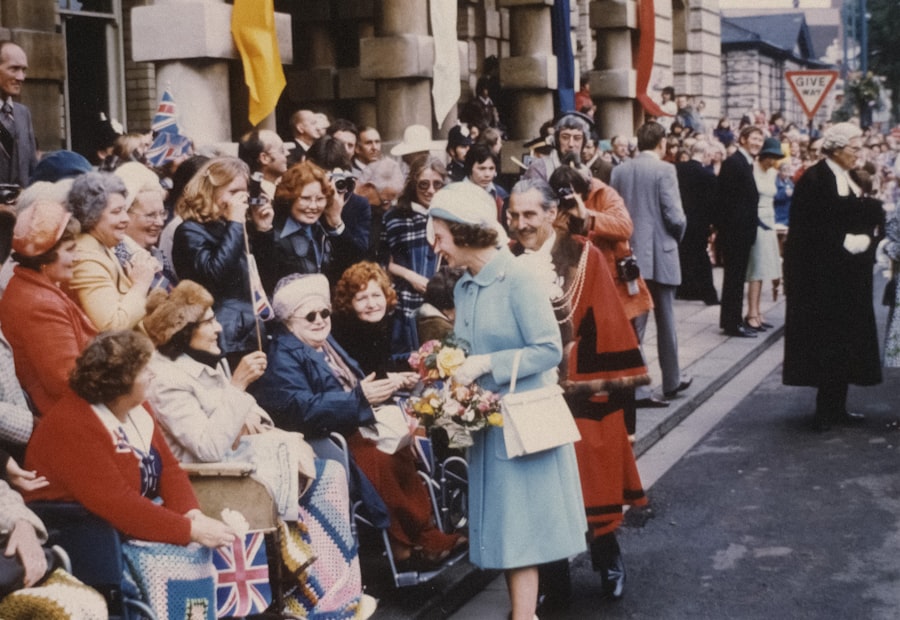
On August 31, 1997, the world was rocked by the tragic news of Princess Diana’s death in a car accident in Paris. The circumstances surrounding her death were shrouded in controversy and speculation, leading to widespread mourning across the globe. Diana was traveling with her companion Dodi Fayed when their vehicle crashed in the Pont de l’Alma tunnel while being pursued by paparazzi. The shocking nature of her death sent waves of grief through millions who had admired her for her grace and compassion.
In the aftermath of her passing, public outpourings of grief were unprecedented. Flowers were laid at Buckingham Palace and Kensington Palace as people from all walks of life came together to honor her memory. The funeral service held at Westminster Abbey drew an estimated 2.5 billion viewers worldwide, highlighting the profound impact she had on people’s lives. Diana’s death not only marked the end of an era but also ignited discussions about media ethics and the relentless pursuit of celebrity by the press.
Legacy and Influence
| Category | Metric |
|---|---|
| Birthdate | January 9, 1982 |
| Marriage | April 29, 2011 |
| Children | 3 |
| Titles | Princess of Wales, Duchess of Cambridge |
| Charity Work | Supports various charitable organizations |
Diana’s legacy continues to resonate long after her untimely death. She is remembered not only as a beloved member of the royal family but also as a humanitarian who used her influence to effect change. Her approach to charity work set a new standard for public figures, demonstrating that compassion and empathy could be powerful tools for social change. Many organizations continue to honor her memory by carrying forward her mission of helping those in need.
Moreover, Diana’s influence can be seen in how subsequent generations of royals engage with charitable causes. Her sons, Princes William and Harry, have embraced their mother’s legacy by championing mental health awareness and supporting various charitable initiatives. The establishment of The Diana Award in 1999 further solidified her commitment to empowering young people and fostering positive change in society. Through these efforts, Diana’s spirit lives on, inspiring countless individuals to make a difference in their communities.
Controversies and Scandals
Despite her widespread popularity, Diana’s life was not without its controversies and scandals. The intense scrutiny from the media often blurred the lines between public interest and personal privacy. Her struggles with mental health issues, including bulimia and depression, were sensationalized by tabloids, leading to further distress for the princess. The relentless pursuit of her personal life by journalists created an environment where she often felt trapped and vulnerable.
The revelations surrounding her marriage to Prince Charles also fueled public fascination and speculation. In interviews and documentaries following their separation, Diana candidly discussed her experiences within the royal family, shedding light on the challenges she faced as a young woman thrust into such a demanding role. These disclosures not only captivated audiences but also sparked debates about the responsibilities of public figures and their right to privacy. Ultimately, these controversies contributed to a complex narrative surrounding Diana’s life—one that encompassed both admiration and criticism.
Fashion and Style Icon
Diana’s impact extended beyond her humanitarian efforts; she also became a global fashion icon whose style choices were closely followed by fans and fashion enthusiasts alike. From her early days as a young bride to her evolution into a sophisticated royal figure, Diana’s wardrobe reflected both her personality and the changing times. Designers such as Catherine Walker and Versace created stunning ensembles that showcased her elegance while also allowing her individuality to shine through.
Her fashion choices often made headlines; whether it was the iconic “revenge dress” she wore to an event shortly after Charles’s admission of infidelity or the glamorous gowns she donned for state occasions, each outfit told a story. Diana’s ability to blend high fashion with accessible styles resonated with women around the world, making her a relatable figure despite her royal status. Even today, designers draw inspiration from her timeless looks, ensuring that her influence on fashion endures.
Motherhood and Family Life
At the heart of Diana’s life was her role as a mother to Princes William and Harry. Despite the pressures of royal life, she prioritized her children’s well-being above all else. Diana sought to provide them with a sense of normalcy amidst their extraordinary circumstances; she often took them on outings away from royal duties and encouraged them to engage with people from diverse backgrounds. Her parenting style emphasized love, support, and open communication—values that have shaped both William and Harry into compassionate leaders.
Diana’s relationship with her sons was characterized by warmth and affection; she instilled in them a sense of duty toward others while also encouraging them to pursue their passions. Even after her passing, both princes have spoken fondly of their mother’s influence on their lives and how they strive to honor her legacy through their charitable work and family values. In this way, Diana’s impact continues through the next generation as they navigate their roles within the royal family while remaining committed to making a positive difference in the world.
In conclusion, Princess Diana remains an enduring figure whose life story is marked by triumphs and tribulations alike. From her early years steeped in privilege to her tragic death that shocked the world, Diana’s journey is one of resilience and compassion. Her legacy as a humanitarian, fashion icon, and devoted mother continues to inspire people globally while serving as a reminder of the complexities inherent in public life. Through both her achievements and challenges, Diana Frances Spencer has left an indelible mark on history that will not soon be forgotten.
FAQs
Who is Catherine, Princess of Wales?
Catherine, Princess of Wales, is the wife of Prince William, Duke of Cambridge. She was born Catherine Elizabeth Middleton on January 9, 1982, in Reading, Berkshire, England.
How did Catherine become Princess of Wales?
Catherine became Princess of Wales upon her marriage to Prince William, who is second in line to the British throne. Their wedding took place on April 29, 2011, at Westminster Abbey in London.
What is Catherine’s role as Princess of Wales?
As Princess of Wales, Catherine is involved in various charitable and humanitarian efforts. She also represents the royal family at official events and engagements both domestically and internationally.
What are some of Catherine’s notable achievements as Princess of Wales?
Catherine has been an advocate for mental health awareness and has worked to support initiatives aimed at improving mental health services. She has also been involved in promoting children’s welfare and early childhood development.
How is Catherine’s public image and role perceived by the public?
Catherine is generally well-regarded by the public and is often praised for her grace, poise, and dedication to her royal duties. She is seen as a positive and influential figure within the royal family.