
10 Muse-ical Ways to Spark Your Creativity

Creativity is a remarkable force that transcends boundaries and ignites the human spirit. It is the spark that fuels innovation, the catalyst for change, and the bridge that connects diverse ideas and cultures. In a world that often prioritizes logic and structure, creativity offers a refreshing perspective, allowing individuals to explore their innermost thoughts and emotions. It is not merely confined to the realm of artists and musicians; rather, it is an essential component of problem-solving and critical thinking in every field. The power of creativity lies in its ability to inspire, heal, and transform lives, making it a vital aspect of the human experience.
In today’s fast-paced society, where distractions abound and stress levels soar, nurturing creativity can be a challenge. However, it is crucial to recognize that creativity is not an innate talent reserved for a select few; it is a skill that can be cultivated and developed over time. By engaging in practices that foster creative thinking, individuals can unlock their potential and tap into a wellspring of ideas. This article will explore various methods to enhance creativity, from mindful meditation to collaboration with other creative minds, providing readers with practical tools to unleash their imaginative capabilities.
Engage in Mindful Meditation
Mindful meditation serves as a powerful tool for enhancing creativity by fostering a state of mental clarity and focus. When individuals take the time to quiet their minds and engage in deep breathing exercises, they create space for new ideas to emerge. This practice encourages individuals to observe their thoughts without judgment, allowing them to break free from the constraints of conventional thinking. By cultivating mindfulness, one can tap into a deeper level of consciousness where creativity flourishes.
Moreover, mindful meditation helps reduce stress and anxiety, which are often significant barriers to creative expression. When the mind is cluttered with worries and distractions, it becomes challenging to think outside the box. By dedicating time to meditation, individuals can clear their mental fog and create an environment conducive to innovative thinking. Regular practice can lead to heightened awareness and improved emotional regulation, enabling individuals to approach creative challenges with a fresh perspective.
Surround Yourself with Inspiring Art and Music

The environment in which one immerses oneself plays a crucial role in shaping creative thought. Surrounding oneself with inspiring art and music can stimulate the imagination and evoke powerful emotions. Art has the unique ability to transcend language and cultural barriers, offering a visual representation of complex ideas and feelings. Whether it is a vibrant painting or a thought-provoking sculpture, engaging with art can ignite inspiration and encourage individuals to explore their own creative expressions.
Similarly, music has a profound impact on mood and cognition. Different genres can evoke various emotions, from joy to introspection, providing a backdrop for creative exploration. Listening to uplifting melodies or soothing harmonies can enhance focus and motivation, while also serving as a source of comfort during moments of self-doubt. By curating an environment filled with artistic influences, individuals can create a sanctuary for creativity to thrive.
Experiment with Different Artistic Mediums
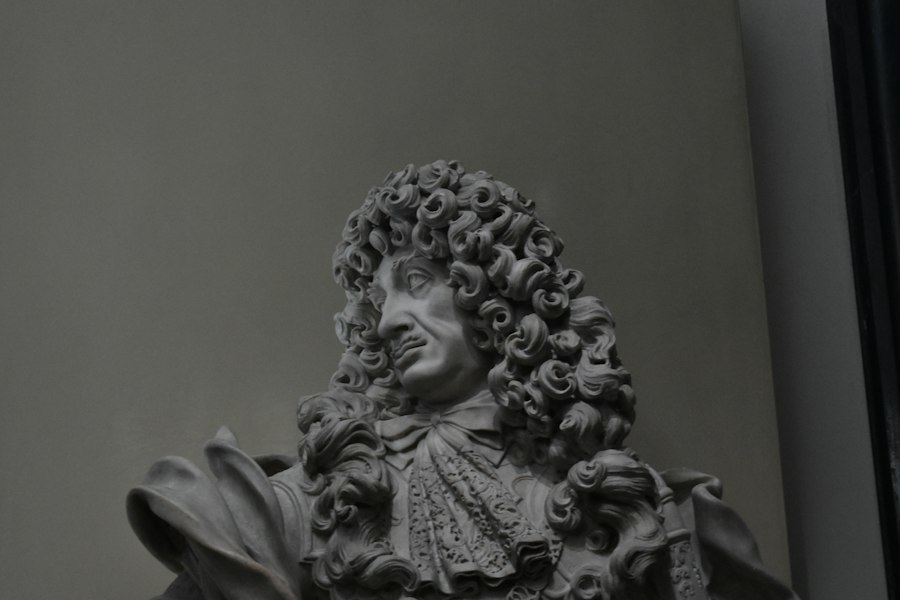
One of the most effective ways to enhance creativity is through experimentation with different artistic mediums. Each medium offers unique possibilities for expression, allowing individuals to discover new techniques and styles that resonate with them. Whether it is painting, sculpting, writing, or digital design, exploring various forms of art can lead to unexpected breakthroughs in creative thinking.
Engaging in diverse artistic practices encourages individuals to step outside their comfort zones and embrace the unknown. This willingness to experiment fosters a sense of playfulness that is essential for creativity. For instance, a painter may find inspiration in the tactile nature of clay while sculpting, or a writer may discover new narrative techniques through visual storytelling. By embracing the process of experimentation, individuals can unlock new dimensions of their creativity and develop a more versatile artistic voice.
Take a Nature Walk for Inspiration
| Metric | Description | Value | Unit |
|---|---|---|---|
| Brainwave Frequency | Range of brainwave frequencies detected by Muse | 0.5 – 50 | Hz |
| EEG Channels | Number of EEG sensors in Muse headband | 4 | Channels |
| Battery Life | Duration of continuous use on a full charge | 5 | Hours |
| Sampling Rate | Frequency at which EEG data is sampled | 256 | Hz |
| Latency | Time delay in data transmission | ~50 | Milliseconds |
| Connectivity | Wireless connection type | Bluetooth Low Energy | – |
Nature has long been recognized as a source of inspiration for artists and thinkers alike. Taking a nature walk allows individuals to disconnect from the hustle and bustle of daily life and reconnect with the natural world. The sights, sounds, and scents of nature can awaken the senses and stimulate creative thought. Whether it is the rustling of leaves in the wind or the vibrant colors of blooming flowers, nature offers an endless array of inspiration.
Moreover, spending time outdoors has been shown to have numerous mental health benefits, including reduced stress levels and improved mood. This sense of tranquility can create an ideal mental state for creative exploration. As individuals immerse themselves in nature’s beauty, they may find themselves reflecting on their thoughts and emotions in new ways, leading to fresh ideas and insights. Nature walks provide an opportunity for introspection while simultaneously fostering a sense of wonder that can fuel creative endeavors.
Collaborate with Other Creative Minds
Collaboration is a powerful catalyst for creativity, as it brings together diverse perspectives and ideas. Working alongside other creative minds can lead to innovative solutions that may not have been possible in isolation. Collaboration encourages individuals to share their unique strengths while also learning from one another’s experiences. This exchange of ideas can spark new concepts and inspire individuals to think beyond their usual boundaries.
In collaborative settings, individuals are often challenged to articulate their thoughts clearly and consider alternative viewpoints. This process not only enhances communication skills but also fosters an environment where creativity can thrive. Whether through brainstorming sessions or joint projects, collaboration allows for the blending of different artistic styles and techniques, resulting in rich and multifaceted outcomes. By embracing collaboration, individuals can expand their creative horizons and cultivate meaningful connections within their artistic communities.
Attend Workshops and Creative Events
Participating in workshops and creative events provides individuals with opportunities to learn new skills while also connecting with like-minded individuals. These gatherings often feature experienced instructors who share valuable insights and techniques that can enhance one’s artistic practice. Workshops create an immersive environment where participants can experiment with new ideas in a supportive setting.
Moreover, attending creative events such as art exhibitions or music festivals exposes individuals to a wide range of artistic expressions. These experiences can serve as powerful sources of inspiration, allowing attendees to witness firsthand the diverse ways in which creativity manifests itself. Engaging with other artists and creatives at these events fosters a sense of community that can be incredibly motivating. By surrounding themselves with passionate individuals who share similar interests, participants are more likely to feel inspired to pursue their own creative endeavors.
Practice Gratitude and Self-Care for a Clear Mind
In the pursuit of creativity, it is essential for individuals to prioritize self-care and cultivate an attitude of gratitude. Taking time for oneself allows for reflection and rejuvenation, which are vital components of the creative process. Engaging in self-care practices such as exercise, healthy eating, and adequate rest can significantly impact one’s mental clarity and emotional well-being.
Practicing gratitude also plays a crucial role in fostering creativity. By acknowledging the positive aspects of life, individuals can shift their focus away from negativity and self-doubt. This shift in perspective opens up space for new ideas to flourish. Keeping a gratitude journal or taking moments throughout the day to reflect on what one is thankful for can enhance overall happiness and satisfaction. When individuals approach their creative pursuits with a grateful heart, they are more likely to embrace challenges as opportunities for growth rather than obstacles.
In conclusion, nurturing creativity requires intentional effort and exploration across various dimensions of life. From engaging in mindful meditation to collaborating with others, each method offers unique pathways for unlocking one’s creative potential. By embracing these practices, individuals can cultivate an environment where creativity thrives—ultimately leading to personal growth and fulfillment in both artistic endeavors and everyday life.
FAQs
What is a muse?
A muse is a person, typically a woman, who serves as an inspiration for artists, writers, musicians, or other creative individuals.
Can a muse be a man?
Yes, a muse can be of any gender. While historically muses were often depicted as women, in modern times, muses can be of any gender.
How does a muse inspire creativity?
A muse can inspire creativity in various ways, such as through their beauty, personality, intelligence, or unique perspective. Their presence can spark ideas and motivate artists to create.
Are muses always real people?
Muses can be real people, fictional characters, or even abstract concepts. Some artists may find inspiration in a specific person, while others may be inspired by an idea or emotion.
Do all artists have a muse?
Not all artists have a muse. While some artists may find inspiration from a specific person or source, others may draw creativity from within themselves or from their surroundings. Muses are not a requirement for artistic creation.