"I'll buy 10 of those"—NASA science chief yearns for mass-produced satellites
But what about spacecraft flying on more well-trodden paths to the Moon, Mars, Venus, or the asteroid belt? “What can we do with these commercial off-the-shelf buses? I would love to walk in and say, ‘I’ll buy 10 of those,’” Fox said.
NASA is looking at “block buys” for the next series of commercial missions to the Moon. These privately owned landers and orbiters, part of the Commercial Lunar Payload Services (CLPS) program, carry NASA-owned payloads. They are precursors for future human exploration. After the Moon, Mars is the next destination that could use the CLPS model.
“Mars is sort of an obvious next one,” Fox said. “Why can’t I do that with a mission going somewhere else, and say, ‘Hey, who wants to take these instruments here?’ I’m actually really excited about the possibilities that the commercial sector open up to us.”
Credit:
Blue Origin
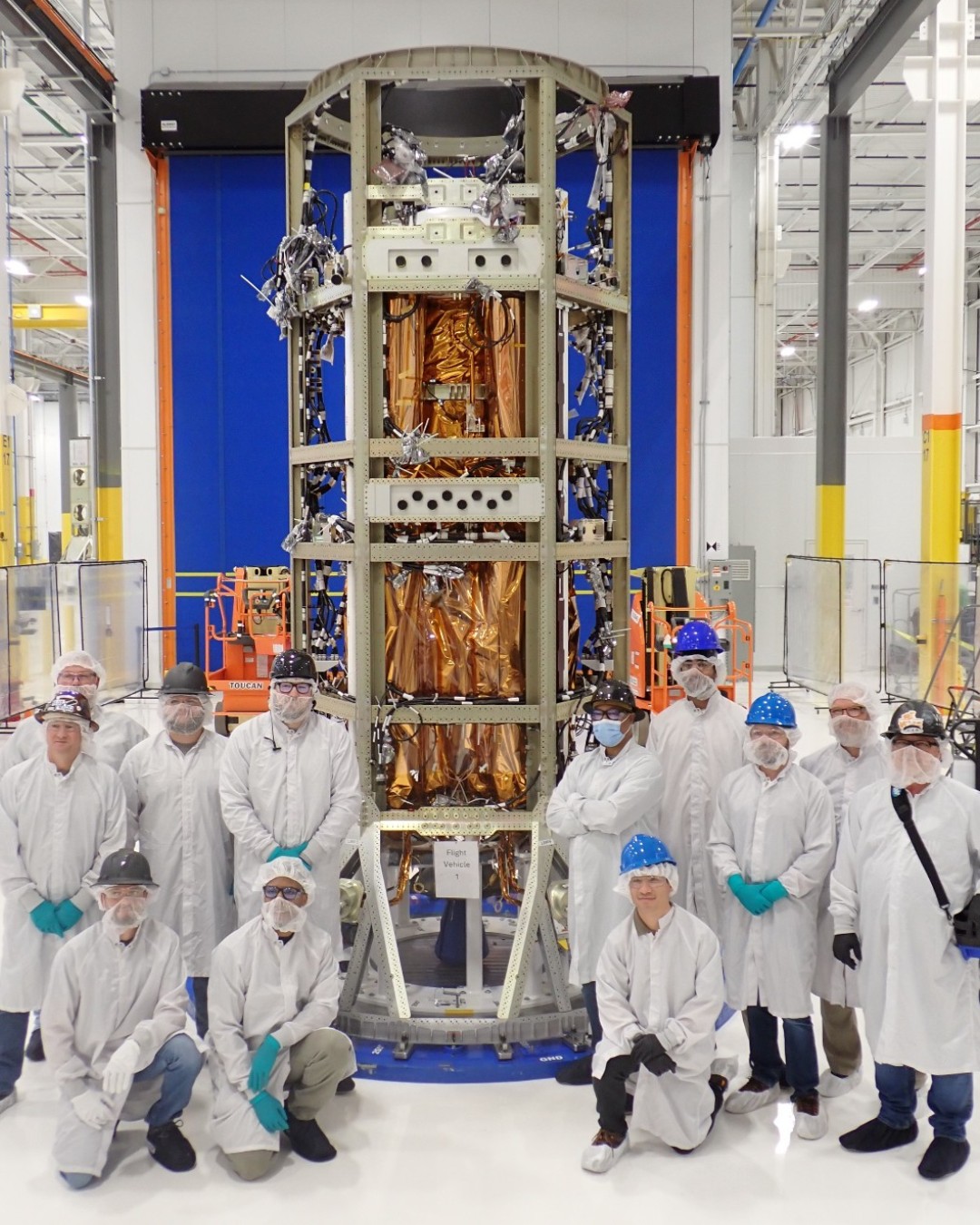
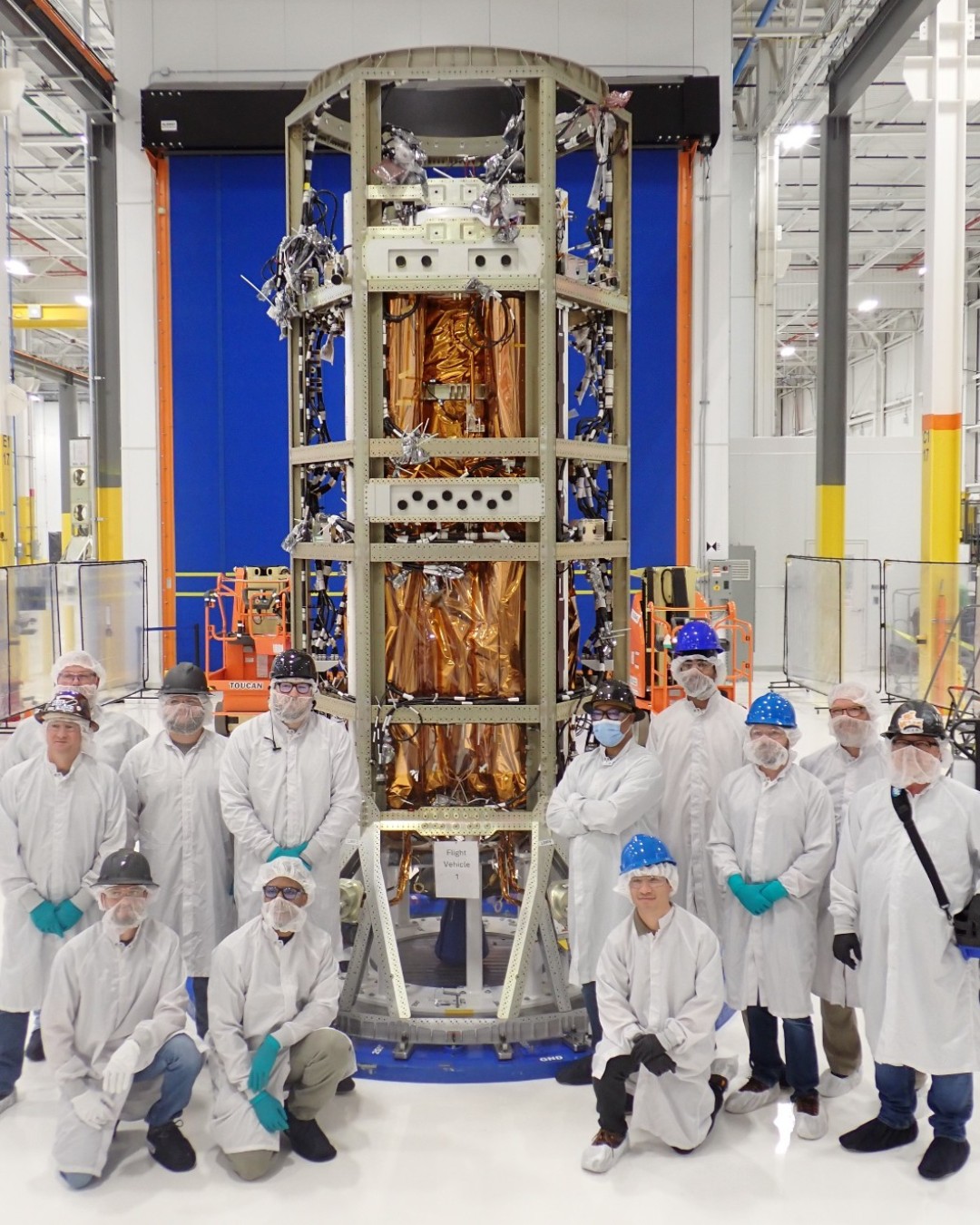
Blue Origin is assembling and testing its first Blue Ring spacecraft.
Credit:
Blue Origin
NASA’s roster of CLPS lander companies includes Firefly Aerospace, Intuitive Machines, Astrobotic, and Jeff Bezos’ Blue Origin, which is also working on a larger human-rated lunar lander for NASA, along with SpaceX. Some of the same companies, along with K2 Space, Rocket Lab, Apex Space, Blue Canyon, Millennium Space Systems, and now Vast, are working on mass-produced satellite platforms for use in Earth orbit or deep space. The manufacturers see their primary demand signals in the US military and commercial markets, but NASA could benefit from the same designs.
Blue Origin bills its Blue Ring design, now preparing for its first test flight, as an “all-in-one, high-powered hybrid solar electric and chemical propelled spacecraft” that can maneuver, host, and deploy payloads in and around Earth orbits, the Moon, Mars, other planets, and near-Earth asteroids at “dramatically lower profile costs.”
One idea supported by Steve Squyres, Blue Origin’s chief scientist, is using a Blue Ring to deploy multiple small satellites to prospect for resources around asteroids. Blue Origin was one of several companies to win NASA study contracts last year to look at novel ways of delivering scientific payloads to difficult-to-reach destinations.
Source: arstechnica.com…