5 Fascinating Facts About the Blue Moon and Full Moon
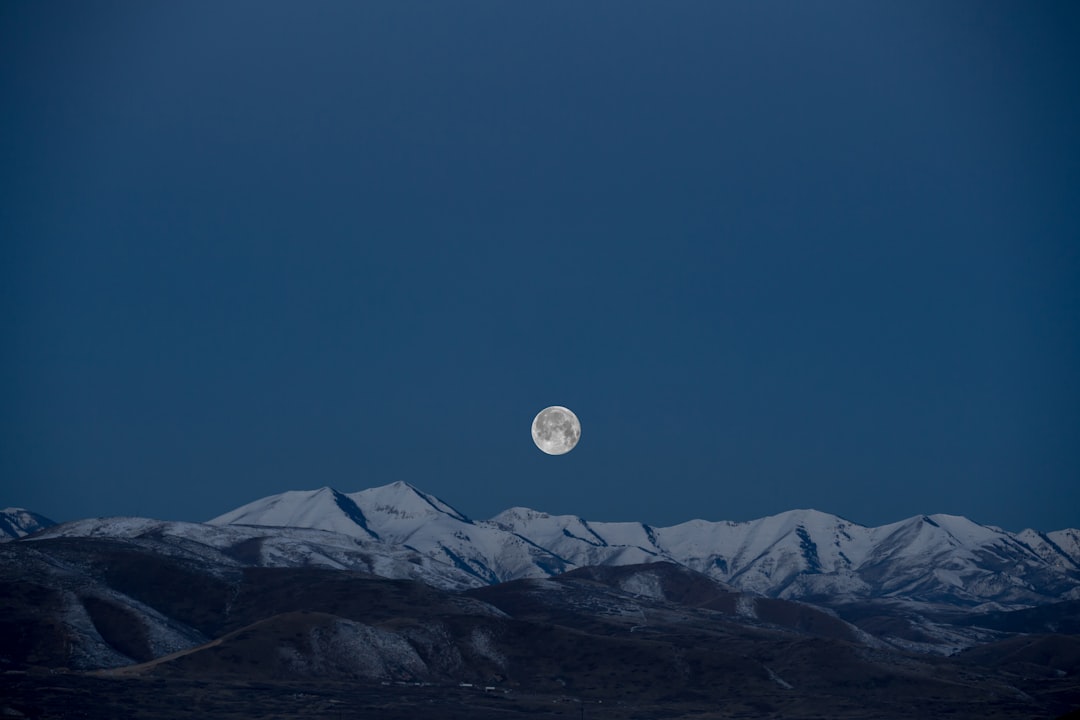
A full moon occurs when the Earth is positioned directly between the sun and the moon, allowing the moon to reflect the sun’s light fully. This celestial event results in a bright, round orb that illuminates the night sky, captivating observers with its beauty. The full moon has been a source of fascination for humanity throughout history, often associated with various cultural and spiritual beliefs. It marks the midpoint of the lunar cycle, which lasts approximately 29.5 days, and is a time when the moon appears at its most luminous.
In contrast, a blue moon is a more elusive phenomenon. Traditionally defined as the second full moon occurring within a single calendar month, this rare event has garnered significant attention due to its infrequency. The term can also refer to the third full moon in a season that contains four full moons, rather than the usual three. Regardless of its definition, a blue moon is often seen as a symbol of rarity and uniqueness, leading to the popular saying, “once in a blue moon,” which denotes something that happens very infrequently.
The Origin of the Term “Blue Moon”
The phrase “blue moon” has a somewhat ambiguous origin, with various theories attempting to explain its etymology. One of the earliest recorded uses of the term dates back to 1528 in a poem by John Frith, where it was used to describe something that was impossible. However, it wasn’t until the 19th century that the term began to take on its modern meaning. In 1946, an article in “Sky & Telescope” magazine popularized the definition of a blue moon as the second full moon in a month, solidifying its place in contemporary astronomy.
Interestingly, the term has also been linked to the Old Farmer’s Almanac, which has provided definitions and explanations of lunar events for generations. The almanac’s interpretation of a blue moon as the third full moon in a season with four full moons is another aspect of its rich history. This duality in definition has contributed to the term’s mystique and allure, as it encompasses both rarity and seasonal significance.
The Frequency of Blue Moons and Full Moons
Full moons occur with regularity, approximately every 29.5 days, resulting in about 12 full moons each year. However, due to the slight discrepancy between the lunar cycle and the calendar year, there are occasions when an additional full moon appears within a single month. This phenomenon leads to the occurrence of blue moons, which happen roughly every two to three years. The rarity of blue moons adds to their charm and intrigue, making them special events for skywatchers and enthusiasts alike.
In contrast, full moons are far more common and predictable. Each month typically features one full moon, with some months experiencing two when they align perfectly with the lunar cycle. This regularity allows for easy tracking and observation, making full moons a staple in calendars and cultural celebrations worldwide. While blue moons may be rare gems in the lunar calendar, full moons are steadfast companions that guide humanity through time and seasons.
The Cultural Significance of Blue Moons and Full Moons
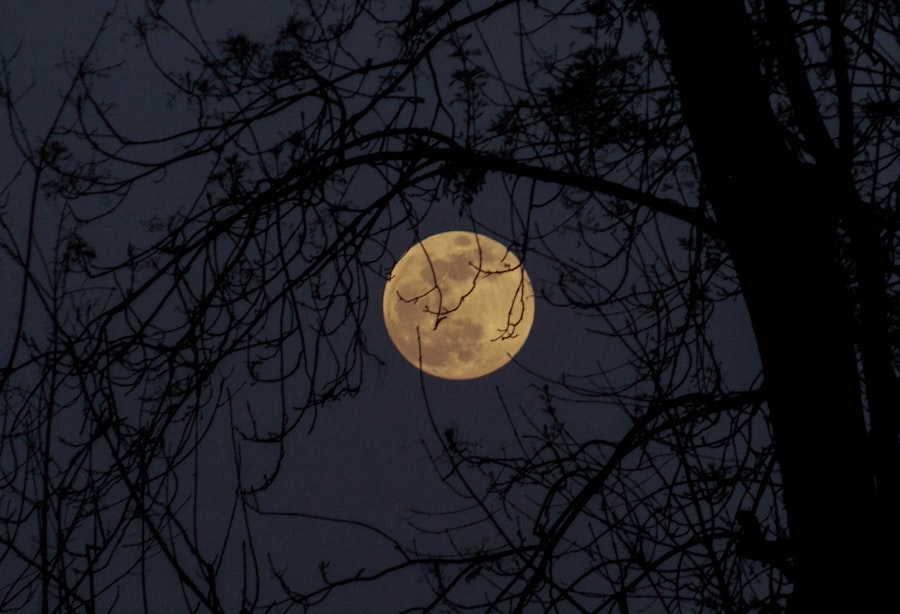
Throughout history, both blue moons and full moons have held significant cultural importance across various societies. Many cultures have celebrated full moons with festivals and rituals, often associating them with fertility, harvests, and spiritual renewal. For instance, in many agricultural societies, the full moon was seen as a time for planting and harvesting crops due to its influence on tides and natural cycles.
Blue moons, while less frequently observed, have also inspired cultural narratives and artistic expressions. Their rarity has led to associations with luck and opportunity, often prompting individuals to seize moments of chance or change during these celestial events. In literature and music, blue moons have been romanticized as symbols of longing and nostalgia, capturing the imagination of artists and poets alike.
The Scientific Impact of Blue Moons and Full Moons
| Blue Moon Full Moon | Data/Metrics |
|---|---|
| Definition | The third full moon in a season that has four full moons, or the second full moon in a calendar month. |
| Frequency | Occurs approximately every 2.7 years. |
| Origin of Name | Derived from the phrase “once in a blue moon,” indicating rarity. |
| Appearance | Appears the same as a regular full moon, but holds cultural significance. |
From a scientific perspective, both blue moons and full moons offer valuable opportunities for research and observation. Astronomers study these lunar events to better understand celestial mechanics and the dynamics of our solar system. The predictable nature of full moons allows scientists to refine their models of lunar motion and gravitational interactions between celestial bodies.
Moreover, blue moons serve as reminders of the complexities inherent in our calendar systems. The discrepancies between lunar cycles and calendar months highlight the challenges faced by early astronomers in tracking time accurately. Understanding these phenomena not only enriches scientific knowledge but also deepens appreciation for the intricate dance of celestial bodies that govern our night skies.
The Effect of Blue Moons and Full Moons on Wildlife
The influence of full moons on wildlife behavior is well-documented in various studies. Many animals exhibit changes in activity levels during full moons due to increased light levels at night. Predators may take advantage of this illumination to hunt more effectively, while prey species may alter their behaviors to avoid detection. For instance, certain fish species are known to spawn during full moons, taking advantage of the heightened visibility for reproductive success.
Blue moons may not have a distinct impact on wildlife behavior compared to regular full moons; however, their rarity can create unique opportunities for researchers to observe changes in animal patterns during these events. The heightened interest surrounding blue moons can lead to increased awareness about wildlife conservation efforts and the importance of preserving natural habitats that support diverse ecosystems.
The Folklore and Myths Surrounding Blue Moons and Full Moons
Folklore surrounding both blue moons and full moons is rich and varied across cultures. Many myths attribute supernatural qualities to these lunar events, often linking them to themes of transformation and magic. For example, some cultures believe that full moons can influence human emotions and behaviors, leading to heightened feelings of restlessness or creativity.
Blue moons have also inspired numerous legends and tales throughout history. In some traditions, they are seen as omens or harbingers of change, signaling times when individuals should embrace new opportunities or confront challenges head-on. These stories reflect humanity’s enduring fascination with celestial phenomena and their perceived influence on earthly life.
How to Observe and Photograph Blue Moons and Full Moons
For those interested in observing or photographing blue moons and full moons, preparation is key. Finding a location with minimal light pollution is essential for capturing the moon’s brilliance in all its glory. Observers should consider using telescopes or binoculars for enhanced views of lunar features such as craters and maria.
Photography enthusiasts can experiment with different settings on their cameras to capture stunning images of these celestial events. Using a tripod can help stabilize shots during long exposures, allowing for clearer images even in low light conditions. Additionally, planning ahead by checking lunar calendars can ensure that observers are ready for these rare occurrences when they arise.
In conclusion, blue moons and full moons are not merely astronomical events; they are woven into the fabric of human culture, science, and nature. Their definitions may vary, but their significance remains profound across time and space. Whether celebrated through rituals or studied through scientific inquiry, these lunar phenomena continue to inspire awe and wonder in those who gaze upon them.
FAQs
What is a blue moon full moon?
A blue moon full moon occurs when there are two full moons in a single calendar month. This phenomenon is relatively rare, happening about once every 2.7 years.
Why is it called a “blue” moon?
The term “blue moon” has nothing to do with the actual color of the moon. Instead, it originated from a misinterpretation of the term “belewe moon,” which referred to a “betrayer” moon that would cause the Lenten season to be longer.
When is the next blue moon full moon?
The next blue moon full moon is expected to occur on August 31, 2023. After that, the following blue moon full moon is predicted to happen on May 31, 2026.
What are some cultural beliefs or superstitions associated with the blue moon full moon?
In some cultures, the blue moon full moon is believed to be a time of heightened spiritual energy and a powerful opportunity for manifestation and intention-setting. Others may see it as a time of unpredictability and change.
Is there any scientific significance to the blue moon full moon?
From a scientific standpoint, the blue moon full moon is simply a rare occurrence that happens due to the misalignment of the lunar cycle with the Gregorian calendar. It does not have any significant impact on the moon’s appearance or behavior.