
5 Marriage Immigration Changes Under Trump Administration
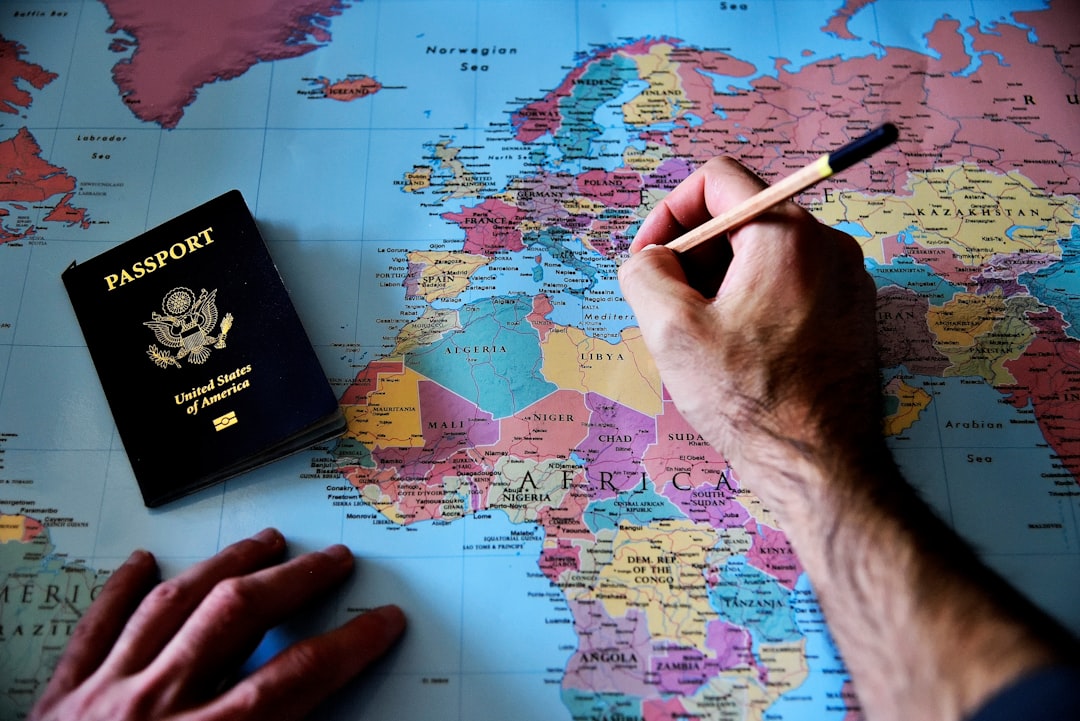
The Trump administration brought significant changes to U.S. immigration policies, particularly affecting marriage-based immigration. These changes aimed to tighten the immigration process, leading to increased scrutiny and more stringent requirements for couples seeking to unite in the United States. Understanding these shifts is crucial for anyone navigating the complexities of marriage immigration during this period.
The administration’s approach was characterized by a focus on national security and a desire to reduce the number of immigrants entering the country. This led to a series of policy adjustments that impacted various visa categories, including the K-1 fiancé visa and marriage-based green card applications. As we delve into these changes, it’s essential to recognize how they have shaped the experiences of couples and families during this time.
Changes to the K-1 Fiancé Visa Process
The K-1 fiancé visa allows foreign nationals to enter the U.S. for the purpose of marrying a U.S. citizen. Under the Trump administration, the process for obtaining this visa became more complicated. One notable change was the introduction of additional documentation requirements. Applicants were often asked to provide extensive evidence of their relationship, including proof of in-person meetings and ongoing communication.
Moreover, the processing times for K-1 visas increased significantly. Couples found themselves waiting longer than before, which added stress to an already challenging situation. The heightened scrutiny meant that even minor discrepancies in documentation could lead to delays or denials. This shift not only affected couples but also placed additional burdens on U.S. consulates and immigration offices, which were already grappling with backlogs.
Increased Scrutiny of Marriage-Based Green Card Applications
Marriage-based green card applications faced a similar fate under the Trump administration, with an emphasis on rigorous vetting processes. Immigration officials were instructed to closely examine the legitimacy of marriages, leading to a rise in requests for evidence (RFEs) and denials based on perceived fraud or insufficient proof of a bona fide relationship.
This increased scrutiny often left couples feeling vulnerable and anxious about their applications. Many were required to provide extensive documentation, such as joint financial records, photographs, and affidavits from friends and family attesting to the authenticity of their relationship. The pressure to prove the legitimacy of their marriage created an environment where even genuine couples faced significant hurdles.
Impact of the Public Charge Rule on Marriage Immigration
The introduction of the public charge rule marked a significant shift in how immigration officials assessed applicants’ eligibility for visas and green cards. Under this rule, individuals deemed likely to rely on public benefits could be denied entry or residency. This change had a direct impact on marriage immigration, as many couples worried about how their financial situations would be evaluated.
For spouses applying for green cards, demonstrating financial stability became paramount. U.S. citizens sponsoring their foreign spouses were required to show that they could support them without relying on government assistance. This requirement often led to complications for couples where one partner was not yet employed or had limited income, creating additional barriers for those seeking to build a life together in the U.S.
Changes to Conditional Permanent Residence for Spouses
| Policy Change | Impact |
|---|---|
| Public Charge Rule | Imposes stricter criteria for green card and visa applicants |
| Same-Sex Couples | Restrictions on immigration benefits for same-sex couples |
| Marriage Interviews | Increased scrutiny and interviews for marriage-based green card applicants |
Conditional permanent residence is granted to spouses who have been married for less than two years at the time of their green card approval. Under the Trump administration, there were notable changes in how these cases were handled. Couples were subjected to more rigorous interviews and were often required to provide additional evidence to prove that their marriage was genuine.
The process for removing conditions on permanent residence also became more complex. Couples had to navigate a more challenging landscape, with increased scrutiny during interviews and a greater likelihood of being asked for further documentation. This shift not only extended the timeline for couples seeking full permanent residency but also added emotional strain as they faced uncertainty about their future together.
Updates to the Affidavit of Support Requirements for Spouses
The Affidavit of Support is a crucial document in marriage immigration, as it demonstrates that a U.S. citizen can financially support their foreign spouse. Under the Trump administration, there were updates to the requirements surrounding this affidavit, which aimed to ensure that sponsors met specific income thresholds.
These changes meant that many sponsors had to provide more detailed financial information and documentation than before. For couples where one partner was not working or had an unstable income, this could pose significant challenges. The increased financial scrutiny added another layer of complexity to an already intricate process, leaving many couples uncertain about their ability to meet the requirements.
Changes to the Interview Process for Marriage-Based Green Card Applicants
The interview process for marriage-based green card applicants underwent significant changes during the Trump administration. Couples were often subjected to more intense questioning designed to assess the authenticity of their relationship. Immigration officers were instructed to look for signs of fraud, which led to a more adversarial atmosphere during interviews.
This shift meant that couples had to be exceptionally prepared for their interviews, often needing to rehearse answers and gather supporting evidence meticulously. The pressure was particularly high for those who had previously experienced less rigorous interviews under earlier administrations. As a result, many couples reported feeling anxious and overwhelmed by the process.
Impact of Travel Bans on Marriage Immigration
Travel bans implemented during the Trump administration had a profound impact on marriage immigration, particularly for couples from affected countries. These bans restricted entry into the U.S., complicating the ability of foreign spouses or fiancés to join their partners in America.
For many couples, this meant prolonged separations and uncertainty about their future together. Those who were already in the process of obtaining visas faced additional delays and complications as they navigated changing policies and restrictions. The emotional toll of being apart from loved ones was significant, leading many couples to seek alternative solutions or reconsider their plans altogether.
Changes to the DACA Program and its Impact on Spousal Sponsorship
The Deferred Action for Childhood Arrivals (DACA) program has been a lifeline for many young immigrants in the U.S., allowing them temporary protection from deportation. However, changes and uncertainty surrounding DACA during the Trump administration also affected spousal sponsorships for DACA recipients.
For those who were married to U.S. citizens or permanent residents, navigating spousal sponsorship became increasingly complex as DACA’s future remained uncertain. Many couples faced challenges in planning their lives together due to fears about potential changes in immigration policy that could impact their ability to remain together in the U.S.
Impact of the COVID-19 Pandemic on Marriage Immigration Processes
The COVID-19 pandemic brought unprecedented challenges to marriage immigration processes, compounding existing issues created by the Trump administration’s policies. Consulates around the world closed or operated at reduced capacity, leading to significant delays in visa processing times.
Couples found themselves facing extended separations as they waited for appointments or responses from immigration offices. The pandemic also introduced new health-related requirements that applicants had to navigate, adding another layer of complexity to an already challenging process. Many couples had to adapt quickly and find creative solutions to maintain their relationships during this tumultuous time.
Conclusion and Future Outlook for Marriage Immigration under the Trump Administration
As we reflect on the changes made during the Trump administration regarding marriage immigration, it’s clear that many couples faced significant challenges in their pursuit of unity in the U.S. The increased scrutiny, additional requirements, and evolving policies created an environment fraught with uncertainty and anxiety.
Looking ahead, it remains essential for couples navigating marriage immigration to stay informed about potential changes in policies and procedures under future administrations. While some aspects may improve with new leadership, others may continue to pose challenges for those seeking to build their lives together in America. Understanding these dynamics will be crucial for anyone involved in marriage immigration moving forward.
FAQs
What are the changes to marriage immigration policies under the Trump administration?
The Trump administration implemented several changes to marriage immigration policies, including increased scrutiny of marriage-based green card applications, interviews for all applicants, and a crackdown on marriage fraud.
How have the changes affected the process of obtaining a marriage-based green card?
The changes have made the process more rigorous, with increased documentation requirements, longer processing times, and a higher likelihood of being called in for an interview with immigration officials.
What are the potential challenges for couples seeking a marriage-based green card under the new policies?
Couples may face challenges such as proving the bona fide nature of their marriage, providing extensive documentation of their relationship, and navigating the complex immigration system, which can be daunting and time-consuming.
Are there any exemptions or special considerations for certain couples under the new policies?
There are no specific exemptions, but couples with unique circumstances, such as military families or individuals with medical or humanitarian needs, may be able to request special consideration or expedited processing.
What are some resources or support available for couples navigating the marriage-based green card process under the Trump administration’s policies?
Couples can seek assistance from immigration attorneys, non-profit organizations, and online resources to help them understand the requirements, gather necessary documentation, and navigate the complexities of the immigration process.