
5 Must-Have Items for Your Cruise Ship Vacation
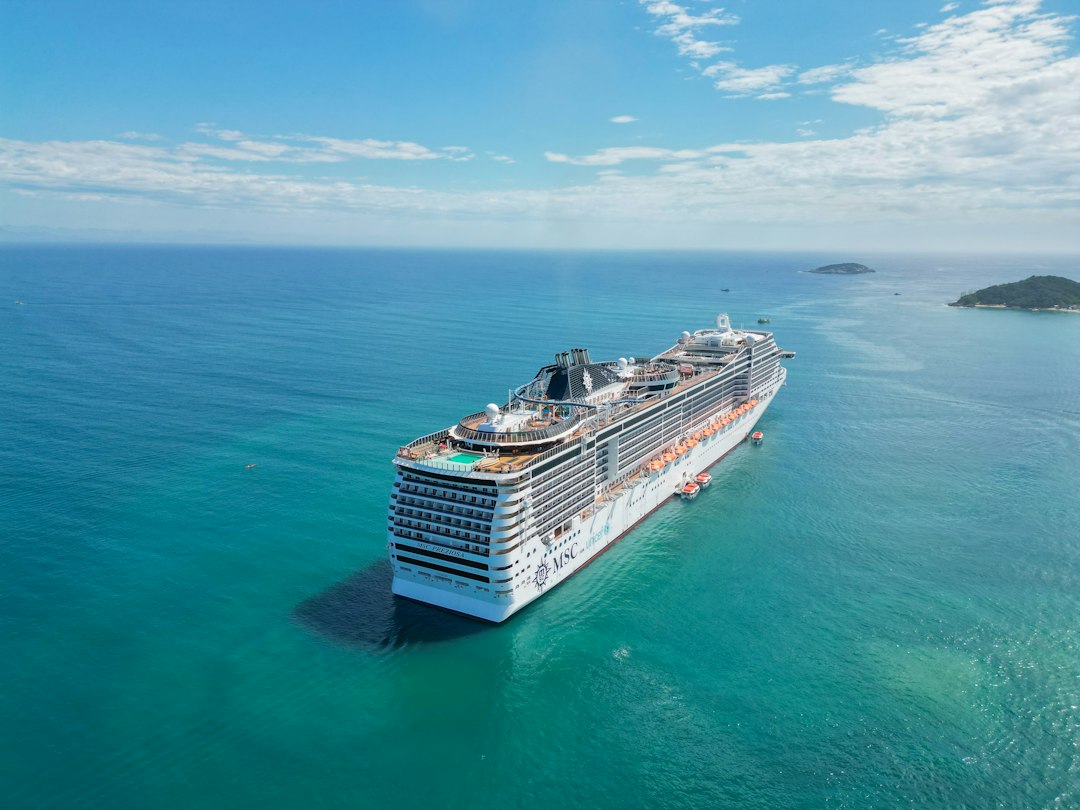
When preparing for a cruise ship vacation, packing efficiently is crucial to ensure a smooth and enjoyable experience. The first step in this process is to create a comprehensive packing list that includes all the essentials. This list should encompass clothing, toiletries, and any necessary documents. Important items such as passports, cruise tickets, and travel insurance information should be kept in a secure and easily accessible location. Additionally, travelers should consider the duration of their cruise and the destinations they will visit, as this will influence the types of clothing and accessories they need to bring.
Another essential aspect of packing for a cruise is to consider the ship’s dress code and the activities planned during the trip. Many cruise lines have specific guidelines regarding attire for formal dinners, casual evenings, and shore excursions. Therefore, it is wise to pack versatile clothing that can be mixed and matched to create different outfits. Lightweight fabrics are ideal for warm weather, while layers are essential for cooler evenings or air-conditioned spaces. By planning ahead and packing thoughtfully, travelers can ensure they have everything they need for a memorable cruise experience.
Comfortable and Practical Footwear for Onboard and Shore Excursions
Footwear is a critical consideration when packing for a cruise, as travelers will likely engage in various activities both onboard and during shore excursions. Comfortable shoes are essential for exploring the ship, participating in onboard activities, and walking during port visits. Sneakers or walking shoes are often recommended for their support and comfort, especially when navigating uneven terrain during excursions. Additionally, sandals or flip-flops can be a great choice for lounging by the pool or enjoying the beach.
It is also important to consider the types of activities planned during the cruise. For instance, if a traveler intends to participate in formal dining experiences or evening entertainment, they may want to include a pair of dress shoes or elegant sandals in their packing list. By selecting footwear that is both practical and stylish, travelers can ensure they are prepared for any occasion that arises during their cruise adventure.
Sun Protection and Swimwear for Fun in the Sun
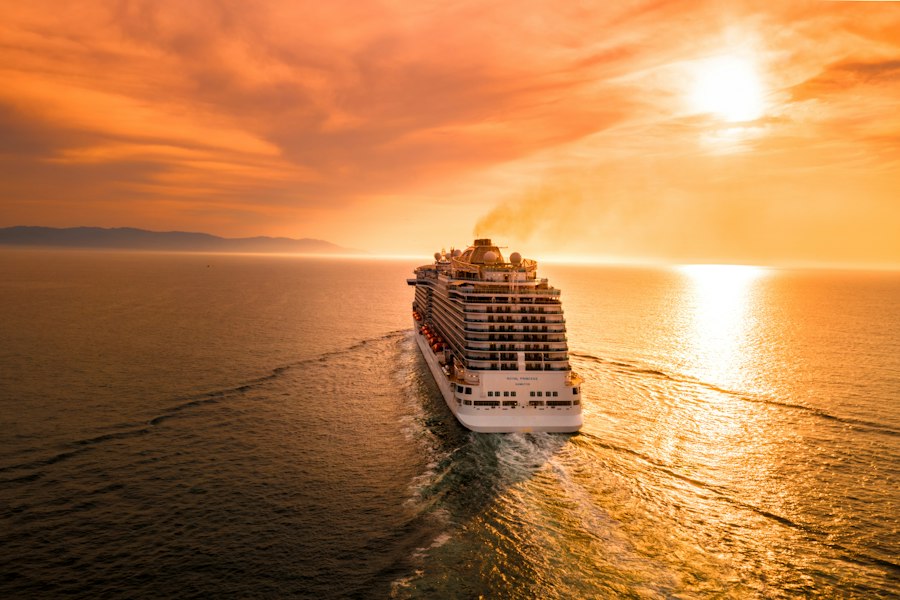
A cruise often involves plenty of time spent outdoors, making sun protection an essential part of any packing list. Travelers should prioritize bringing high-SPF sunscreen to shield their skin from harmful UV rays while enjoying sun-soaked days on deck or at port. It is advisable to choose a water-resistant formula that can withstand swimming and sweating, ensuring long-lasting protection throughout the day. Additionally, packing after-sun lotion or aloe vera can provide relief in case of sunburn.
Swimwear is another crucial component of packing for a cruise. Travelers should consider bringing multiple swimsuits to allow for quick changes after swimming or lounging by the pool. Cover-ups or sarongs are also practical additions, providing comfort and modesty when transitioning from the pool area to dining venues. By being well-prepared with sun protection and swimwear, travelers can fully embrace the joys of their cruise vacation while safeguarding their health.
Evening Attire for Dining and Entertainment
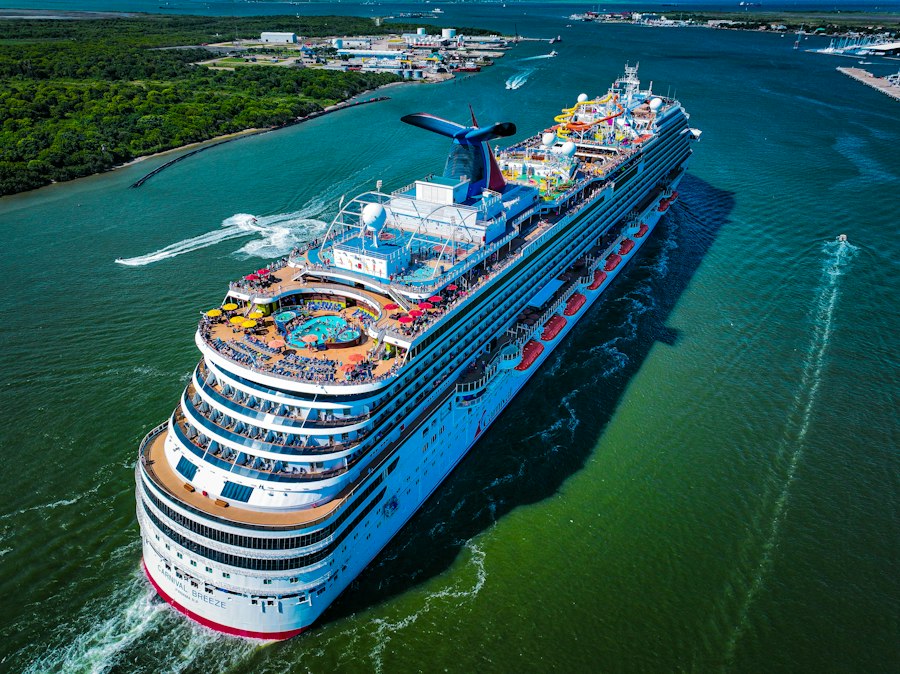
Evenings on a cruise ship often present opportunities for fine dining and entertainment, making it essential to pack appropriate evening attire. Many cruise lines host formal nights where guests are encouraged to dress up for dinner, so including elegant dresses or suits in one’s luggage is advisable. For women, cocktail dresses or stylish jumpsuits can be perfect choices, while men may opt for dress shirts paired with slacks or suits. Accessories such as jewelry or ties can elevate an outfit and add a touch of personal flair.
In addition to formal attire, travelers should also consider packing smart-casual options for less formal evenings. This could include nice blouses or shirts paired with tailored pants or skirts. Comfortable yet stylish shoes are also important for navigating the ship’s dining venues and entertainment areas. By thoughtfully selecting evening attire, travelers can enjoy the vibrant nightlife onboard while feeling confident and well-dressed.
Travel-Friendly Toiletries and Personal Care Items
| Metric | Value | Unit |
|---|---|---|
| Average Length | 300 | meters |
| Passenger Capacity | 3500 | people |
| Crew Members | 1200 | people |
| Gross Tonnage | 150000 | GT |
| Maximum Speed | 22 | knots |
| Number of Decks | 15 | decks |
| Typical Cruise Duration | 7 | days |
| Fuel Consumption | 250 | tons per day |
When packing for a cruise, it is essential to consider personal care items and toiletries that will be needed throughout the journey. Many cruise lines provide basic toiletries in cabins; however, travelers may prefer to bring their own preferred brands for comfort and familiarity. Items such as shampoo, conditioner, body wash, toothpaste, and deodorant should be included in one’s packing list. It is also wise to pack travel-sized containers to save space and comply with any liquid restrictions during travel.
In addition to standard toiletries, personal care items such as makeup, hair styling products, and skincare essentials should not be overlooked. A small first-aid kit containing band-aids, pain relievers, and any necessary prescription medications can also be beneficial during the trip. By being prepared with travel-friendly toiletries and personal care items, travelers can maintain their routines and feel refreshed throughout their cruise experience.
Seasickness Remedies and Motion Sickness Prevention
Seasickness can be an unwelcome companion on a cruise vacation; therefore, it is wise for travelers to prepare in advance with remedies and prevention strategies. Over-the-counter medications such as meclizine or dimenhydrinate can be effective in preventing motion sickness symptoms. Travelers may also consider natural remedies like ginger candies or acupressure wristbands that have been known to alleviate nausea associated with seasickness.
In addition to medication, there are several strategies that can help minimize the risk of seasickness while onboard. Staying hydrated by drinking plenty of water is essential, as dehydration can exacerbate symptoms. Eating light meals and avoiding heavy or greasy foods can also contribute to overall comfort while at sea. By taking proactive measures against seasickness, travelers can focus on enjoying their cruise without the distraction of discomfort.
Electronics and Gadgets for Capturing Memories and Staying Connected
In today’s digital age, electronics play a significant role in enhancing travel experiences. When packing for a cruise, travelers should consider bringing devices such as smartphones, cameras, or tablets to capture memories along the way. A waterproof phone case can be particularly useful for beach excursions or poolside lounging, ensuring that devices remain safe from water damage while still allowing for photo opportunities.
Staying connected while at sea is another consideration for many travelers. Wi-Fi packages are often available on cruise ships; however, they can be costly. Therefore, it may be beneficial to download entertainment options such as movies or e-books before departure. Additionally, portable chargers can help keep devices powered throughout the trip without needing access to outlets constantly. By thoughtfully selecting electronics and gadgets, travelers can document their adventures while remaining connected with loved ones back home.
Safety and Security Items for Peace of Mind at Sea
Safety and security are paramount when embarking on a cruise vacation. Travelers should prioritize packing items that enhance their sense of security while at sea. A travel lock can be useful for securing luggage or cabin doors when not in use. Additionally, RFID-blocking wallets or pouches can protect personal information from potential theft while navigating crowded ports or busy onboard areas.
It is also wise to carry a small emergency kit containing essentials such as a flashlight, whistle, and basic first-aid supplies. Familiarizing oneself with the ship’s safety protocols upon boarding is crucial; knowing emergency exits and procedures can provide peace of mind during the journey. By taking proactive steps toward safety and security, travelers can fully immerse themselves in their cruise experience without unnecessary worry.
In conclusion, preparing for a cruise ship vacation involves careful consideration of various packing essentials that cater to comfort, style, safety, and enjoyment. By following these guidelines and being well-prepared with appropriate clothing, footwear, toiletries, remedies for seasickness, electronics for capturing memories, and safety items, travelers can embark on their journey with confidence and excitement. A well-planned packing strategy not only enhances the overall experience but also allows individuals to focus on creating lasting memories during their time at sea.
FAQs
What is a cruise ship?
A cruise ship is a large passenger ship used for pleasure voyages, where passengers can enjoy various amenities and activities while traveling to different destinations.
How big are cruise ships?
Cruise ships can vary in size, but they are typically large vessels that can accommodate thousands of passengers and crew members. Some of the largest cruise ships can be over 1,000 feet long and have multiple decks.
What amenities are available on a cruise ship?
Cruise ships offer a wide range of amenities, including restaurants, bars, swimming pools, spas, fitness centers, theaters, casinos, and shopping areas. Some ships also have water parks, zip lines, rock climbing walls, and other recreational activities.
Where do cruise ships travel to?
Cruise ships travel to various destinations around the world, including the Caribbean, Mediterranean, Alaska, South America, Asia, and more. Popular ports of call include tropical islands, historic cities, and scenic coastal regions.
How safe are cruise ships?
Cruise ships are designed to be safe and are subject to strict regulations and safety standards. They are equipped with lifeboats, life rafts, and other safety equipment, and crew members undergo regular training drills to ensure passenger safety in case of emergencies.