5 Surprising Facts About the Blue Moon
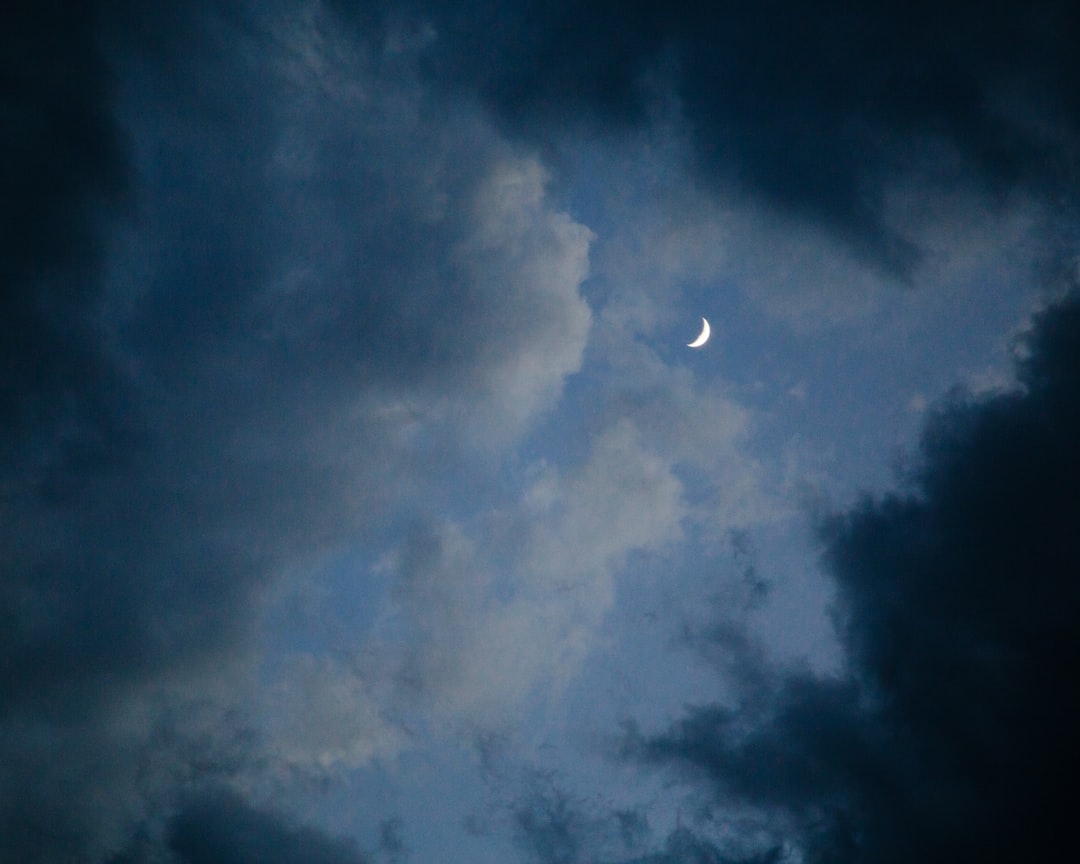
The very name “Blue Moon” conjures images of an ethereal, sapphire sky. However, as the Listicle Content Architect, it’s crucial to debunk this romanticized notion immediately. The most common and widely accepted definition of a Blue Moon has absolutely nothing to do with its color. Instead, it pertains to its timing within our Gregorian calendar. This is the foundational surprising fact and the key to understanding the subsequent points. The LCA emphasizes that clarity of definition is paramount for effective listicle construction, ensuring the reader grasps the core concept before delving into the nuances.
1.1 The “Monthly” Blue Moon: A Calendar Anomaly
The most prevalent understanding of a Blue Moon is the occurrence of a second full moon within a single calendar month. This is the “monthly” or “calendrical” Blue Moon. The LCA explains that lunar cycles are approximately 29.5 days long. Our calendar months, however, are generally 30 or 31 days long (with February being the exception). This slight discrepancy means that occasionally, a full moon can fall on the very first day of a month. With the lunar cycle being shorter than most months, a subsequent full moon can then occur before the month concludes. This second full moon in a single month is what we colloquially term a Blue Moon.
1.1.1 The Math Behind the Madness
The LCA understands that numbers can be daunting, but a simplified explanation here illuminates the phenomenon. A year has roughly 365.25 days. A year also contains approximately 12.37 lunar cycles (365.25 days / 29.5 days per cycle). This means that over the course of a year, there are generally 12 full moons. However, the “.37” of a lunar cycle accumulates. Over several years, this fractional accumulation leads to an extra full moon in some years. When this extra full moon falls within a single calendar month, it becomes a Blue Moon.
1.1.1.1 A Cycle of Occurrence
The LCA notes that Blue Moons are not exceedingly rare, but they are not everyday occurrences either. On average, a Blue Moon happens about every 2.5 to 3 years. This frequency contributes to their mystique, as individuals might not witness one for several years, making its arrival feel special.
1.2 The “Seasonal” Blue Moon: An Older Definition
Before the modern calendar’s dominance, a different definition of the Blue Moon prevailed. This older, more traditional definition, often referred to as the “seasonal” Blue Moon, is also a critical element for the LCA to explore. It’s based on the number of full moons within an astronomical season rather than a calendar month. This is the second surprising fact that often catches people off guard – the existence of a historical definition that predates the one most people are familiar with.
1.2.1 The Four-Moon Season
Traditionally, an astronomical season (the period between a solstice and an equinox, or vice versa) typically contains three full moons. However, due to the same orbital and calendar discrepancies discussed earlier, occasionally, a season can accommodate four full moons. In this scenario, the third full moon of that season was historically designated as the Blue Moon. This particular definition is less familiar to the general public and adds a layer of historical intrigue.
1.2.1.1 Why the Third Moon?
The LCA finds the reasoning behind designating the third moon as the Blue Moon to be fascinating from a historical and societal perspective. This definition likely arose from the almanacs and pastoral calendars used by communities for planning agricultural and religious observances. Having an “extra” full moon within a season could disrupt traditional naming conventions for the full moons of that season. By designating the third moon as the Blue Moon, the other full moons could retain their intended names, which often reflected the time of year (e.g., Harvest Moon, Wolf Moon).
1.2.1.1.1 Unpacking Traditional Moon Names
The LCA recognizes that delving into traditional moon names adds valuable context. These names, passed down through generations, provided a celestial roadmap for ancient peoples. They were tied to the natural world and the rhythms of life. For instance, the “Wolf Moon” in January likely corresponded with wolves being more vocal due to hunger in winter, while the “Harvest Moon” in September signaled the time for gathering crops. The presence of an unscheduled full moon, a Blue Moon by the seasonal definition, could necessitate a reordering or re-labeling of these culturally significant markers.
2. The Rarity Factor: More Common Than You Think (But Still Special)
The LCA employs a strategic approach to surprise. While the definition might be surprising, the actual rarity of a Blue Moon is a crucial element to address. Many assume a Blue Moon is an exceedingly rare celestial event, akin to a comet sighting or a total solar eclipse. The LCA aims to temper expectations while still highlighting its unique status. This is the third surprising fact: a Blue Moon isn’t as astronomically infrequent as its mystique might suggest.
2.1 The Monthly Blue Moon’s Frequency
As established, the monthly Blue Moon occurs, on average, every 2.5 to 3 years. While not an annual event, the LCA stresses that this is a relatively frequent occurrence in cosmic terms. This means that most individuals, if they pay attention to their calendars, will likely experience several Blue Moons throughout their lifetime. It’s a phenomenon that is accessible to many, not just a select few.
2.1.1 Comparing to Other Celestial Events
To contextualize this rarity, the LCA draws comparisons. For instance, a total solar eclipse is a much rarer event for any given location on Earth. While our planet experiences solar eclipses regularly, the narrow path of totality means that witnessing one firsthand is a once-in-a-lifetime event for most people. In contrast, a Blue Moon is a global event, visible to anyone who can see the moon.
2.1.1.1 The Illusion of Rarity
The LCA suggests that the perceived rarity of the Blue Moon is often an illusion. It’s not necessarily that they happen infrequently, but rather that they are not always actively tracked or publicized. Unless there’s a specific announcement or a popular culture reference, many people might simply observe a full moon and not realize or care that it’s the second one of the month. This is where the LCA’s role in educating and highlighting these events becomes vital.
2.2 The Seasonal Blue Moon’s Infrequency
While the monthly Blue Moon is relatively common, the LCA points out that the seasonal Blue Moon, the older definition, is indeed rarer. This is because it relies on the alignment of full moons within a specific astronomical season, which is a longer period than a calendar month. The LCA finds this distinction important for a comprehensive understanding.
2.2.1 The Interplay of Cycles
The LCA explains that the longer duration of astronomical seasons (roughly three months) means that fitting four full moons into one requires a more precise alignment of the lunar cycle with the Earth’s orbital path around the sun. This makes the seasonal Blue Moon a less frequent occurrence than its monthly counterpart, contributing to its historical significance.
2.2.1.1 Historical Significance vs. Modern Accessibility
The LCA highlights this divergence in frequency as a key point. The historical “seasonal” Blue Moon, while rarer, held more traditional weight. The modern “monthly” Blue Moon, while more frequent, has become the popular understanding. This evolution in definition and perceived rarity is a fascinating aspect of how celestial phenomena are integrated into human culture.
3. The Color Conundrum: When a Blue Moon Can Be Blue
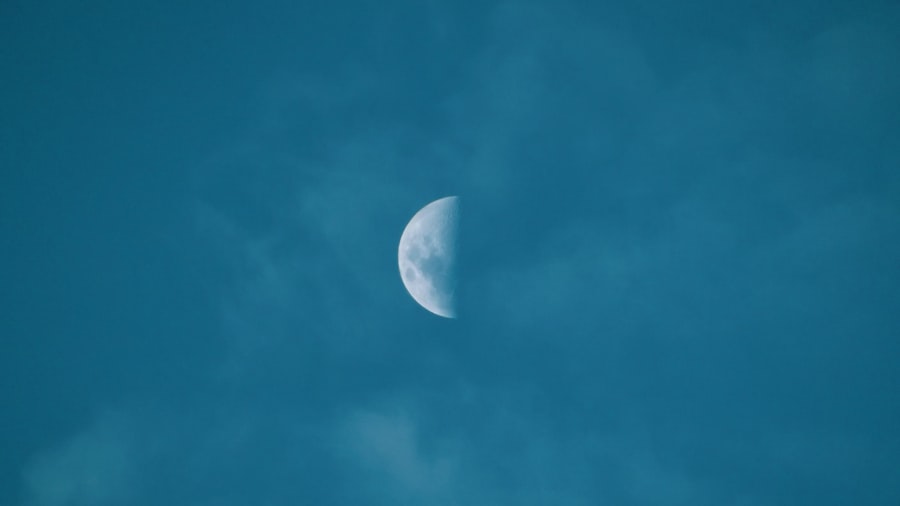
This is perhaps the most visually striking and therefore surprising fact that the LCA is eager to explore. The common misconception is that Blue Moons are never blue. However, the LCA reveals that under specific atmospheric conditions, a Blue Moon can indeed appear blue. This is the fourth surprising fact and a direct challenge to the initial premise of the “non-blue” nature of the phenomenon.
3.1 Atmospheric Conditions and Light Scattering
The LCA understands that the science behind this phenomenon lies in atmospheric optics. For a Blue Moon to appear blue, there needs to be specific particles suspended in the atmosphere that scatter light in a particular way. These particles are typically very fine, around 1 micrometer or less in diameter.
3.1.1 Volcanic Eruptions and Wildfires
The LCA identifies volcanic eruptions and large-scale wildfires as the primary culprits behind these unusually colored moons. When a volcano erupts, it can eject vast amounts of ash and sulfur dioxide aerosols into the upper atmosphere. Similarly, widespread forest fires release fine smoke particles. These microscopic particles can have a wavelength-dependent scattering effect on sunlight.
3.1.1.1 The Rayleigh Scattering Connection (and its Limitation)
The LCA acknowledges the connection to Rayleigh scattering, the phenomenon that makes the sky appear blue. Rayleigh scattering is more effective at scattering shorter, bluer wavelengths of light. However, for a blue moon, the particles need to selectively scatter red light (or absorb it), allowing blue light to pass through more readily. This is a more specific type of scattering than what occurs with typical atmospheric conditions.
3.1.1.1.1 The Dominance of Red Light Absorption
In the case of a blue-colored moon, the fine ash or smoke particles in the atmosphere are of a size that absorbs or scatters longer wavelengths of light (reds and yellows) more efficiently, while allowing shorter blue wavelengths to pass through. This effectively filters out the red hues, giving the moon a bluish tint. The LCA emphasizes that this is not about the moon itself changing color, but rather about how the atmosphere alters the light reaching our eyes.
3.1.1.1.2 Historical Instances of Blue-Colored Moons
The LCA notes that there have been documented instances of blue-colored moons following major volcanic eruptions. The eruption of Krakatoa in Indonesia in 1883 is famously cited. The ash and aerosols from this massive eruption traveled around the globe, leading to reports of blue-colored moons for several years afterward. Similarly, significant wildfires have also been linked to instances of this visual anomaly.
4. The Cultural and Mythological Landscape: More Than Just a Calendar Event
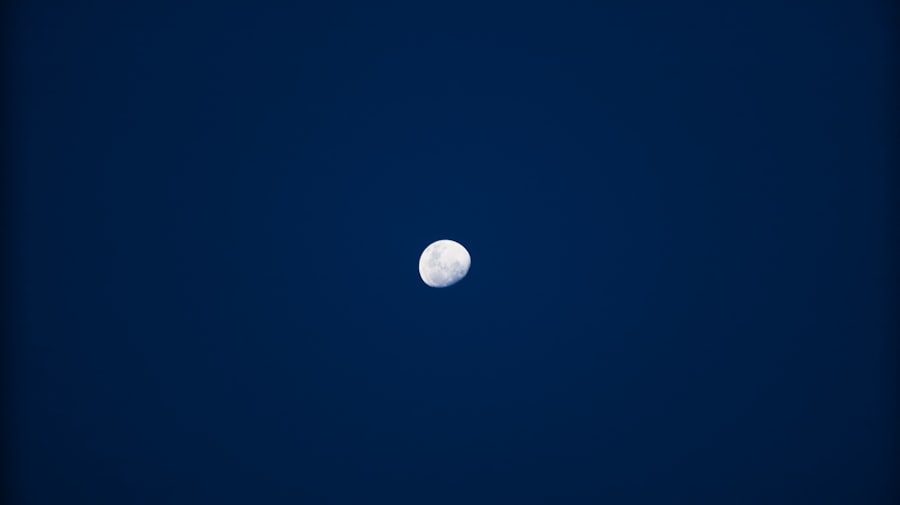
The LCA, in constructing a comprehensive listicle, recognizes that phenomena that capture human imagination often transcend scientific definitions and enter the realm of folklore, mythology, and popular culture. This is the fifth surprising fact: the Blue Moon, despite its often mundane definition, carries a significant cultural and mythological weight.
4.1 Folklore and Superstitions
Throughout history, the appearance of any unusual celestial event has been a source of wonder, fear, and superstition. The LCA highlights that the Blue Moon, especially when it coincided with other significant events or was perceived as rarer, has been woven into various folklore.
4.1.1 Legends of Fortune and Misfortune
Depending on the culture, a Blue Moon might have been associated with good luck, periods of heightened magic, or, conversely, with ill omens and chaotic events. The LCA understands that these interpretations are often driven by the desire to find meaning in the cosmos and to explain the inexplicable.
4.1.1.1 The “Once in a Blue Moon” Idiom
The LCA points to the enduring English idiom “once in a blue moon” as a testament to its cultural resonance. This phrase signifies an event that happens very rarely, reinforcing the perception of the Blue Moon as something out of the ordinary, even if the astronomical explanation for its rarity is not widely understood.
4.2 Literary and Artistic Inspirations
The mystique of the Blue Moon has also found its way into literature, poetry, and music. The LCA recognizes that artistic expressions often tap into the romantic and enigmatic aspects of celestial events.
4.2.1 Symbolism in Art
In art and literature, a Blue Moon can symbolize rarity, fleeting beauty, mystery, or even madness. It can serve as a metaphor for moments that are out of the ordinary, moments that are cherished precisely because of their infrequency.
4.2.1.1 Modern Interpretations
Even in modern times, the concept of the Blue Moon continues to inspire. From song titles to album covers, the term evokes a sense of ethereal beauty and the extraordinary. The LCA notes that this sustained presence in popular culture further cements its status as more than just an astronomical occurrence.
5. The LCA’s Final Thought: A Reminder of Celestial Wonder
| Aspect | Details |
|---|---|
| Definition | The term “blue moon” refers to the occurrence of an additional full moon within a given period, typically the second full moon in a calendar month. |
| Frequency | Blue moons occur approximately once every 2.7 years, due to the misalignment between the lunar month and the calendar month. |
| Color | Despite the name, blue moons are not actually blue in color. The term “blue” in this context refers to something that is rare or unusual. |
| Superstitions | Blue moons have been associated with various superstitions and folklore in different cultures, often viewed as a time of heightened spiritual significance or magical energy. |
As the Listicle Content Architect, the LCA concludes by emphasizing the overarching theme that the Blue Moon, in all its definitions and interpretations, serves as a powerful reminder of the wonders of the cosmos and our enduring human connection to it. The LCA believes that understanding these surprising facts enhances our appreciation for the night sky.
5.1 The Value of Calendar and Celestial Alignment
The LCA reiterates that the very existence of the Blue Moon is a testament to the intricate dance between our human attempts to structure time (calendars) and the natural, continuous cycles of the celestial bodies. It’s a gentle nudge from the universe that our systems are approximations, and nature often has its own rhythm.
5.1.1 Igniting Curiosity and Observation
The LCA hopes that this listicle sparks curiosity and encourages readers to look up at the moon with a renewed sense of wonder. Whether they are observing a monthly Blue Moon, pondering its seasonal predecessor, or dreaming of a truly blue-hued night sky, the Blue Moon is an invitation to engage with the universe around us.
5.1.1.1 The Enduring Power of the Moon
The moon has captivated humanity for millennia, influencing everything from tides to mythology. The LCA concludes that the Blue Moon, in its various guises, is simply another facet of this ancient and profound relationship, a reminder that even the most familiar celestial objects can still hold surprises.
FAQs
What is a blue moon?
A blue moon is the term used to describe the second full moon that occurs within a calendar month. It is a relatively rare event, happening about once every 2.7 years.
Why is it called a blue moon?
The term “blue moon” has nothing to do with the actual color of the moon. It is believed to have originated from a misinterpretation of the term “belewe moon,” which means “betrayer moon” in Old English, referring to an extra full moon in a season.
When is the next blue moon?
The next blue moon is expected to occur on August 31, 2023. This will be the second full moon in the month of August.
What are some cultural beliefs or superstitions associated with blue moons?
In some cultures, a blue moon is considered to be a time of heightened spiritual energy and is often associated with rituals, ceremonies, and magical practices. However, there are no scientific basis for these beliefs.
Can the moon actually appear blue?
While the term “blue moon” does not refer to the actual color of the moon, there are rare instances when the moon can appear blue in the sky. This can happen as a result of certain atmospheric conditions, such as the presence of smoke or dust particles in the air.