
Top 10 Game Development Tips for Success
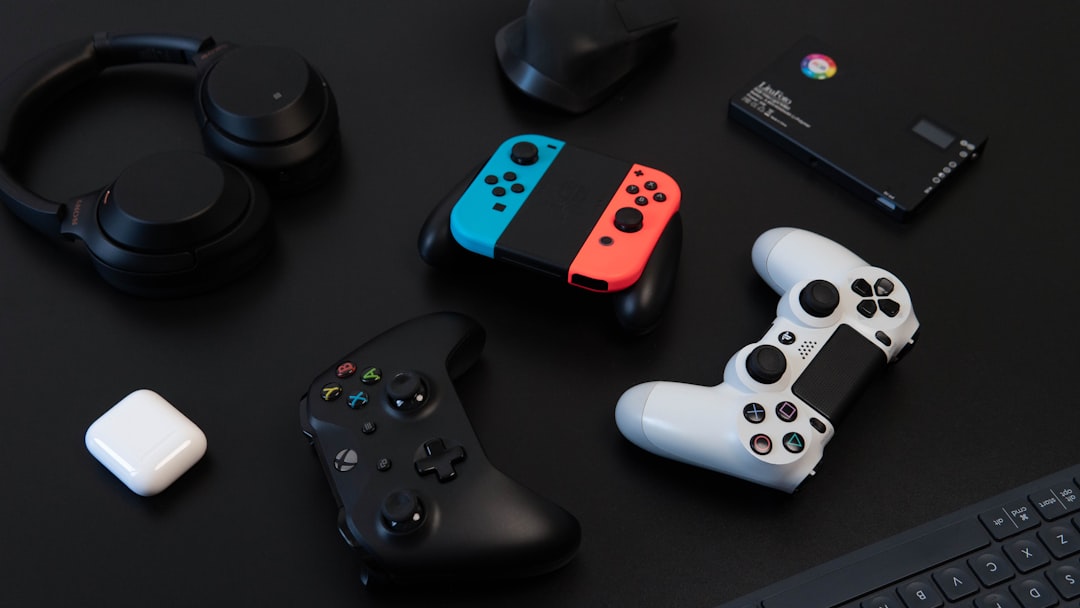
To create a successful game, it’s crucial to start by understanding your audience. Who are they? What do they enjoy? What motivates them to play? These questions are fundamental in shaping your game’s design and mechanics. Conducting thorough market research can provide insights into player demographics, preferences, and gaming habits. This information can help you tailor your game to meet the expectations and desires of your target audience.
Engaging with potential players through surveys, forums, or social media can also yield valuable feedback. By listening to what gamers are saying, you can identify trends and preferences that might not be immediately obvious. For instance, if you notice a growing interest in cooperative gameplay or narrative-driven experiences, you can incorporate these elements into your design. Ultimately, understanding your audience allows you to create a game that resonates with them, increasing the likelihood of its success.
Creating a Solid Game Design
Once you have a clear picture of your audience, the next step is to create a solid game design. This involves outlining the core mechanics, story, and visual style of your game. Start by defining the gameplay loop—what players will do repeatedly throughout their experience. This could involve combat, exploration, puzzle-solving, or resource management. A well-defined gameplay loop keeps players engaged and encourages them to return.
Additionally, consider the narrative aspect of your game. A compelling story can elevate the gaming experience and create emotional connections with players. Think about character development, plot twists, and world-building elements that can enrich the narrative. Visual design is equally important; the art style should align with the theme and tone of your game. Whether you opt for a realistic aesthetic or a more stylized approach, consistency in design helps immerse players in your world.
Utilizing the Right Tools and Technology
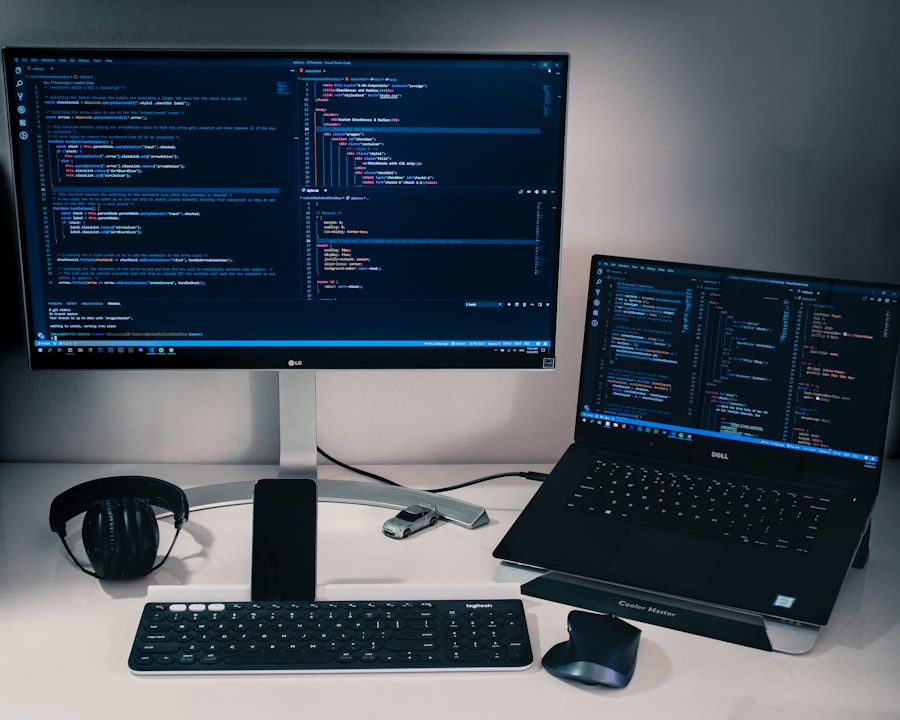
With a solid design in place, it’s time to choose the right tools and technology for development. The game engine you select can significantly impact your project’s success. Popular engines like Unity and Unreal Engine offer robust features and support for various platforms, making them excellent choices for both beginners and experienced developers. Consider your team’s skill set when selecting an engine; some may be more user-friendly for newcomers, while others provide advanced capabilities for seasoned developers.
In addition to the game engine, think about the other tools you’ll need for art creation, sound design, and project management. Software like Blender for 3D modeling or Adobe Creative Suite for graphics can enhance your production quality. Collaboration tools like Trello or Slack can help keep your team organized and on track. By utilizing the right technology, you can streamline your development process and focus on creating an engaging game.
Testing and Iterating
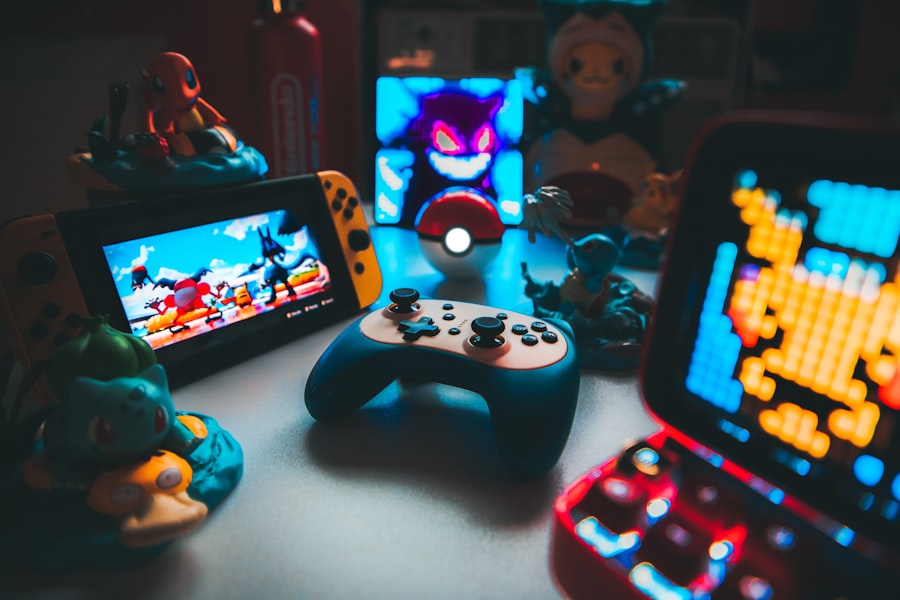
Testing is a critical phase in game development that should not be overlooked. Early and frequent testing allows you to identify bugs, gameplay issues, and areas for improvement before launch. Start with internal testing among your team to catch obvious problems. Once you feel confident in your build, consider releasing a beta version to a select group of players. Their feedback can provide insights into how real users interact with your game.
Iterating based on feedback is essential for refining your product. Be open to making changes based on player experiences; sometimes, what seems like a great idea in theory may not translate well in practice. Use analytics tools to track player behavior and engagement metrics. This data can guide your decisions on what aspects of the game need tweaking or enhancement. Remember, the goal is to create a polished experience that players will enjoy.
Focusing on User Experience
“`html
| Metrics | Data |
|---|---|
| Number of game developers | 10,000 |
| Game development tools | Unity, Unreal Engine, Godot |
| Game development platforms | PC, Console, Mobile |
| Game development process | Concept, Design, Development, Testing, Release |
“`
User experience (UX) plays a pivotal role in how players perceive and interact with your game. A well-designed UX ensures that players can navigate menus easily, understand gameplay mechanics quickly, and feel immersed in the game world. Start by simplifying interfaces; cluttered screens can overwhelm players and detract from their enjoyment. Clear tutorials or onboarding processes can help new players acclimate without feeling lost.
Additionally, consider accessibility features that can make your game enjoyable for a broader audience. Options like customizable controls, colorblind modes, or subtitles can enhance inclusivity. A positive user experience not only keeps players engaged but also encourages them to recommend your game to others. Ultimately, focusing on UX can lead to higher player satisfaction and retention rates.
Marketing and Promotion
Once your game is nearing completion, it’s time to shift gears towards marketing and promotion. Building awareness before launch is crucial for generating interest and excitement among potential players. Start by creating a strong online presence through social media platforms, gaming forums, and dedicated websites. Share behind-the-scenes content, development updates, and sneak peeks to engage your audience.
Consider leveraging influencer marketing as well; partnering with popular streamers or content creators can help reach a wider audience. They can showcase your game to their followers, providing authentic exposure that traditional advertising may not achieve. Additionally, participating in gaming conventions or expos can offer opportunities for hands-on demos and direct interaction with potential players. A well-executed marketing strategy can significantly impact your game’s visibility and success upon release.
Building a Strong Team
Behind every successful game is a strong team of dedicated individuals working towards a common goal. Assembling a diverse group of talents—programmers, artists, designers, writers—can bring different perspectives and skills to the table. When building your team, look for individuals who not only possess technical expertise but also share a passion for gaming and creativity.
Fostering a collaborative environment is essential for maximizing productivity and innovation. Encourage open communication where team members feel comfortable sharing ideas and feedback. Regular meetings can help keep everyone aligned on project goals and timelines. Remember that a cohesive team dynamic can lead to better problem-solving and ultimately result in a more polished final product.
Staying Updated with Industry Trends
The gaming industry is constantly evolving, with new technologies, trends, and player preferences emerging regularly. Staying updated with these changes is vital for maintaining relevance in the market. Follow industry news through blogs, podcasts, or social media channels dedicated to gaming developments. Engaging with communities on platforms like Reddit or Discord can also provide insights into what players are currently excited about.
Attending industry conferences or workshops can offer valuable networking opportunities as well as exposure to new ideas and technologies. Learning from other developers’ successes and challenges can inform your own practices and inspire innovation in your projects. By keeping an eye on industry trends, you can adapt your strategies accordingly and ensure that your games remain competitive in an ever-changing landscape.
In conclusion, developing a successful game involves understanding your audience, creating solid designs, utilizing the right tools, testing thoroughly, focusing on user experience, marketing effectively, building a strong team, and staying updated with industry trends. Each of these elements plays a crucial role in shaping the final product and ensuring it resonates with players. By approaching game development with these considerations in mind, you’ll be better equipped to create engaging experiences that stand out in the crowded gaming market.
FAQs
What is game development?
Game development is the process of creating video games for various platforms such as consoles, computers, and mobile devices. It involves designing the game concept, creating the game mechanics, programming, art and sound design, and testing.
What skills are needed for game development?
Game development requires a combination of technical and creative skills. These include programming languages such as C++, Java, or Python, knowledge of game engines like Unity or Unreal, 3D modeling and animation, game design principles, and problem-solving abilities.
What are the different stages of game development?
The stages of game development typically include pre-production, production, and post-production. Pre-production involves concept development and planning, production involves actual creation of the game, and post-production involves testing, debugging, and finalizing the game for release.
What are some popular game development tools and software?
Popular game development tools and software include Unity, Unreal Engine, GameMaker Studio, Autodesk Maya, Blender, Adobe Photoshop, and Audacity. These tools are used for game design, programming, 3D modeling, animation, and sound design.
What are the career opportunities in game development?
Career opportunities in game development include game programmer, game designer, 3D artist, animator, game tester, and game producer. Game developers can work for game studios, as freelancers, or start their own independent game development companies.