
Top 5 Tips for Successful Cryptocurrency Trading
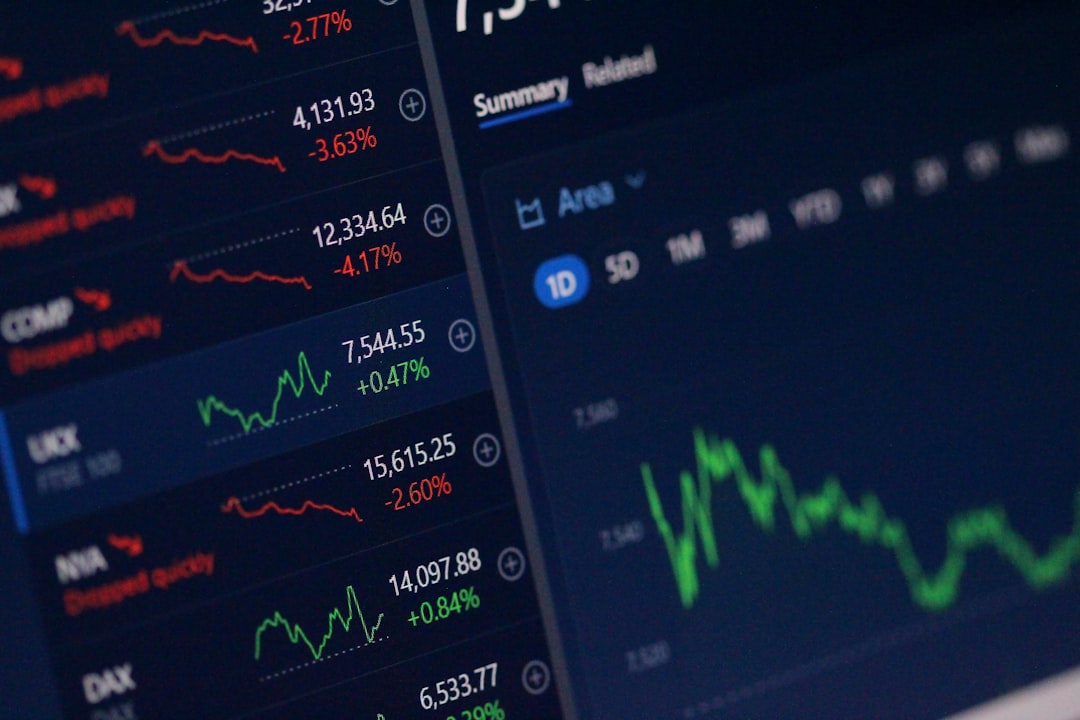
To navigate the world of investing, it’s crucial to have a solid grasp of the market landscape. The market is not just a single entity; it’s a complex ecosystem influenced by various factors, including economic indicators, geopolitical events, and investor sentiment. Understanding these elements can help you make informed decisions. For instance, knowing how interest rates affect stock prices or how inflation impacts purchasing power can provide valuable insights into market movements.
Moreover, different markets operate under different rules and conditions. The stock market, for example, is often characterized by volatility and rapid changes, while the bond market tends to be more stable but offers lower returns. Familiarizing yourself with these distinctions can help you tailor your investment strategy to align with your financial goals and risk tolerance.
Researching and Analyzing
Once you have a foundational understanding of the market, the next step is to dive into research and analysis. This involves gathering data on potential investments, whether they are stocks, bonds, or other assets. Start by looking at financial statements, earnings reports, and market trends. These documents provide a wealth of information about a company’s performance and future prospects.
In addition to quantitative data, qualitative analysis is equally important. This includes understanding the company’s management team, its competitive position in the industry, and any potential risks it may face. Combining both types of analysis can give you a more comprehensive view of an investment’s potential. Tools like financial news websites, stock screeners, and analytical software can aid in this process, making it easier to sift through vast amounts of information.
Setting Realistic Goals

Setting realistic investment goals is essential for long-term success. It’s easy to get caught up in the excitement of potential gains, but having clear, achievable objectives can keep you grounded. Start by defining what you want to achieve—whether it’s saving for retirement, funding a child’s education, or simply growing your wealth over time.
Once you have your goals in mind, consider the time frame for each one. Short-term goals may require a different strategy than long-term ones. For instance, if you’re looking to buy a house in five years, you might prioritize more stable investments compared to someone who is investing for retirement 30 years down the line. By aligning your investment strategy with your goals and timelines, you can create a more focused approach that increases your chances of success.
Managing Risk

Risk management is a critical component of any investment strategy. Every investment carries some level of risk, whether it’s market volatility or the potential for loss. Understanding your risk tolerance—how much risk you’re willing to take on—is vital in shaping your investment choices.
One effective way to manage risk is through asset allocation. This involves spreading your investments across different asset classes—such as stocks, bonds, and real estate—to reduce exposure to any single investment’s poor performance. Additionally, setting stop-loss orders can help protect your investments by automatically selling them if they fall below a certain price. By being proactive about risk management, you can safeguard your portfolio against unexpected downturns.
Diversifying Your Portfolio
| Metrics | Data |
|---|---|
| Number of Cryptocurrencies Traded | 5000 |
| Trading Volume (24h) | 100 billion |
| Number of Cryptocurrency Exchanges | 200 |
| Market Capitalization | 2 trillion |
Diversification is often touted as one of the best strategies for reducing risk in investing. By holding a variety of assets across different sectors and geographic regions, you can mitigate the impact of any single investment’s poor performance on your overall portfolio. For example, if one sector experiences a downturn, gains in another sector can help offset those losses.
When diversifying, consider not only different asset classes but also varying investment styles and strategies. This could mean mixing growth stocks with value stocks or including international investments alongside domestic ones. The key is to create a balanced portfolio that aligns with your risk tolerance and investment goals while also providing exposure to various market opportunities.
Keeping Up with Market Trends
Staying informed about market trends is essential for making timely investment decisions. Markets are constantly evolving due to economic changes, technological advancements, and shifts in consumer behavior. Regularly reading financial news, following market analysts on social media, and subscribing to investment newsletters can help you stay updated on the latest developments.
Additionally, understanding broader economic indicators—such as unemployment rates, GDP growth, and consumer confidence—can provide context for market movements. For instance, if consumer confidence is rising, it may signal increased spending and potentially boost stock prices. By keeping an eye on these trends and indicators, you can better position yourself to capitalize on emerging opportunities.
Utilizing Trading Tools and Technology
In today’s digital age, leveraging trading tools and technology can significantly enhance your investing experience. Various platforms offer features like real-time data analysis, charting tools, and automated trading options that can streamline your decision-making process. Familiarizing yourself with these tools can save time and improve your efficiency.
For instance, many brokerage platforms provide mobile apps that allow you to monitor your investments on the go. These apps often include features like alerts for price changes or news updates related to your holdings. Additionally, algorithmic trading tools can help execute trades based on predefined criteria, allowing for quicker responses to market changes without requiring constant monitoring.
Seeking Professional Advice
While self-education is invaluable in investing, there are times when seeking professional advice can be beneficial. Financial advisors can offer personalized guidance based on your unique financial situation and goals. They can help you navigate complex investment strategies and provide insights that may not be readily available through self-research.
When choosing a financial advisor, look for someone with relevant experience and credentials who understands your investment philosophy. It’s also important to discuss fees upfront to ensure their services align with your budget. A good advisor will not only help you create a tailored investment plan but also provide ongoing support as your financial situation evolves.
In conclusion, investing is a multifaceted journey that requires careful consideration and planning. By understanding the market dynamics, conducting thorough research, setting realistic goals, managing risk effectively, diversifying your portfolio, keeping up with trends, utilizing technology, and seeking professional advice when needed, you can enhance your chances of achieving financial success. Each step plays a crucial role in building a robust investment strategy that aligns with your personal objectives and risk tolerance.
FAQs
What is cryptocurrency trading?
Cryptocurrency trading involves the buying, selling, and exchanging of digital currencies using various online platforms and exchanges. Traders aim to profit from the price fluctuations of cryptocurrencies such as Bitcoin, Ethereum, and others.
How does cryptocurrency trading work?
Cryptocurrency trading works similarly to traditional stock trading, where traders buy and sell digital currencies based on their market value. Traders can use different trading strategies, such as day trading, swing trading, and long-term investing, to capitalize on price movements.
What are the risks associated with cryptocurrency trading?
Cryptocurrency trading carries several risks, including price volatility, market manipulation, security breaches, and regulatory uncertainty. Traders should be aware of these risks and conduct thorough research before engaging in cryptocurrency trading.
What are the popular cryptocurrency trading platforms?
Popular cryptocurrency trading platforms include Coinbase, Binance, Kraken, and Bitfinex. These platforms offer a range of features such as trading pairs, charting tools, and security measures to facilitate cryptocurrency trading.
Is cryptocurrency trading legal?
The legality of cryptocurrency trading varies by country and is subject to regulatory changes. Traders should be aware of the legal status of cryptocurrency trading in their jurisdiction and comply with any applicable laws and regulations.