
Top 5 Most Impressive Oil Tanker Designs
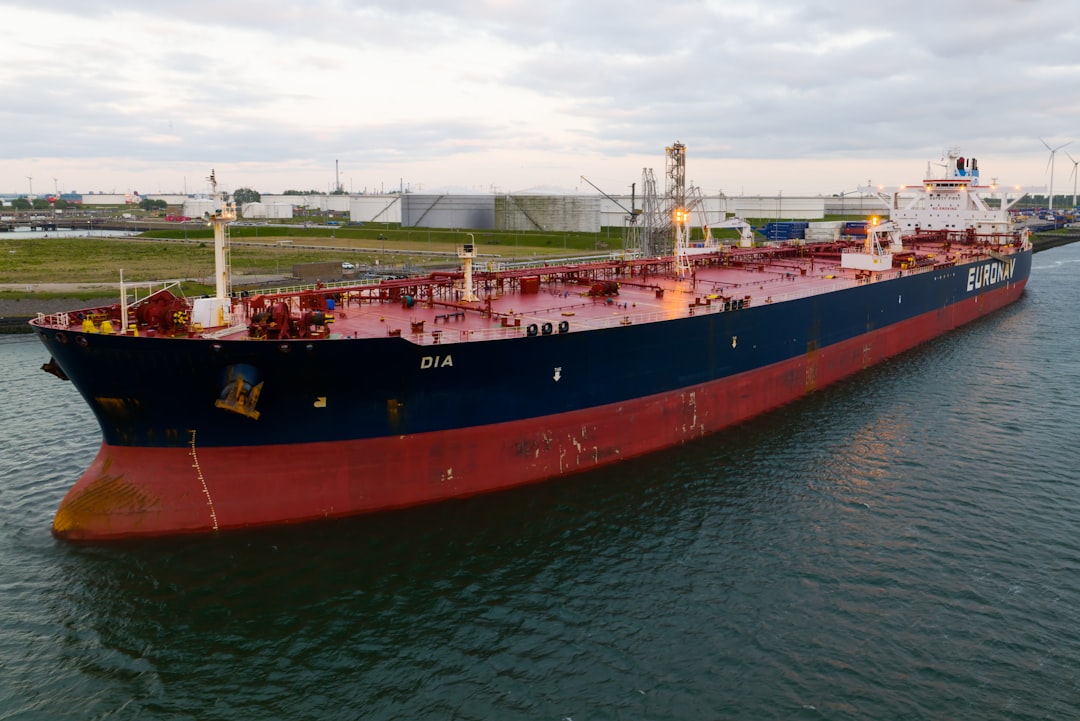
The design of oil tankers has evolved significantly over the decades, driven by the need for efficiency, safety, and environmental protection. As global demand for oil continues to rise, the shipping industry faces the challenge of transporting vast quantities of crude oil and refined products across oceans. The design of these vessels is not merely a matter of aesthetics; it encompasses a complex interplay of engineering, technology, and regulatory compliance. The modern oil tanker must be capable of withstanding harsh marine environments while ensuring the safe transport of hazardous materials.
In recent years, the focus on sustainability has intensified, prompting designers and engineers to innovate in ways that minimize the environmental impact of oil transportation. This evolution reflects a broader trend within the maritime industry, where the balance between economic viability and ecological responsibility is increasingly paramount. As such, the design of oil tankers is not only about meeting current demands but also about anticipating future challenges and opportunities in a rapidly changing world.
Double Hull Design: Enhancing Safety and Environmental Protection
One of the most significant advancements in oil tanker design is the implementation of double hull technology. This design features two layers of hull plating, creating a protective barrier that significantly reduces the risk of oil spills in the event of a collision or grounding. The double hull acts as a safeguard, containing any potential leaks within the space between the two layers, thereby minimizing environmental damage and enhancing safety for crew members and marine life alike.
The introduction of double hulls was largely a response to catastrophic oil spills that highlighted the vulnerabilities of single-hulled tankers. Regulatory bodies, such as the International Maritime Organization (IMO), have mandated this design for new tankers, recognizing its critical role in preventing environmental disasters. As a result, double hull tankers have become the standard in the industry, reflecting a commitment to safer shipping practices and a proactive approach to environmental stewardship.
LNG-Powered Tankers: The Future of Sustainable Shipping
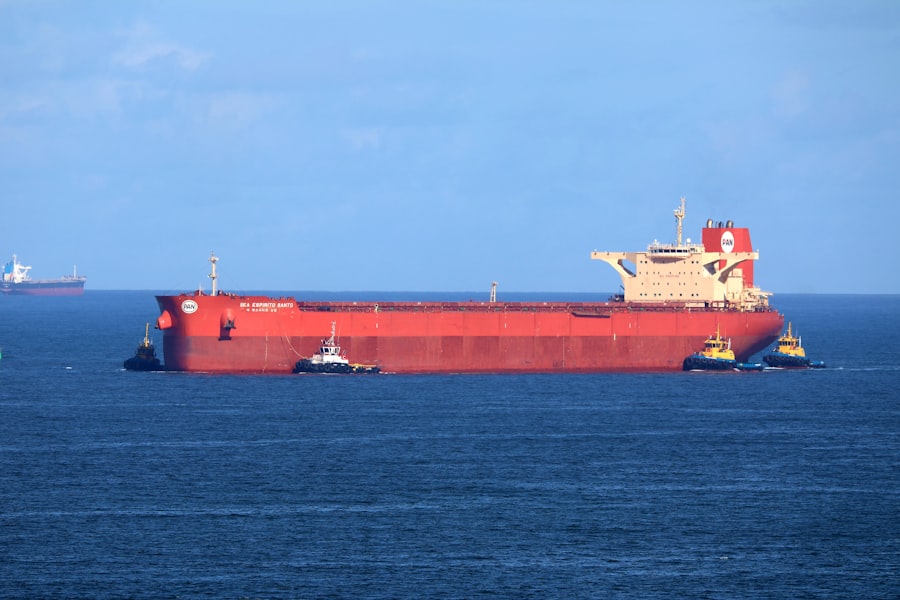
Liquefied Natural Gas (LNG) has emerged as a cleaner alternative to traditional marine fuels, leading to the development of LNG-powered tankers. These vessels utilize LNG as their primary fuel source, significantly reducing greenhouse gas emissions and other pollutants compared to conventional oil-fueled ships. The shift towards LNG-powered tankers represents a pivotal moment in the quest for sustainable shipping solutions, aligning with global efforts to combat climate change.
The design of LNG-powered tankers incorporates specialized storage systems to safely contain the cryogenic fuel at extremely low temperatures. This innovation not only enhances operational efficiency but also contributes to a reduction in fuel costs over time. As more shipping companies recognize the benefits of LNG, the demand for these vessels is expected to grow, paving the way for a more sustainable future in maritime transportation.
Ultra Large Crude Carriers (ULCCs): Pushing the Limits of Size and Capacity
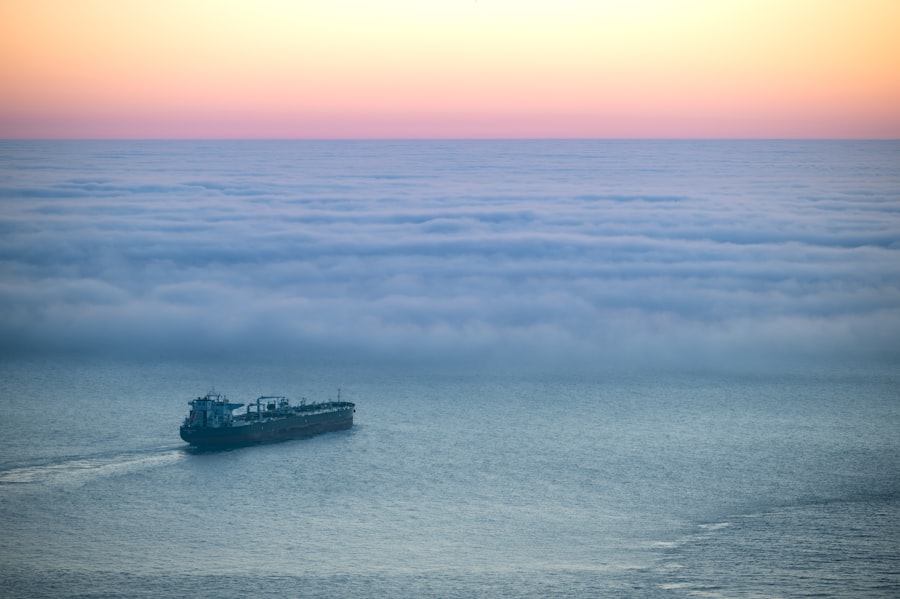
Ultra Large Crude Carriers (ULCCs) epitomize the trend towards larger vessels in the oil shipping industry. These colossal tankers can carry over 400,000 deadweight tons (DWT) of crude oil, making them some of the largest ships ever constructed. The design of ULCCs focuses on maximizing cargo capacity while maintaining stability and safety at sea. Their immense size allows for economies of scale, reducing transportation costs per barrel of oil.
However, the sheer size of ULCCs also presents unique challenges. Navigating narrow straits and congested ports requires advanced engineering solutions and careful planning. Additionally, ULCCs must adhere to stringent safety regulations to mitigate risks associated with their size and cargo. As global oil demand continues to rise, ULCCs will play an increasingly vital role in meeting these needs while pushing the boundaries of maritime engineering.
Ice-Class Tankers: Navigating Challenging Arctic Waters
| Oil Tanker Metrics | Value |
|---|---|
| Capacity | 100,000 – 2,000,000 DWT |
| Length | 200 – 400 meters |
| Speed | 12 – 20 knots |
| Typical Cargo | Crude oil, petroleum products |
| Operating Areas | Global, major shipping routes |
As climate change opens new shipping routes in the Arctic, ice-class tankers have become essential for navigating these challenging waters. Designed with reinforced hulls and specialized features to withstand extreme cold and ice conditions, these vessels are equipped to transport oil and gas resources from remote regions. The design considerations for ice-class tankers include enhanced structural integrity and advanced propulsion systems that allow them to maneuver through thick ice.
The importance of ice-class tankers extends beyond mere transportation; they also play a crucial role in ensuring safe operations in fragile ecosystems. By adhering to strict environmental regulations and employing best practices, these vessels help mitigate potential impacts on marine life and local communities. As exploration in Arctic regions increases, ice-class tankers will be at the forefront of responsible resource extraction and transportation.
Smart Tankers: Incorporating Advanced Technology for Efficiency and Safety
The advent of smart technology has revolutionized oil tanker design, leading to the emergence of smart tankers equipped with advanced systems for monitoring and control. These vessels utilize data analytics, artificial intelligence, and automation to enhance operational efficiency and safety. For instance, smart tankers can optimize fuel consumption by analyzing real-time data on weather conditions, sea currents, and vessel performance.
Moreover, smart technology enables proactive maintenance by predicting potential equipment failures before they occur. This predictive approach not only reduces downtime but also enhances safety by minimizing the risk of accidents caused by mechanical failures. As the maritime industry continues to embrace digital transformation, smart tankers represent a significant leap forward in achieving greater efficiency and safety in oil transportation.
Shuttle Tankers: Ensuring Safe and Efficient Offloading Operations
Shuttle tankers play a crucial role in offshore oil production by transporting crude oil from floating production facilities to shore-based terminals or refineries. These specialized vessels are designed for dynamic positioning and can operate in challenging weather conditions while ensuring safe offloading operations. The design of shuttle tankers incorporates features that enhance their maneuverability and stability during loading and unloading processes.
The importance of shuttle tankers extends beyond their operational capabilities; they also contribute to reducing environmental risks associated with offshore oil production. By facilitating efficient transportation from remote locations, shuttle tankers help minimize the need for additional infrastructure while ensuring that crude oil is delivered safely and efficiently to market. As offshore production continues to expand, shuttle tankers will remain integral to the industry’s logistics.
Dynamic Positioning Systems: Enabling Precise Maneuvering and Station-Keeping
Dynamic positioning systems (DPS) have become essential components in modern oil tanker design, allowing vessels to maintain their position without anchoring. Utilizing a combination of GPS, gyroscopes, and thrusters, DPS enables precise maneuvering even in challenging conditions such as strong currents or high winds. This technology is particularly valuable for shuttle tankers operating near offshore platforms or during loading operations.
The ability to maintain position with high accuracy enhances safety during critical operations while reducing the risk of accidents or spills. Furthermore, DPS contributes to operational efficiency by minimizing fuel consumption during station-keeping maneuvers. As technology continues to advance, dynamic positioning systems will likely become even more sophisticated, further enhancing the capabilities of modern oil tankers.
Advanced Coating and Corrosion Protection: Prolonging the Lifespan of Tankers
The harsh marine environment poses significant challenges for oil tankers, particularly concerning corrosion and wear on hull surfaces. To combat these issues, advanced coating technologies have been developed to protect vessels from corrosion while enhancing their overall performance. These coatings not only extend the lifespan of tankers but also improve fuel efficiency by reducing frictional resistance in water.
Innovations in coating materials have led to the development of self-cleaning surfaces that minimize biofouling—an accumulation of marine organisms that can adversely affect vessel performance. By investing in advanced coating solutions, shipowners can reduce maintenance costs and improve operational efficiency over time. As environmental regulations become more stringent, effective corrosion protection will be crucial for ensuring compliance while maintaining vessel integrity.
Innovative Ballast Water Treatment Systems: Minimizing Environmental Impact
Ballast water treatment systems have gained prominence in recent years due to growing concerns about invasive species being transported via ballast water from one region to another. These systems are designed to treat ballast water before it is discharged into new environments, effectively minimizing ecological risks associated with shipping activities. The design of these systems incorporates advanced filtration and disinfection technologies that ensure compliance with international regulations.
By implementing innovative ballast water treatment solutions, oil tankers can play a proactive role in protecting marine ecosystems while continuing their operations efficiently. The adoption of these systems reflects a broader commitment within the maritime industry to address environmental challenges and promote sustainable practices. As regulations evolve, investment in ballast water treatment technologies will be essential for maintaining operational viability.
The Evolution of Oil Tanker Designs and the Future of the Industry
The evolution of oil tanker designs reflects a dynamic interplay between technological advancements, regulatory requirements, and environmental considerations. From double hull designs that enhance safety to LNG-powered vessels that promote sustainability, each innovation represents a response to the challenges faced by the maritime industry today. As global demand for oil continues to grow alongside increasing environmental awareness, the future of oil tanker design will undoubtedly focus on balancing efficiency with ecological responsibility.
Looking ahead, it is clear that continued innovation will be essential for addressing emerging challenges within the industry. The integration of smart technologies, advanced coatings, and effective ballast water treatment systems will shape the next generation of oil tankers as they navigate an increasingly complex maritime landscape. Ultimately, the evolution of oil tanker designs will play a pivotal role in ensuring safe and sustainable shipping practices for years to come.