
Top 5 Electric Cars That Will Change the Way You Drive
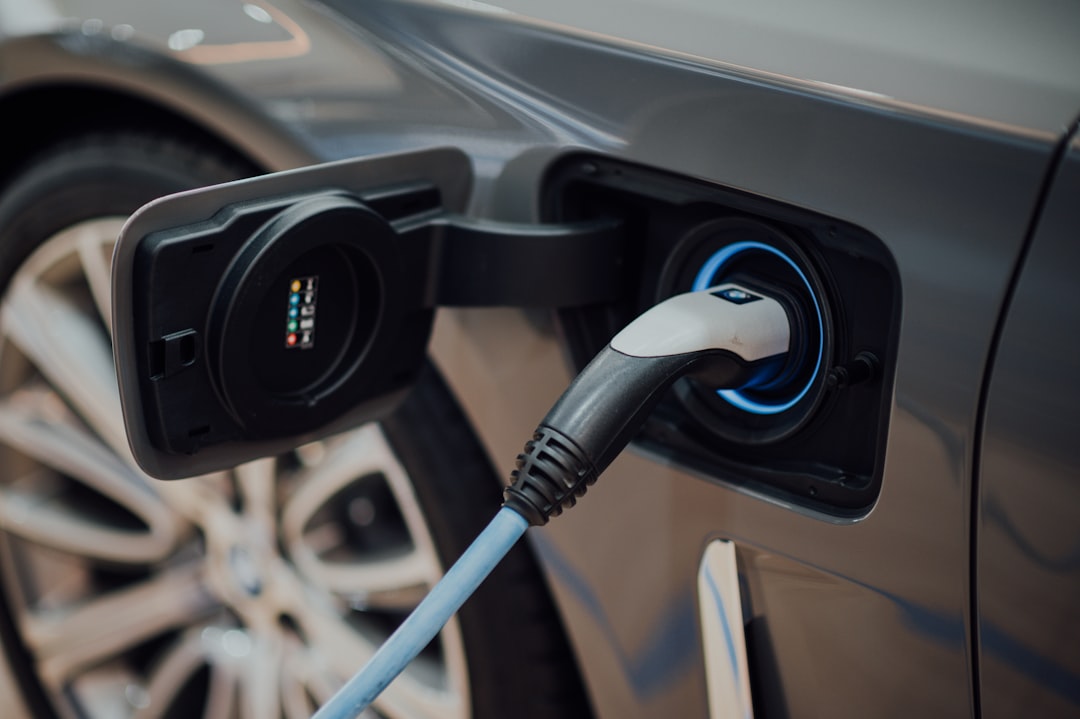
The automotive industry has witnessed a remarkable transformation over the past decade, with electric cars emerging as a dominant force in the market. This shift can be attributed to a confluence of factors, including advancements in technology, growing environmental concerns, and changing consumer preferences. As governments around the world implement stricter emissions regulations and offer incentives for electric vehicle (EV) adoption, manufacturers are increasingly investing in electric mobility solutions. The rise of electric cars is not merely a trend; it represents a fundamental change in how society views transportation and its impact on the planet.
In recent years, the proliferation of charging infrastructure has also played a crucial role in the acceptance of electric vehicles. With more charging stations being installed in urban areas and along highways, potential buyers are becoming less apprehensive about the practicality of owning an EV. Furthermore, the increasing range of electric vehicles has alleviated concerns about battery life and performance. As a result, electric cars are no longer seen as niche products but rather as viable alternatives to traditional gasoline-powered vehicles. This evolution marks a significant milestone in the quest for sustainable transportation solutions.
Tesla Model S: The Game Changer
Among the many electric vehicles that have entered the market, the Tesla Model S stands out as a true game changer. Launched in 2012, this luxury sedan redefined expectations for electric cars by combining high performance with cutting-edge technology. The Model S boasts impressive acceleration, with some variants capable of going from 0 to 60 mph in under three seconds. This level of performance has not only attracted car enthusiasts but has also challenged the perception that electric vehicles lack power and speed.
Beyond its performance capabilities, the Tesla Model S is equipped with an array of innovative features that enhance the driving experience. The vehicle’s minimalist interior is dominated by a large touchscreen interface that controls nearly all functions, from navigation to climate control. Additionally, Tesla’s Autopilot feature offers advanced driver-assistance capabilities, paving the way for future autonomous driving technologies. The Model S has set a high bar for competitors, proving that electric cars can be both luxurious and practical while appealing to a broad audience.
Chevrolet Bolt EV: Affordable and Efficient
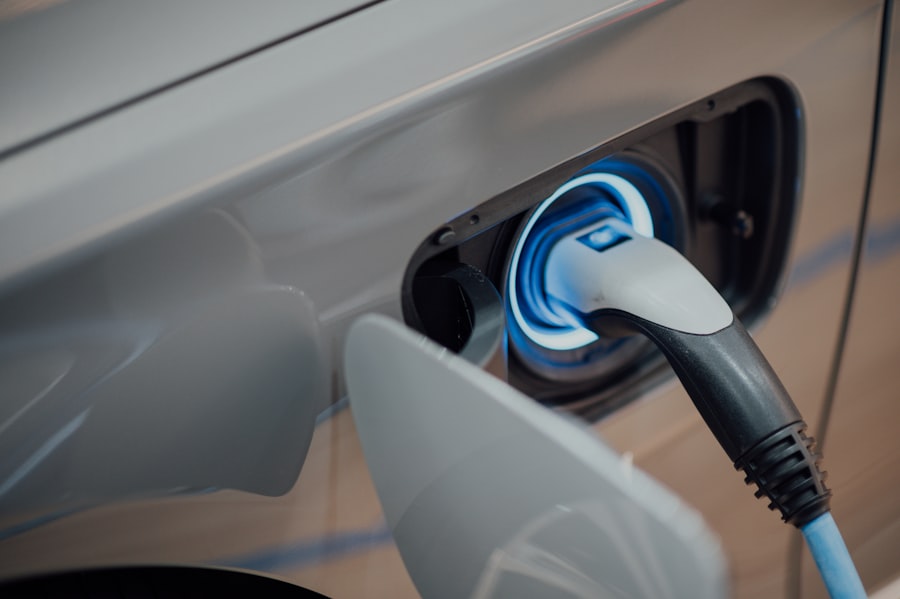
In contrast to the high-end Tesla Model S, the Chevrolet Bolt EV represents an affordable and efficient option for consumers looking to transition to electric driving. Launched in 2016, the Bolt EV quickly gained popularity due to its competitive pricing and impressive range. With an estimated range of over 250 miles on a single charge, it addresses one of the primary concerns potential buyers have about electric vehicles: range anxiety. This makes it an attractive choice for both urban commuters and those who frequently embark on longer journeys.
The Bolt EV’s affordability does not come at the expense of features or performance. It offers a spacious interior with ample cargo space, making it practical for families and individuals alike. Additionally, its peppy acceleration and responsive handling provide an enjoyable driving experience. Chevrolet has also made efforts to enhance the Bolt’s technology offerings, including a user-friendly infotainment system and various safety features. As a result, the Chevrolet Bolt EV has carved out a significant niche in the electric vehicle market, appealing to budget-conscious consumers who do not want to compromise on quality or efficiency.
Nissan Leaf: The Best-Selling Electric Car
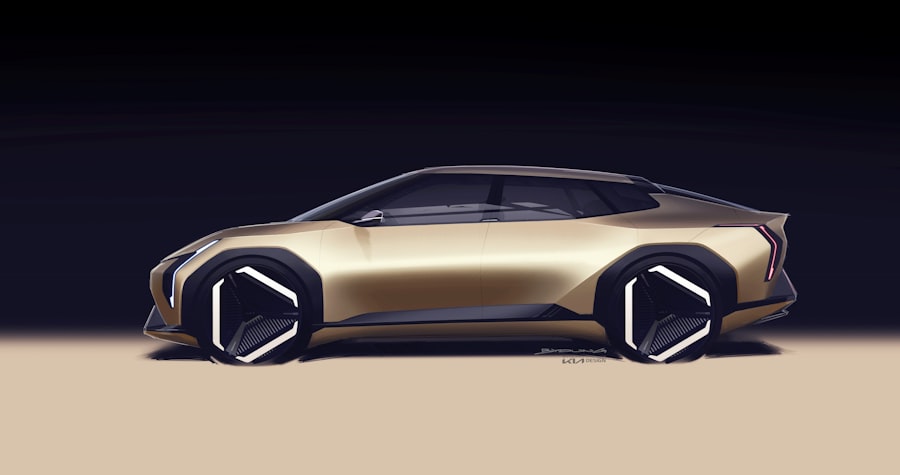
The Nissan Leaf has earned its place as one of the best-selling electric cars globally since its introduction in 2010. With its practical design and user-friendly features, the Leaf has become synonymous with electric mobility for many consumers. Its success can be attributed to its affordability, reliability, and ease of use, making it an ideal choice for first-time electric vehicle buyers. Over the years, Nissan has continuously improved the Leaf’s range and performance, ensuring it remains competitive in an ever-evolving market.
One of the key factors contributing to the Leaf’s popularity is its commitment to sustainability. Nissan has positioned the Leaf as an environmentally friendly option that aligns with consumers’ growing awareness of climate change and ecological responsibility. The vehicle’s zero-emission status resonates with buyers who prioritize reducing their carbon footprint. Furthermore, Nissan’s investment in charging infrastructure and partnerships with various organizations have made it easier for Leaf owners to access charging stations, further enhancing its appeal as a practical everyday vehicle.
BMW i3: A Stylish and Sustainable Option
| Electric Car Metrics | 2019 | 2020 | 2021 |
|---|---|---|---|
| Number of Electric Cars Sold | 2.1 million | 3.2 million | 4.6 million |
| Electric Car Market Share | 2.5% | 3.5% | 5.0% |
| Electric Car Range (miles) | 150 | 200 | 250 |
| Charging Stations Worldwide | 1.2 million | 1.8 million | 2.5 million |
The BMW i3 stands out in the electric vehicle landscape not only for its eco-friendly credentials but also for its distinctive design and premium feel. Launched in 2013, this compact hatchback was one of BMW’s first forays into electric mobility and showcased the brand’s commitment to sustainability without sacrificing style or performance. The i3 features a unique exterior design characterized by its boxy shape and innovative use of sustainable materials, such as recycled plastics and natural fibers.
Inside, the BMW i3 offers a modern and spacious cabin that emphasizes comfort and technology. The vehicle is equipped with advanced infotainment systems and driver-assistance features that enhance both convenience and safety. Its agile handling and zippy acceleration make it a joy to drive in urban environments, while its compact size allows for easy maneuverability in tight spaces. The i3 appeals to environmentally conscious consumers who seek a stylish yet sustainable option in their choice of transportation.
Audi e-tron: Luxury Meets Electric Power
As luxury automakers increasingly embrace electric mobility, the Audi e-tron has emerged as a prime example of how high-end brands can successfully transition to electric power without compromising on luxury or performance. Launched in 2018, the e-tron is Audi’s first fully electric SUV, combining the brand’s signature design elements with cutting-edge technology and impressive performance capabilities. With its spacious interior and advanced features, the e-tron caters to consumers seeking both comfort and sustainability.
The Audi e-tron is equipped with dual electric motors that provide all-wheel drive and rapid acceleration, making it a formidable contender in the luxury SUV segment. Its sophisticated interior features high-quality materials and state-of-the-art technology, including multiple touchscreen displays for infotainment and vehicle controls. Additionally, Audi has prioritized safety with an array of driver-assistance features designed to enhance peace of mind on the road. By blending luxury with electric power, the Audi e-tron exemplifies how traditional automakers can adapt to changing consumer preferences while maintaining their brand identity.
The Future of Electric Cars
The future of electric cars appears bright as technological advancements continue to reshape the automotive landscape. With ongoing research into battery technology, manufacturers are working tirelessly to develop batteries that offer longer ranges, shorter charging times, and reduced costs. Solid-state batteries are emerging as a promising alternative to traditional lithium-ion batteries, potentially revolutionizing energy storage in electric vehicles. As these innovations come to fruition, consumers can expect even more efficient and powerful electric cars in the coming years.
Moreover, governments worldwide are increasingly committing to phasing out internal combustion engines in favor of electric vehicles. Many countries have set ambitious targets for transitioning their automotive fleets to zero-emission vehicles by 2030 or 2040. This regulatory push is likely to accelerate investment in charging infrastructure and further incentivize manufacturers to expand their electric offerings. As public awareness of climate change grows, consumers are likely to embrace electric vehicles as not just an alternative but as a preferred mode of transportation.
The Environmental Impact of Electric Cars
Electric cars are often heralded as a solution to reducing greenhouse gas emissions and combating climate change. By operating on electricity rather than fossil fuels, they produce zero tailpipe emissions, significantly lowering air pollution levels in urban areas where traffic congestion is prevalent. However, it is essential to consider the entire lifecycle of electric vehicles when assessing their environmental impact. This includes factors such as battery production, energy sources used for charging, and end-of-life disposal.
While battery production does have environmental implications—particularly concerning mining practices for lithium and cobalt—many manufacturers are actively working to improve sustainability throughout their supply chains. Additionally, as renewable energy sources like solar and wind become more prevalent in electricity generation, the overall carbon footprint associated with charging electric vehicles will continue to decrease. Ultimately, when compared to traditional gasoline-powered vehicles over their entire lifecycle, electric cars present a more sustainable option for reducing environmental harm.
The Advantages of Owning an Electric Car
Owning an electric car comes with numerous advantages that extend beyond environmental benefits. One significant perk is lower operating costs; electric vehicles typically have fewer moving parts than internal combustion engines, resulting in reduced maintenance expenses over time. Additionally, electricity is often cheaper than gasoline on a per-mile basis, allowing owners to save money on fuel costs. Many regions also offer incentives such as tax credits or rebates for purchasing electric vehicles, further enhancing their affordability.
Another advantage is the convenience of home charging. Electric car owners can charge their vehicles overnight at home, eliminating trips to gas stations and providing peace of mind knowing their vehicle is ready for use each day. Furthermore, many electric vehicles come equipped with advanced technology features that enhance safety and connectivity while driving. From smartphone integration to autonomous driving capabilities, these innovations make owning an electric car not only practical but also enjoyable.
Overcoming Range Anxiety with Electric Cars
Range anxiety—the fear of running out of battery power before reaching a charging station—has long been cited as a barrier to widespread electric vehicle adoption. However, advancements in battery technology have significantly improved the range of modern electric cars, alleviating many concerns associated with this issue. Many new models now offer ranges exceeding 200 miles on a single charge, making them suitable for daily commutes as well as longer road trips.
Moreover, the expansion of charging infrastructure has played a pivotal role in addressing range anxiety. With more public charging stations being installed across cities and highways, drivers can confidently plan longer journeys without fear of being stranded due to low battery levels. Fast-charging stations allow drivers to recharge their vehicles quickly during breaks or while running errands, further enhancing convenience. As awareness grows about available charging options and ranges improve, range anxiety is becoming less of a concern for potential electric vehicle buyers.
The Evolution of Electric Car Technology
The evolution of electric car technology has been nothing short of remarkable over the past few decades. Early electric vehicles were often limited by inadequate battery technology and lackluster performance compared to their gasoline counterparts. However, significant advancements in battery chemistry have led to increased energy density and efficiency, allowing modern electric cars to achieve impressive ranges and performance levels that were once thought impossible.
In addition to battery improvements, innovations in regenerative braking systems have enhanced energy efficiency by capturing energy typically lost during braking and redirecting it back into the battery system. Furthermore, advancements in software technology have enabled features such as over-the-air updates that allow manufacturers to improve vehicle performance and add new functionalities long after purchase. As research continues into new materials and technologies—such as solid-state batteries and wireless charging—the future holds even more promise for electric vehicle development.
In conclusion, the rise of electric cars marks a significant shift in transportation paradigms driven by technological advancements and changing consumer attitudes toward sustainability. From groundbreaking models like the Tesla Model S to affordable options like the Chevrolet Bolt EV and best-sellers like the Nissan Leaf, there is an increasing variety of choices available for consumers looking to make the switch to electric driving. As manufacturers continue to innovate and governments support this transition through policy initiatives, it is clear that electric vehicles will play an essential role in shaping the future of mobility while contributing positively to environmental sustainability efforts worldwide.