
Countdown to Kickoff: When Does the World Cup Start?
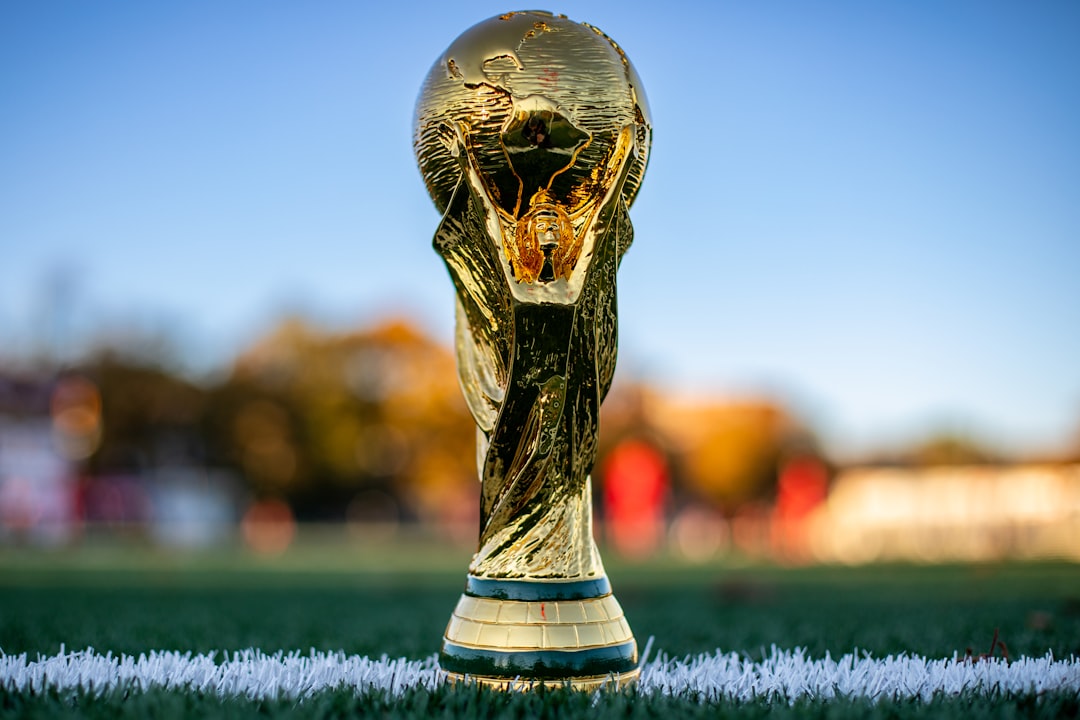
The FIFA World Cup is one of the most anticipated sporting events in the world, capturing the hearts of millions of fans across the globe. Held every four years, this tournament showcases the best national teams in football, competing for the prestigious title. The excitement surrounding the World Cup is palpable, as it brings together diverse cultures and unites people through their shared love for the game. Whether you’re a die-hard football fan or a casual viewer, the World Cup offers something for everyone, making it a truly global phenomenon.
As we gear up for the next edition of the World Cup, it’s essential to understand what makes this event so special. From its rich history to the intense qualification process, every aspect contributes to the tournament’s allure. In this article, we’ll explore the various facets of the World Cup, including its history, qualification process, host countries, and much more. So, let’s dive in and discover what makes the World Cup a must-watch event.
History of the World Cup
The World Cup has a storied history that dates back to its inaugural tournament in 1930. Organized by FIFA, the first World Cup took place in Uruguay, where the host nation emerged victorious. Over the years, the tournament has evolved significantly, both in terms of its scale and its global reach. Initially featuring just 13 teams, the World Cup has grown to include 32 teams since 1998, with plans to expand to 48 teams in future tournaments.
Throughout its history, the World Cup has seen unforgettable moments and legendary players. From Pelé’s dazzling performances in the 1960s to Diego Maradona’s infamous “Hand of God” goal in 1986, these events have left an indelible mark on football history. The tournament has also been a platform for social change, reflecting broader societal issues and fostering unity among nations. Each edition tells a unique story, making it a fascinating subject for both fans and historians alike.
Qualification process for the World Cup

The road to the World Cup begins long before the tournament itself, with a rigorous qualification process that spans several years. Each of FIFA’s six continental confederations organizes its own qualifying tournaments, allowing teams from around the world to compete for a coveted spot in the finals. This process not only tests the skill and determination of national teams but also adds an element of drama and excitement as nations vie for their chance to shine on the world stage.
The qualification matches typically begin two to three years before the World Cup, with teams playing home-and-away fixtures against their regional rivals. The number of spots available for each confederation varies based on FIFA’s allocation system, which takes into account factors such as historical performance and regional strength. This means that some regions have more opportunities than others, leading to fierce competition and often surprising outcomes as underdog teams emerge to challenge traditional powerhouses.
Host country and stadiums
The choice of host country plays a significant role in shaping the World Cup experience. Each tournament is held in a different nation, showcasing its culture and hospitality while providing a unique backdrop for the matches. The selection process for host countries is highly competitive and involves extensive bidding from nations eager to showcase their facilities and infrastructure.
Stadiums are at the heart of the World Cup experience, with each venue designed to accommodate thousands of passionate fans. From iconic arenas like Maracanã in Brazil to modern marvels like Lusail Stadium in Qatar, these venues are not just places to watch football; they are symbols of national pride and architectural achievement. The atmosphere inside these stadiums during matches is electric, as fans come together to support their teams and celebrate their shared love for the sport.
Teams and players to watch
| Event | Date |
|---|---|
| Start of the World Cup | November 21, 2022 |
As we approach the World Cup, certain teams and players stand out as potential stars of the tournament. Traditional powerhouses like Brazil, Germany, and Argentina are always contenders, boasting rich footballing histories and world-class talent. However, emerging nations like Belgium and Croatia have also made significant strides in recent years, proving that they can compete with the best on the global stage.
Individual players often capture the spotlight during the World Cup, with superstars like Lionel Messi and Cristiano Ronaldo drawing attention from fans worldwide. Their skill and charisma can elevate a team’s performance and create unforgettable moments on the pitch. Additionally, younger talents are always looking to make their mark on this grand stage, providing an exciting mix of established stars and fresh faces that keep fans engaged throughout the tournament.
Schedule of matches
The schedule of matches is a crucial aspect of any World Cup, dictating when and where fans can catch their favorite teams in action. Typically spanning about a month, the tournament features a series of group stage matches followed by knockout rounds leading up to the final. The group stage consists of four teams per group playing round-robin matches, with the top two teams from each group advancing to the knockout phase.
Fans eagerly anticipate match schedules as they plan their viewing parties or travel arrangements to attend games in person. The timing of matches can also impact team performance; playing during peak hours can lead to packed stadiums and heightened energy levels. As match days approach, excitement builds as fans mark their calendars and prepare for what promises to be an exhilarating month of football.
Opening ceremony and festivities
The opening ceremony of the World Cup is a spectacle in itself, setting the tone for the entire tournament. This event typically features vibrant performances that showcase the host country’s culture and traditions while celebrating football’s universal appeal. From elaborate dance routines to musical performances by renowned artists, the opening ceremony aims to captivate audiences both in-stadium and at home.
In addition to the ceremony itself, various festivities surround the World Cup, creating a festive atmosphere in host cities. Fan zones are set up where supporters can gather to watch matches on big screens, enjoy local food and drink, and participate in activities that celebrate football culture. These events foster camaraderie among fans from different nations and create lasting memories that extend beyond just watching matches.
TV coverage and streaming options
With millions of fans eager to follow every moment of the World Cup, TV coverage and streaming options are essential for ensuring that everyone can enjoy the action. Major broadcasters around the world secure rights to air matches live, providing comprehensive coverage that includes pre-match analysis, commentary, and post-match discussions.
In addition to traditional television broadcasts, streaming services have become increasingly popular for viewers who prefer watching on their devices. Many networks offer online streaming options or dedicated apps that allow fans to catch matches on-the-go. This flexibility ensures that no one has to miss out on their favorite teams’ performances, regardless of where they are or how they choose to watch.
Impact of the World Cup on the host country
Hosting the World Cup can have profound effects on a nation’s economy and infrastructure. The influx of tourists brings significant revenue through hospitality services such as hotels, restaurants, and transportation. Additionally, investments in stadiums and facilities often lead to long-term benefits for local communities by improving infrastructure that can be used long after the tournament concludes.
However, hosting such a large-scale event also comes with challenges. There are concerns about displacement due to construction projects or increased costs for local residents during peak tourist seasons. Balancing these factors is crucial for ensuring that hosting the World Cup leaves a positive legacy for future generations while also celebrating football’s global spirit.
Predictions and expectations for the tournament
As anticipation builds for each World Cup edition, predictions about which teams will excel often dominate conversations among fans and analysts alike. While traditional powerhouses are frequently favored based on historical performance, surprises are always possible in this unpredictable sport. Factors such as team form leading up to the tournament, injuries to key players, and even weather conditions can all influence outcomes.
Expectations also vary among fans; some hope for their national team to make a deep run while others simply want an entertaining tournament filled with memorable moments. Regardless of individual hopes or predictions, one thing is certain: every World Cup brings its own unique storylines that keep fans engaged from start to finish.
Conclusion and final thoughts
The FIFA World Cup is more than just a football tournament; it’s a celebration of culture, unity, and passion that resonates with people around the world. From its rich history to its thrilling matches and unforgettable moments, every edition leaves an indelible mark on both fans and players alike. As we look forward to another exciting tournament ahead, it’s essential to appreciate all aspects that contribute to this global phenomenon.
Whether you’re planning to watch from home or travel to experience it live in person, there’s no denying that the World Cup offers something special for everyone involved. So gear up for an exhilarating month filled with drama, excitement, and unforgettable memories as nations come together to compete for glory on one of football’s biggest stages!
FAQs
1. When does the World Cup start?
The next FIFA World Cup is scheduled to start on November 21, 2022.
2. Where will the World Cup be held?
The 2022 FIFA World Cup will be held in Qatar.
3. How long will the World Cup last?
The tournament is set to last for 28 days, with the final match taking place on December 18, 2022.
4. How many teams will participate in the World Cup?
A total of 32 teams from around the world will participate in the 2022 FIFA World Cup.
5. What are the venues for the World Cup matches?
The matches will be held in eight different stadiums across five host cities in Qatar: Al-Daayen, Al-Khor, Al-Rayyan, Al-Wakrah, and Doha.