
Google Assistant Settles $68 Million Lawsuit: What You Need to Know
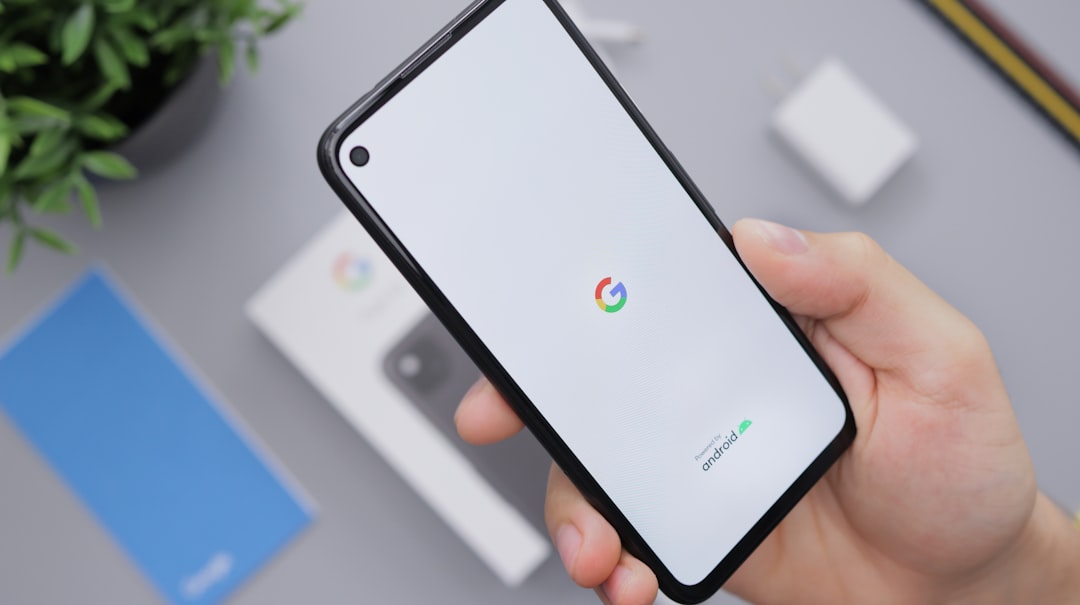
In recent years, the tech industry has faced increasing scrutiny over privacy practices and user data management. One of the most notable cases involved a lawsuit against Google, which raised significant questions about the ethical handling of user information. The lawsuit, filed by a group of concerned consumers, alleged that Google Assistant was collecting and storing personal data without proper consent. This legal battle not only highlighted the potential overreach of technology companies but also sparked a broader conversation about privacy rights in the digital age.
The implications of this lawsuit extended beyond Google itself, as it served as a wake-up call for many tech giants regarding their data collection practices. As consumers become more aware of their rights and the potential misuse of their information, the demand for transparency and accountability in the tech sector has grown. The case against Google was emblematic of a larger trend, where users are increasingly willing to challenge corporations that they believe are infringing upon their privacy.
Details of the Allegations
The allegations against Google were multifaceted, centering primarily on claims that Google Assistant was recording conversations without users’ explicit consent. Plaintiffs argued that the voice-activated assistant was not only listening for wake words but was also capturing snippets of conversations that occurred even when the device was not actively engaged. This raised serious concerns about the extent to which Google was monitoring users’ private lives.
Moreover, the lawsuit contended that Google failed to provide adequate disclosures regarding its data collection practices. Users were reportedly unaware that their interactions with Google Assistant could be stored and analyzed for various purposes, including targeted advertising. The plaintiffs claimed that this lack of transparency constituted a violation of consumer protection laws, as users were not given a fair opportunity to understand how their data was being used or to opt out of such practices.
Google’s Response

In response to the allegations, Google issued a statement asserting that it takes user privacy seriously and is committed to maintaining transparency in its operations. The company emphasized that it only collects data necessary for improving user experience and that users have control over their privacy settings. Google maintained that users could review and delete their voice recordings at any time through their account settings.
Despite these assurances, many critics argued that Google’s response fell short of addressing the core issues raised by the lawsuit. Skeptics pointed out that while users might have the ability to delete recordings, the default settings often favored data retention rather than user privacy. This led to further questions about whether Google was genuinely prioritizing user consent or merely paying lip service to privacy concerns in light of growing public scrutiny.
Settlement Agreement

As the lawsuit progressed, both parties eventually reached a settlement agreement aimed at resolving the contentious issues surrounding Google Assistant’s data practices. The settlement included provisions for Google to enhance its privacy disclosures and implement more robust user consent mechanisms. This marked a significant step toward addressing the concerns raised by consumers and restoring trust in the company’s practices.
Additionally, the settlement required Google to establish a dedicated team focused on privacy compliance and user education. This team would be responsible for ensuring that users are adequately informed about how their data is collected and used, as well as providing clear instructions on how to manage their privacy settings. The agreement represented a compromise that sought to balance corporate interests with consumer rights, reflecting an evolving landscape in which tech companies must navigate increasing demands for accountability.
Impact on Google Assistant Users
| Settlement Amount | 68 million |
|---|---|
| Related Company | |
| Case | Google Assistant Privacy Lawsuit |
| Reason | Alleged privacy violations |
| Details | Google Assistant recorded and transcribed users’ conversations without their consent |
The settlement had immediate implications for Google Assistant users, who were now afforded greater control over their personal data. With enhanced privacy settings and clearer disclosures, users could make more informed decisions about their interactions with the assistant. This shift aimed to empower consumers by providing them with tools to manage their privacy more effectively.
Moreover, the changes implemented as part of the settlement were expected to foster a more transparent relationship between Google and its users. By prioritizing user consent and clarity in data practices, Google sought to rebuild trust among its customer base. As a result, many users felt more confident in utilizing Google Assistant, knowing that their privacy concerns were being taken seriously.
Changes to Google Assistant’s Practices
In light of the lawsuit and subsequent settlement, Google undertook significant changes to its practices regarding data collection and user privacy. One of the most notable adjustments was the introduction of more granular privacy controls within the Google Assistant interface. Users were now able to customize their settings with greater precision, allowing them to choose what data they wanted to share and what they preferred to keep private.
Additionally, Google implemented new features designed to enhance user awareness about data collection. For instance, notifications were introduced to inform users when their voice recordings were being stored or processed. This proactive approach aimed to ensure that users were not only aware of their data usage but also had the opportunity to opt out if they so desired. These changes represented a significant shift in how Google approached user privacy, reflecting a growing recognition of the importance of consumer trust in maintaining a competitive edge in the tech industry.
Privacy Concerns
Despite the positive changes resulting from the lawsuit and settlement, lingering privacy concerns remained among consumers. Many individuals continued to question whether any tech company could truly safeguard their personal information in an era where data breaches and misuse were increasingly common. The case against Google served as a reminder that even well-established companies could fall short in protecting user privacy.
Furthermore, critics argued that while Google’s new practices were a step in the right direction, they did not fully address the systemic issues within the tech industry regarding data collection and user consent. The challenge lay in ensuring that all companies adhered to similar standards of transparency and accountability, rather than relying on individual settlements or lawsuits to drive change. As consumers became more vigilant about their rights, it became clear that ongoing dialogue about privacy would be essential in shaping the future of technology.
Future Legal Implications
The outcome of the lawsuit against Google set a precedent for future legal actions involving tech companies and user privacy rights. As consumers became increasingly aware of their rights and willing to challenge corporations over data practices, it was likely that more lawsuits would emerge in the coming years. This trend could lead to a wave of litigation aimed at holding tech companies accountable for their handling of personal information.
Moreover, regulatory bodies may also take note of these developments and consider implementing stricter regulations governing data collection practices across the industry. As public sentiment shifts toward prioritizing privacy rights, lawmakers may feel compelled to enact legislation that protects consumers from potential abuses by tech giants. The legal landscape surrounding data privacy is poised for significant evolution as both consumers and regulators demand greater accountability from technology companies.
Lessons Learned for Tech Companies
The lawsuit against Google served as a crucial learning opportunity for tech companies navigating the complex landscape of user privacy. One key takeaway was the importance of transparency in data practices; companies must prioritize clear communication with users regarding how their information is collected, stored, and utilized. By fostering an environment of trust through open dialogue, tech firms can mitigate potential backlash from consumers who feel their rights are being infringed upon.
Additionally, companies must recognize that user consent should not be an afterthought but rather an integral part of product design and development. Implementing robust consent mechanisms from the outset can help prevent legal challenges down the line while also enhancing user satisfaction. As technology continues to evolve, companies must remain vigilant in adapting their practices to align with changing consumer expectations regarding privacy and data protection.
Consumer Rights and Protections
The lawsuit against Google underscored the importance of consumer rights and protections in an increasingly digital world. As technology becomes more embedded in daily life, individuals must be empowered to understand their rights regarding personal information and data usage. This case highlighted the need for comprehensive consumer protection laws that address emerging challenges posed by technology companies.
Furthermore, advocacy groups play a vital role in raising awareness about consumer rights and pushing for stronger regulations within the tech industry. By educating individuals about their rights and providing resources for reporting violations, these organizations can help ensure that consumers are equipped to advocate for themselves in an ever-evolving digital landscape.
Conclusion and Final Thoughts
The lawsuit against Google marked a pivotal moment in the ongoing conversation about privacy rights in the digital age. It brought to light critical issues surrounding data collection practices and user consent while prompting significant changes within one of the world’s largest tech companies. As consumers continue to demand greater transparency and accountability from technology firms, it is clear that this legal battle will have lasting implications for both users and corporations alike.
Ultimately, this case serves as a reminder that consumer rights must remain at the forefront of technological innovation. As society navigates an increasingly complex digital landscape, it is essential for both consumers and tech companies to engage in meaningful dialogue about privacy and data protection. By working together toward common goals, stakeholders can help shape a future where technology serves as a tool for empowerment rather than a source of concern for personal privacy.
FAQs
What is the Google Assistant $68 million settlement about?
The $68 million settlement involves a lawsuit against Google over allegations that the company violated user privacy by recording and storing conversations without consent through its Google Assistant.
How did Google violate user privacy with Google Assistant?
Google Assistant was accused of recording and storing conversations without user consent, which violated privacy laws. The recordings were allegedly used for improving the accuracy of the voice recognition technology.
What are the terms of the $68 million settlement?
As part of the settlement, Google agreed to pay $68 million and to make changes to its privacy practices. This includes providing more transparency and control to users over how their voice recordings are used and stored.
How will the settlement affect Google Assistant users?
The settlement will lead to changes in how Google Assistant handles user data and recordings. Users can expect more transparency and control over their privacy settings and how their voice recordings are used by the company.
What should Google Assistant users do in light of the settlement?
Google Assistant users should stay informed about the changes that Google will implement as part of the settlement. They should also review and adjust their privacy settings to ensure that their voice recordings are used in accordance with their preferences.