
Intel Memory Price Market Outlook: What to Expect
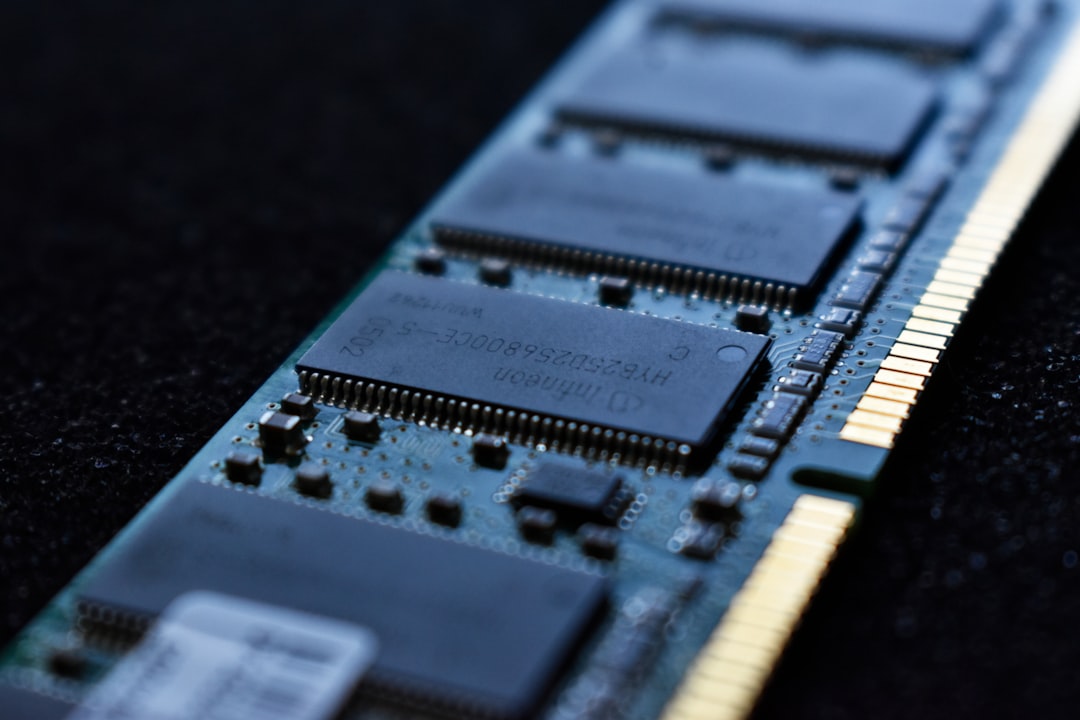
The Intel memory market plays a pivotal role in the broader landscape of technology and computing. As a leading manufacturer of semiconductor products, Intel has established itself as a key player in the memory sector, providing essential components that power everything from personal computers to data centers. The memory market encompasses various types of products, including DRAM, NAND flash, and other memory technologies that are integral to modern computing. With the rapid evolution of technology and increasing demand for high-performance computing solutions, the dynamics of the Intel memory market are constantly shifting.
Understanding the intricacies of the Intel memory market is crucial for stakeholders, including manufacturers, consumers, and investors. The interplay between supply and demand, technological advancements, and pricing strategies significantly influences market behavior. As Intel continues to innovate and expand its product offerings, it is essential to analyze current trends and future projections to navigate this complex landscape effectively. This article delves into the current state of the Intel memory market, examining price trends, influencing factors, and potential strategies for managing fluctuations.
Current Trends in Intel Memory Prices
In recent months, Intel memory prices have exhibited notable fluctuations, reflecting broader trends within the semiconductor industry. The prices of memory products have been influenced by various factors, including global supply chain disruptions, shifts in consumer demand, and competitive pressures. As of late 2023, there has been a general upward trend in memory prices due to increased demand for high-performance computing solutions driven by advancements in artificial intelligence and machine learning applications. This surge in demand has prompted manufacturers to ramp up production, which in turn affects pricing strategies.
Moreover, the competitive landscape has also played a significant role in shaping Intel memory prices. As competitors like Samsung and Micron continue to innovate and expand their product lines, Intel faces pressure to remain competitive while maintaining profitability. This competition has led to price wars in certain segments of the memory market, resulting in temporary price reductions that can benefit consumers but challenge manufacturers’ margins. Overall, the current trends in Intel memory prices reflect a complex interplay of demand dynamics and competitive strategies that will continue to evolve in the coming months.
Factors Influencing Intel Memory Prices
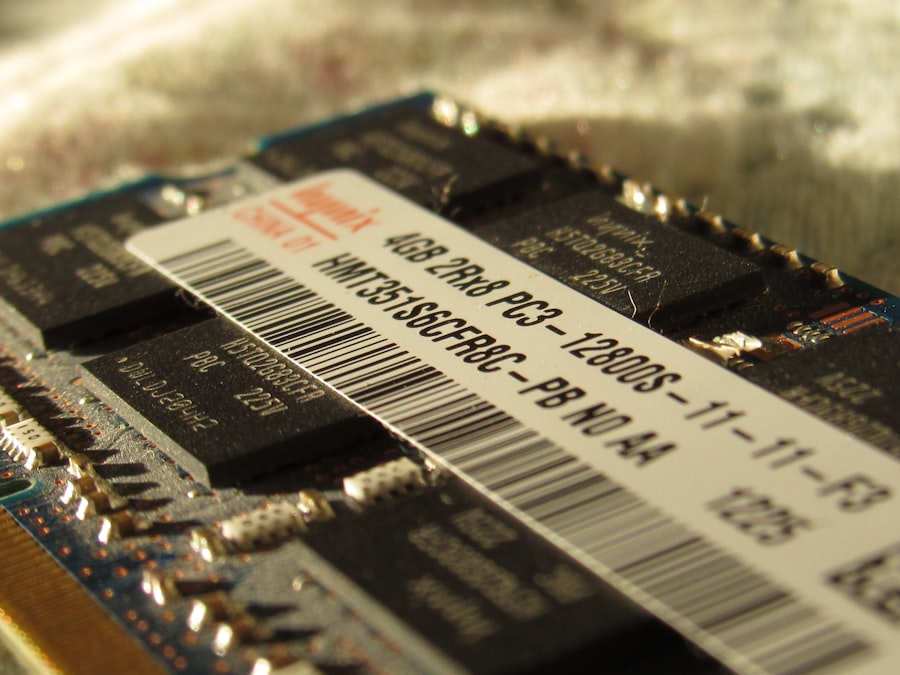
Several key factors influence Intel memory prices, each contributing to the overall market dynamics. One of the most significant factors is the global supply chain situation. The semiconductor industry has faced numerous challenges over the past few years, including shortages of raw materials and logistical disruptions caused by geopolitical tensions and the COVID-19 pandemic. These supply chain issues have led to increased production costs for manufacturers like Intel, which are often passed on to consumers in the form of higher prices.
Another critical factor is technological advancements within the memory sector. As new technologies emerge, such as 3D NAND and DDR5 memory, they often come with higher production costs initially. However, these advancements also create opportunities for improved performance and efficiency, which can justify higher price points in the long run. Additionally, consumer preferences play a vital role; as users increasingly seek faster and more reliable memory solutions for gaming, data processing, and cloud computing, manufacturers must adapt their pricing strategies accordingly to meet these demands.
Impact of Supply and Demand on Intel Memory Prices

The relationship between supply and demand is fundamental to understanding price movements in the Intel memory market. When demand for memory products outpaces supply, prices tend to rise as manufacturers struggle to keep up with consumer needs. Conversely, when supply exceeds demand, prices may decline as companies attempt to clear excess inventory. This cyclical nature of supply and demand is particularly pronounced in the semiconductor industry, where rapid technological advancements can lead to sudden shifts in consumer preferences.
In recent years, the demand for high-capacity memory solutions has surged due to the proliferation of data-intensive applications and services. This increased demand has often outstripped supply capabilities, resulting in higher prices for Intel memory products. Additionally, seasonal trends can also impact pricing; for instance, back-to-school and holiday shopping seasons typically see spikes in demand for consumer electronics, further influencing price dynamics. Understanding these patterns is crucial for stakeholders looking to navigate the complexities of the Intel memory market effectively.
Technological Advancements and Their Effect on Intel Memory Prices
| Year | Memory Price | Market Outlook |
|---|---|---|
| 2020 | High | Stable demand, increasing prices |
| 2021 | Fluctuating | Uncertain due to supply chain disruptions |
| 2022 | Rising | Strong demand from data centers and 5G networks |
Technological advancements are a double-edged sword in the Intel memory market; while they can lead to increased production costs initially, they also pave the way for enhanced performance and efficiency that can justify higher price points over time. Innovations such as DDR5 memory technology promise significant improvements in speed and bandwidth compared to previous generations. As these new technologies become mainstream, they often command premium prices due to their advanced capabilities.
Moreover, as manufacturers invest heavily in research and development to stay ahead of competitors, these costs can influence pricing strategies across the board. For instance, the transition from traditional NAND flash to 3D NAND technology has required substantial investment but has resulted in products that offer greater storage density and lower power consumption. As these advancements become more widely adopted, they can lead to a gradual decrease in prices as production processes become more efficient and economies of scale are realized.
Forecasting Future Intel Memory Prices
Forecasting future Intel memory prices involves analyzing various market indicators and trends that could influence pricing dynamics. Analysts predict that as supply chain issues gradually resolve and production capacities increase, there may be a stabilization of prices in the coming years. However, this stabilization will likely be accompanied by fluctuations driven by ongoing technological advancements and shifts in consumer demand.
Additionally, external factors such as geopolitical tensions and economic conditions will continue to play a significant role in shaping future price trajectories. For instance, if trade relations between major economies remain strained, it could lead to further disruptions in supply chains or increased tariffs on semiconductor products. Therefore, stakeholders must remain vigilant and adaptable to navigate these uncertainties effectively while making informed decisions regarding their investments in Intel memory products.
Strategies for Managing Intel Memory Price Fluctuations
To effectively manage price fluctuations in the Intel memory market, stakeholders can adopt several strategic approaches. One effective strategy is to diversify sourcing options by establishing relationships with multiple suppliers. This diversification can help mitigate risks associated with supply chain disruptions or sudden price increases from a single manufacturer. By having alternative sources for memory products, companies can maintain more stable pricing structures.
Another strategy involves leveraging data analytics to forecast demand accurately. By analyzing historical sales data and market trends, businesses can better anticipate fluctuations in demand for specific memory products. This foresight allows them to adjust inventory levels proactively and negotiate favorable pricing with suppliers before anticipated price increases occur. Additionally, companies can consider implementing flexible pricing models that allow them to respond quickly to changing market conditions while maintaining competitiveness.
Potential Risks and Opportunities in the Intel Memory Market
The Intel memory market presents both risks and opportunities for participants at various levels of the supply chain. One significant risk is the potential for oversupply if manufacturers ramp up production too quickly in response to rising demand. An oversupply situation could lead to sharp price declines that negatively impact profit margins for manufacturers like Intel. Additionally, geopolitical tensions or regulatory changes could disrupt supply chains or create barriers to entry for new competitors.
Conversely, opportunities abound for those willing to innovate and adapt to changing market conditions. The growing demand for high-performance computing solutions presents a lucrative opportunity for manufacturers who can deliver cutting-edge memory technologies that meet evolving consumer needs. Furthermore, as industries increasingly rely on data-driven decision-making and cloud computing solutions, there is potential for sustained growth within the Intel memory market as businesses seek reliable and efficient memory products.
Comparison of Intel Memory Prices with Competitors
When evaluating Intel memory prices, it is essential to consider how they compare with those of competitors such as Samsung and Micron. These companies have established themselves as formidable players in the memory market, often competing on both price and performance metrics. While Intel has traditionally focused on high-performance solutions tailored for specific applications, competitors may offer more budget-friendly options that appeal to cost-conscious consumers.
Price comparisons reveal that while Intel’s premium products may command higher prices due to their advanced features and reliability, competitors often provide alternatives that cater to different segments of the market. This competitive landscape necessitates that Intel continuously assess its pricing strategies to ensure they remain attractive while still reflecting the value offered by their products.
Expert Opinions on the Future of Intel Memory Prices
Industry experts have varying opinions on the future trajectory of Intel memory prices based on current trends and anticipated developments within the semiconductor sector. Some analysts predict that as supply chain issues resolve and production capacities increase, there will be a gradual stabilization of prices across various memory segments. This stabilization could provide relief for consumers who have faced rising costs over recent years.
However, other experts caution that ongoing technological advancements may continue to drive prices upward as manufacturers invest heavily in research and development efforts. The introduction of next-generation memory technologies could lead to higher initial costs that may take time to normalize as production processes improve. Ultimately, expert opinions highlight the importance of remaining adaptable in an ever-evolving market landscape where both risks and opportunities abound.
Conclusion and Recommendations for Intel Memory Market Participants
In conclusion, navigating the complexities of the Intel memory market requires a comprehensive understanding of current trends, influencing factors, and potential strategies for managing price fluctuations. As demand for high-performance computing solutions continues to rise alongside technological advancements within the sector, stakeholders must remain vigilant in monitoring market dynamics.
To effectively position themselves within this competitive landscape, participants should consider diversifying their sourcing options while leveraging data analytics for accurate demand forecasting. Additionally, staying informed about industry developments will enable companies to adapt their strategies proactively in response to changing market conditions.
Ultimately, while challenges exist within the Intel memory market—such as potential oversupply risks or geopolitical tensions—opportunities abound for those willing to innovate and respond effectively to evolving consumer needs. By adopting a proactive approach grounded in data-driven decision-making and strategic partnerships, stakeholders can navigate this dynamic landscape successfully while capitalizing on emerging trends within the industry.
FAQs
What is the current outlook for Intel memory prices in the market?
The current outlook for Intel memory prices in the market is that they are expected to remain stable in the near future. This is due to various factors such as supply chain constraints, demand fluctuations, and technological advancements.
What factors are influencing the Intel memory prices in the market?
Several factors are influencing the Intel memory prices in the market, including supply chain disruptions, changes in demand for electronic devices, advancements in memory technology, and global economic conditions.
How are supply chain disruptions impacting Intel memory prices?
Supply chain disruptions, such as shortages of raw materials and components, transportation delays, and production challenges, are impacting Intel memory prices by causing fluctuations in supply and demand, leading to price volatility.
What are the key drivers of demand for Intel memory in the market?
The key drivers of demand for Intel memory in the market include the increasing adoption of cloud computing, growth in data center infrastructure, expansion of 5G networks, and the proliferation of Internet of Things (IoT) devices.
What are the potential implications of Intel memory price fluctuations for consumers and businesses?
Potential implications of Intel memory price fluctuations for consumers and businesses include changes in the cost of electronic devices, impacts on profitability for manufacturers and retailers, and the need for strategic planning to mitigate risks associated with price volatility.