
Mexico vs Australia: A Comparison of Cultures and Landscapes
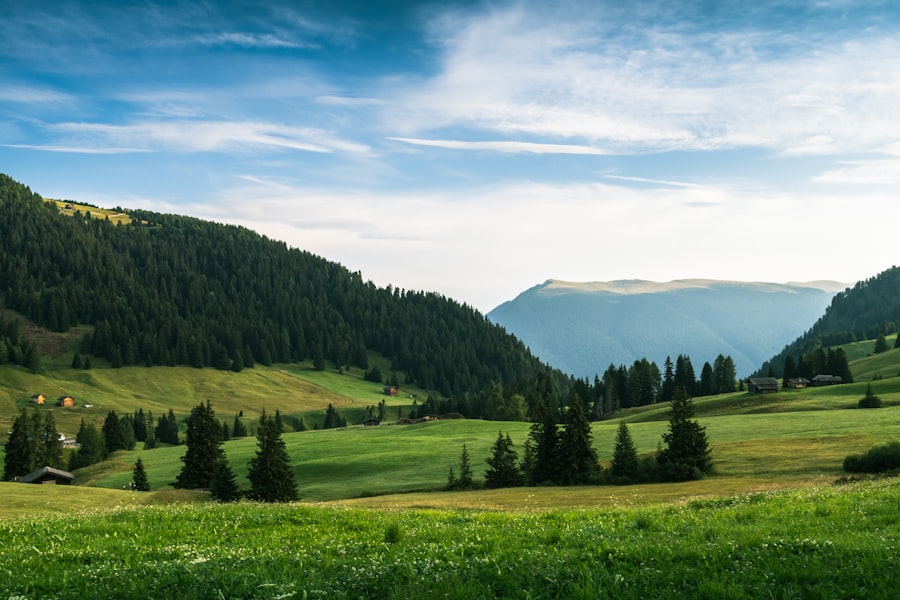
Mexico and Australia, two nations located on opposite sides of the globe, each boast rich histories, vibrant cultures, and stunning landscapes. Mexico, situated in North America, is renowned for its ancient civilizations, such as the Aztecs and Mayans, and its colorful traditions that reflect a blend of indigenous and Spanish influences. The country is characterized by its lively music, art, and festivals, which are deeply rooted in its historical context. On the other hand, Australia, an island continent in the Southern Hemisphere, is celebrated for its unique wildlife, diverse ecosystems, and a culture that has evolved from both Indigenous Australian traditions and British colonial influences. The contrast between these two countries is striking, yet both share a common thread of resilience and a deep connection to their respective lands.
As one delves deeper into the essence of Mexico and Australia, it becomes evident that both nations offer a wealth of experiences that are shaped by their geography, history, and cultural practices. While Mexico is often associated with vibrant street markets, mariachi music, and ancient ruins, Australia is known for its breathtaking beaches, the Great Barrier Reef, and the rich heritage of its Aboriginal peoples. This article aims to explore the multifaceted differences and similarities between these two fascinating countries, highlighting their cultural nuances, landscapes, culinary delights, traditional customs, wildlife, historical architecture, and tourism experiences.
Cultural Differences between Mexico and Australia
The cultural fabric of Mexico is woven with threads of indigenous heritage and Spanish colonial influence. This blend manifests in various forms of artistic expression, including music, dance, and visual arts. Traditional Mexican music features lively rhythms and instruments such as guitars and marimbas, while folk dances often tell stories of historical events or local legends. Festivals like Día de los Muertos (Day of the Dead) showcase the Mexican belief in honoring deceased loved ones through vibrant altars adorned with flowers and photographs. The warmth and hospitality of the Mexican people are evident in their communal gatherings and family-oriented celebrations.
In contrast, Australian culture is marked by a strong emphasis on outdoor living and a laid-back lifestyle. The influence of Indigenous Australians is profound, with their art forms—such as dot painting and storytelling—reflecting a deep connection to the land. Australian music ranges from traditional Aboriginal sounds to contemporary genres like rock and pop. Events like Australia Day celebrate national pride while also acknowledging the complex history of colonization. The Australian ethos often revolves around mateship and egalitarianism, fostering a sense of community that transcends cultural boundaries.
Landscape Contrasts between Mexico and Australia
The landscapes of Mexico are as diverse as its culture, ranging from arid deserts to lush jungles. The Sierra Madre mountain ranges provide dramatic backdrops to cities like Guadalajara and Mexico City, while the Yucatán Peninsula is home to stunning cenotes and ancient Mayan ruins. Coastal areas along the Pacific Ocean offer beautiful beaches with vibrant marine life, making them popular tourist destinations. The natural beauty of Mexico is complemented by its rich biodiversity, with numerous national parks protecting unique ecosystems.
Australia’s landscapes present an equally captivating array of environments. The Outback, characterized by vast deserts and rugged terrain, contrasts sharply with the lush rainforests of Queensland and the stunning coastal regions along the Great Barrier Reef. Iconic landmarks such as Uluru (Ayers Rock) hold significant cultural importance for Indigenous Australians while also attracting visitors from around the world. The Great Dividing Range offers breathtaking views and diverse habitats that support an array of wildlife. Both countries showcase remarkable natural beauty; however, their geographical features reflect distinct climatic conditions and ecological systems.
Food and Cuisine in Mexico and Australia
Mexican cuisine is celebrated globally for its bold flavors and vibrant colors. Staples such as corn, beans, and chili peppers form the foundation of many traditional dishes. Tacos, enchiladas, and mole are just a few examples of the culinary delights that showcase regional variations across the country. Street food culture thrives in Mexico, with vendors offering everything from tamales to elote (grilled corn) that tantalize the taste buds. The use of fresh ingredients and traditional cooking methods contributes to the authenticity of Mexican cuisine.
In contrast, Australian cuisine reflects its multicultural society, incorporating influences from British settlers as well as Asian and Mediterranean flavors. Barbecues are a quintessential part of Australian culture, with grilled meats often taking center stage at social gatherings. Dishes like meat pies and lamingtons highlight traditional Australian fare, while modern cuisine embraces fusion elements that celebrate diversity. Fresh seafood is abundant along the coasts, with dishes like barramundi and prawns being popular choices. Both countries take pride in their culinary heritage; however, their approaches to food reveal distinct cultural identities.
Traditional Customs and Celebrations in Mexico and Australia
| Metrics | Mexico | Australia |
|---|---|---|
| Population | 126 million | 25 million |
| Area | 1,964,375 sq km | 7,692,024 sq km |
| Capital | Mexico City | Canberra |
| Official Language | Spanish | English |
| Currency | Mexican Peso | Australian Dollar |
Traditional customs in Mexico are deeply rooted in history and often revolve around religious or agricultural events. Celebrations such as Las Posadas during Christmas time reenact Mary and Joseph’s search for shelter, while Independence Day on September 16th is marked by parades and fireworks. The vibrant colors of traditional clothing worn during festivals reflect regional identities and pride. Family gatherings play a crucial role in these celebrations, emphasizing the importance of community in Mexican culture.
Australia’s customs also reflect its diverse heritage. Events like NAIDOC Week celebrate Indigenous culture through art exhibitions, performances, and community activities that honor Aboriginal history. Christmas in Australia takes on a unique twist with summer barbecues on the beach rather than traditional winter festivities. Anzac Day on April 25th commemorates the sacrifices made by Australian soldiers during World War I with dawn services held across the nation. These customs highlight Australia’s evolving identity while paying homage to its past.
Wildlife and Nature in Mexico and Australia
The wildlife found in Mexico is as varied as its landscapes. From the deserts of Baja California to the jungles of Chiapas, Mexico is home to an array of species including jaguars, monarch butterflies, and various reptiles. The country’s commitment to conservation is evident in its numerous protected areas that safeguard these unique ecosystems. Ecotourism has gained popularity as travelers seek to experience Mexico’s natural wonders while supporting conservation efforts.
Australia’s wildlife is renowned for its uniqueness; many species are found nowhere else on Earth. Iconic animals such as kangaroos, koalas, and platypuses symbolize Australia’s rich biodiversity. The Great Barrier Reef serves as a habitat for countless marine species while also attracting divers from around the globe. Conservation initiatives are crucial in protecting Australia’s delicate ecosystems from threats such as climate change and habitat loss. Both countries boast remarkable wildlife; however, their distinct species reflect different evolutionary paths shaped by their environments.
Historical and Architectural Differences between Mexico and Australia
Mexico’s history is marked by ancient civilizations that left behind impressive architectural legacies. The ruins of Teotihuacan and Chichen Itza stand as testaments to the ingenuity of pre-Columbian societies. Colonial architecture can be seen in cities like Oaxaca and Puebla, where Spanish influences blend with indigenous styles to create stunning structures adorned with intricate tile work. The historical significance of these sites attracts visitors eager to learn about Mexico’s rich past.
In contrast, Australia’s architectural landscape reflects its colonial history alongside modern innovations. Historic buildings from the 19th century can be found in cities like Sydney and Melbourne, showcasing Victorian-era design elements. Indigenous architecture also plays a role in contemporary Australian design as architects increasingly draw inspiration from Aboriginal culture. The Sydney Opera House stands as an iconic symbol of modern architecture while embodying Australia’s artistic spirit. While both countries possess rich architectural heritages, their styles reveal distinct historical narratives.
Tourism and Travel Experiences in Mexico and Australia
Tourism plays a vital role in both Mexico’s and Australia’s economies, offering travelers unique experiences that highlight each country’s charm. In Mexico, visitors flock to vibrant cities like Cancun for sun-soaked beaches or explore cultural hubs such as Mexico City for its museums and historic sites. Adventure seekers can hike through national parks or delve into ancient ruins that tell stories of bygone civilizations. The warmth of Mexican hospitality enhances the travel experience as locals share their traditions with visitors.
Australia’s tourism industry thrives on its natural wonders and urban attractions alike. Travelers can explore the Great Barrier Reef’s underwater marvels or embark on road trips along scenic coastal routes like the Great Ocean Road. Cities such as Sydney offer iconic landmarks like the Sydney Harbour Bridge while showcasing a thriving arts scene. Wildlife enthusiasts can engage with nature through experiences like kangaroo encounters or guided tours through national parks teeming with unique flora and fauna. Both countries provide unforgettable travel experiences; however, they do so through distinct lenses shaped by their cultural identities.
In conclusion, Mexico and Australia present a fascinating study in contrasts—each country rich in culture, history, landscapes, cuisine, customs, wildlife, architecture, and tourism experiences that reflect their unique identities. While they may be separated by vast distances, both nations share a commitment to preserving their heritage while embracing modernity—a testament to their resilience and adaptability in an ever-changing world.
FAQs
1. What is the main difference between Mexico and Australia?
Mexico is located in North America, while Australia is located in Oceania. Mexico is known for its rich history, diverse culture, and vibrant cities, while Australia is famous for its unique wildlife, stunning natural landscapes, and outdoor activities.
2. What are the major cultural differences between Mexico and Australia?
Mexico has a strong influence from its indigenous heritage and Spanish colonial history, resulting in a rich and diverse cultural tapestry. Australia, on the other hand, has a unique blend of Indigenous Australian culture, British colonial influence, and a multicultural society.
3. How do the cuisines of Mexico and Australia differ?
Mexican cuisine is known for its bold flavors, including dishes such as tacos, tamales, and mole. Australian cuisine often features dishes with a focus on fresh seafood, barbecued meats, and influences from various immigrant communities.
4. What are the main tourist attractions in Mexico and Australia?
In Mexico, popular tourist attractions include the ancient ruins of Chichen Itza, the vibrant city of Mexico City, and the beautiful beaches of Cancun. In Australia, tourists often visit the Sydney Opera House, the Great Barrier Reef, and the iconic Uluru rock formation.
5. What are the main economic differences between Mexico and Australia?
Mexico has a diverse economy with a strong focus on manufacturing, agriculture, and tourism. Australia’s economy is heavily reliant on mining, agriculture, and services, with a strong emphasis on exports of natural resources.