Norse Atlantic Airways Cuts US Routes: What You Need to Know
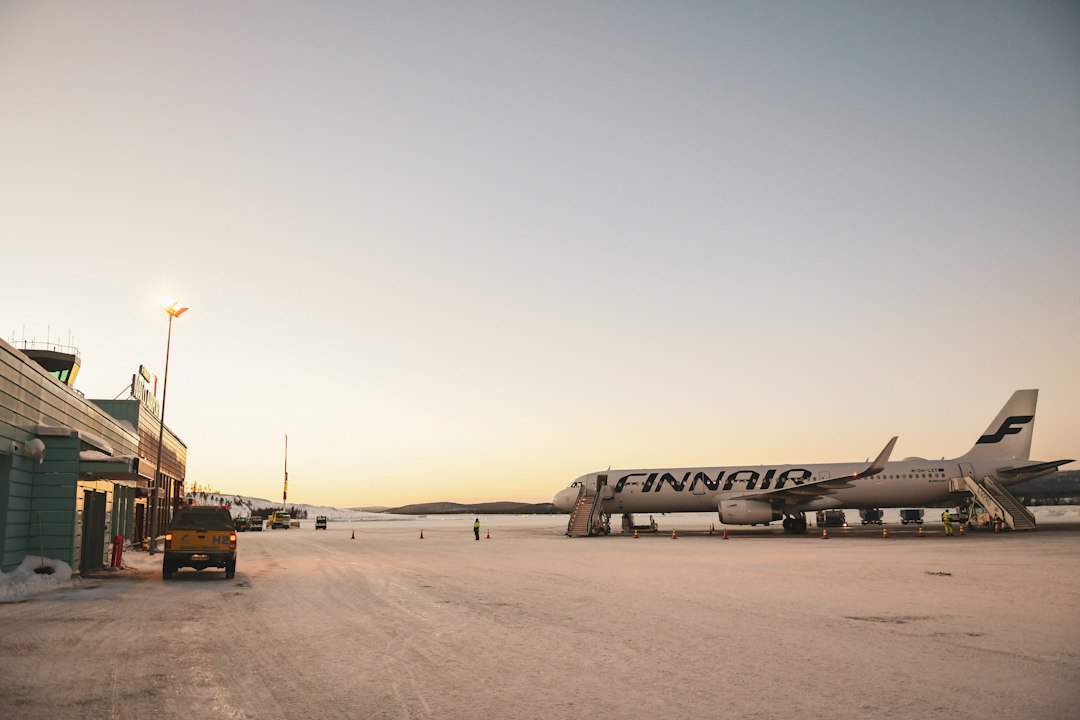
Norse Atlantic Airways emerged as a significant player in the transatlantic aviation market, capturing attention with its ambitious vision of providing affordable long-haul travel. Founded in 2021, the airline aimed to connect Europe and North America with a fleet of modern aircraft, primarily focusing on low-cost operations. With its headquarters in Oslo, Norway, Norse Atlantic sought to fill the gap left by other carriers that had scaled back their services during the pandemic. The airline’s strategy revolved around offering competitive fares while maintaining a high standard of service, appealing to both leisure travelers and business professionals alike.
The airline’s entry into the market was met with enthusiasm, as it promised to democratize air travel across the Atlantic. By utilizing a fleet of Boeing 787 Dreamliners, known for their fuel efficiency and passenger comfort, Norse Atlantic positioned itself as a viable alternative to established carriers. The airline’s routes included major cities such as New York, Los Angeles, and Miami, connecting them to various European destinations. This innovative approach not only aimed to attract budget-conscious travelers but also sought to revitalize the aviation sector in a post-pandemic world.
Reasons for Cutting US Routes
Despite its promising start, Norse Atlantic Airways recently announced a strategic decision to cut several of its routes to the United States. This move was primarily driven by a combination of operational challenges and shifting market dynamics. The airline faced fierce competition from both legacy carriers and other low-cost airlines, which made it increasingly difficult to maintain profitability on certain routes. Additionally, rising fuel prices and operational costs further strained the airline’s financial resources, prompting a reevaluation of its route network.
Another significant factor contributing to this decision was the fluctuating demand for transatlantic travel. While there was an initial surge in bookings as travel restrictions eased, the subsequent uncertainty surrounding economic conditions and consumer confidence led to a decline in passenger numbers. Norse Atlantic recognized that maintaining routes with insufficient demand would not be sustainable in the long run. By streamlining its operations and focusing on more profitable routes, the airline aimed to stabilize its financial position and ensure long-term viability.
Impact on Passengers
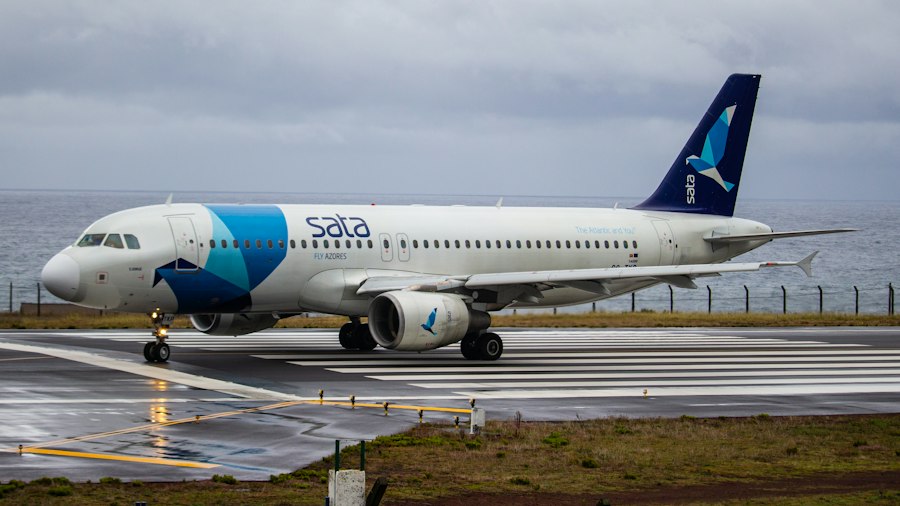
The decision to cut US routes has had a profound impact on passengers who had come to rely on Norse Atlantic for their transatlantic travel needs. Many travelers were drawn to the airline’s competitive pricing and modern fleet, making it an attractive option for those seeking affordable flights. With the reduction of services, passengers now face limited choices when planning their journeys between Europe and the United States. This has particularly affected those who had booked flights in advance, leaving them scrambling for alternative arrangements.
Moreover, the cuts have raised concerns about the overall accessibility of transatlantic travel. As fewer airlines operate on these routes, passengers may find themselves facing higher fares and reduced availability. This situation could disproportionately affect budget travelers and those seeking flexible travel options. The loss of Norse Atlantic’s services may also lead to increased congestion on remaining carriers, resulting in longer wait times and potential delays for passengers. The ripple effects of these route cuts extend beyond individual travelers, impacting the broader travel ecosystem.
Future Plans for Norse Atlantic Airways
Looking ahead, Norse Atlantic Airways is committed to refining its business model and focusing on sustainable growth. The airline plans to concentrate its efforts on routes that demonstrate consistent demand and profitability, ensuring that it can provide reliable service to its customers. By analyzing market trends and passenger preferences, Norse Atlantic aims to adapt its offerings to better align with consumer needs while maintaining its low-cost structure.
In addition to optimizing its route network, Norse Atlantic is exploring opportunities for partnerships and collaborations with other airlines. Such alliances could enhance connectivity for passengers and expand the airline’s reach without incurring significant operational costs. Furthermore, the airline is investing in technology and customer service improvements to enhance the overall travel experience. By prioritizing customer satisfaction and operational efficiency, Norse Atlantic hopes to regain its footing in the competitive transatlantic market.
Alternative Travel Options
| Route | Original Frequency (Weekly Flights) | Reduced Frequency (Weekly Flights) | Percentage Cut | Reason for Cut | Effective Date |
|---|---|---|---|---|---|
| New York (JFK) to Oslo (OSL) | 7 | 4 | 43% | Lower than expected demand | March 2024 |
| Los Angeles (LAX) to Oslo (OSL) | 5 | 2 | 60% | Operational cost optimization | April 2024 |
| Miami (MIA) to Oslo (OSL) | 3 | 1 | 67% | Seasonal demand fluctuations | March 2024 |
| San Francisco (SFO) to Oslo (OSL) | 4 | 2 | 50% | Fuel price increases | April 2024 |
As Norse Atlantic Airways reduces its presence on certain US routes, travelers are left seeking alternative options for their transatlantic journeys. Established carriers such as American Airlines, Delta Air Lines, and United Airlines continue to offer robust services between major cities in Europe and the United States. While these airlines may not always provide the same level of affordability as Norse Atlantic, they do offer extensive networks and frequent flights that can accommodate various travel schedules.
In addition to traditional airlines, travelers may also consider low-cost carriers that have emerged in recent years. Airlines like Ryanair and EasyJet have expanded their operations across Europe and are increasingly looking at transatlantic routes. While these options may involve layovers or connecting flights, they can still provide cost-effective solutions for budget-conscious travelers. Moreover, travelers can explore alternative airports or nearby cities that may offer more competitive fares or better flight availability.
Reactions from Industry Experts
The decision by Norse Atlantic Airways to cut US routes has elicited a range of reactions from industry experts and analysts. Many view this move as a pragmatic response to the current challenges facing the aviation sector. Experts emphasize that the airline’s focus on profitability is essential for its long-term survival in an increasingly competitive landscape. By streamlining operations and concentrating on high-demand routes, Norse Atlantic is taking necessary steps to ensure its sustainability.
However, some industry observers express concern about the implications of these cuts for competition within the transatlantic market. The reduction of services by a low-cost carrier could lead to less choice for consumers and potentially higher fares across the board. Analysts warn that if other airlines follow suit in scaling back their operations, it could result in a less dynamic market overall. The balance between maintaining competitive pricing and ensuring operational viability remains a critical challenge for all players in the industry.
Potential Impact on Airline Industry
The cuts made by Norse Atlantic Airways may have broader implications for the airline industry as a whole. As airlines navigate the complexities of post-pandemic recovery, decisions like these highlight the fragility of certain markets and the need for adaptability. The reduction of services by one carrier can create a domino effect, prompting others to reassess their own route networks and pricing strategies.
Furthermore, these developments underscore the importance of consumer demand in shaping airline operations. As travelers become more discerning about their choices, airlines must remain agile in responding to shifting preferences and economic conditions. The potential consolidation of services could lead to fewer options for passengers but may also encourage innovation among airlines seeking to differentiate themselves in a crowded marketplace.
Conclusion and Final Thoughts
In conclusion, Norse Atlantic Airways’ decision to cut US routes reflects the complex realities of operating in today’s aviation landscape. While the airline initially captured attention with its ambitious plans for affordable transatlantic travel, it now faces significant challenges that necessitate a reevaluation of its strategy. The impact on passengers is palpable, as reduced options may lead to higher fares and limited availability.
Looking forward, Norse Atlantic’s commitment to refining its operations and focusing on sustainable growth will be crucial for its future success. As travelers seek alternative options in light of these changes, established carriers and emerging low-cost airlines will play pivotal roles in shaping the transatlantic travel experience. Ultimately, the decisions made by Norse Atlantic and other airlines will continue to influence the dynamics of the aviation industry as it adapts to an ever-evolving landscape.