
The Venezuela Fury: 5 Reasons Why the Country Is in Turmoil

Political instability often serves as the bedrock for a multitude of crises within a nation. In many countries, the lack of a stable government can lead to a power vacuum, where competing factions vie for control, resulting in chaos and uncertainty. This instability can manifest in various forms, including frequent changes in leadership, civil unrest, and even violent confrontations between different political groups. The absence of a cohesive political framework not only undermines governance but also erodes public trust in institutions, making it increasingly difficult for citizens to engage in constructive dialogue or seek redress for grievances.
Moreover, political instability can have far-reaching implications beyond the immediate borders of a nation. It can create a ripple effect that destabilizes neighboring countries, leading to regional conflicts and humanitarian crises. As political factions become entrenched in their positions, the likelihood of compromise diminishes, further entrenching divisions within society. The resulting environment of fear and uncertainty can stifle economic growth and deter foreign investment, perpetuating a cycle of instability that is challenging to break. In essence, political instability is both a cause and a consequence of broader societal issues, making it a critical area of concern for any nation grappling with governance challenges.
Economic Collapse
The specter of economic collapse looms large over nations plagued by mismanagement and corruption. When economic systems falter, the consequences are dire and far-reaching. A collapse often begins with the erosion of public confidence in financial institutions, leading to bank runs and a withdrawal of investments. As businesses struggle to stay afloat amidst rising costs and dwindling consumer demand, unemployment rates soar, creating a vicious cycle of poverty and despair. The once-thriving economy can quickly devolve into a shadow of its former self, with citizens facing dire financial hardships.
In addition to immediate financial repercussions, economic collapse can have long-term effects on a nation’s infrastructure and social fabric. Essential services such as education and healthcare may suffer as government revenues plummet, leading to deteriorating living conditions for the populace. The loss of economic stability can also exacerbate existing inequalities, as marginalized communities bear the brunt of the fallout. In many cases, the aftermath of an economic collapse requires years, if not decades, of recovery efforts to rebuild trust in institutions and restore a sense of normalcy.
Hyperinflation
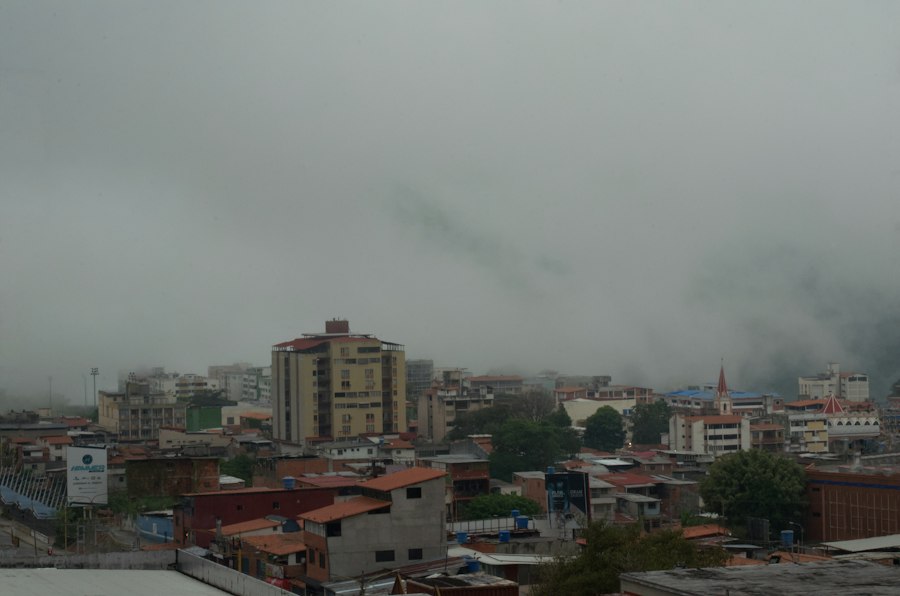
Hyperinflation represents one of the most extreme manifestations of economic instability, characterized by an astronomical increase in prices that renders currency virtually worthless. This phenomenon often occurs when governments resort to printing excessive amounts of money to finance deficits or pay off debts, leading to a rapid devaluation of the national currency. As prices soar uncontrollably, citizens find themselves unable to afford basic necessities such as food and shelter, plunging them into a state of desperation. The psychological impact of hyperinflation can be profound, as individuals grapple with the loss of savings and the inability to plan for the future.
The consequences of hyperinflation extend beyond mere economic hardship; they can also lead to social upheaval and political unrest. As citizens become increasingly frustrated with their deteriorating living conditions, protests and demonstrations may erupt, demanding accountability from government officials. In many cases, hyperinflation serves as a catalyst for broader societal change, prompting calls for reform and new leadership. However, the path to recovery is fraught with challenges, as restoring confidence in the currency and stabilizing the economy requires significant policy adjustments and international support.
Food and Medicine Shortages
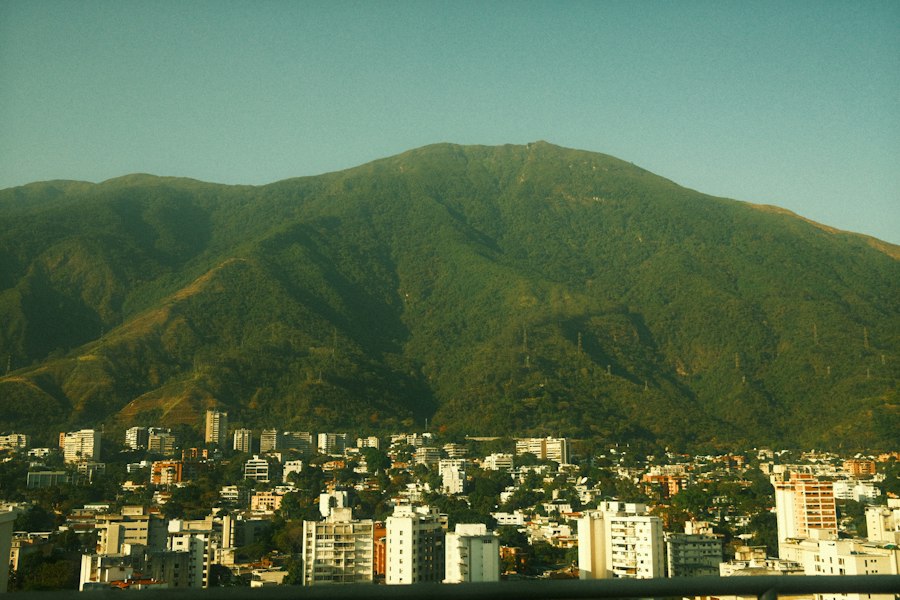
Food and medicine shortages often emerge as direct consequences of political instability and economic collapse. When governments fail to maintain effective supply chains or allocate resources efficiently, citizens may find themselves facing dire shortages of essential goods. In many cases, agricultural production declines due to lack of investment or conflict-related disruptions, leading to food scarcity that disproportionately affects vulnerable populations. The inability to access nutritious food not only threatens individual health but also has long-term implications for public health systems and overall societal well-being.
Similarly, shortages of medicine can have catastrophic effects on communities already grappling with health crises. When pharmaceutical supplies dwindle due to economic constraints or logistical challenges, patients may be left without access to life-saving treatments. This situation is particularly dire in countries where healthcare systems are already under strain from inadequate funding and infrastructure. The combination of food and medicine shortages creates a perfect storm that exacerbates existing inequalities and fuels social discontent, as citizens demand action from their leaders to address these pressing issues.
Human Rights Violations
| Metric | Value | Description |
|---|---|---|
| Event Name | Venezuela Fury | Title of the event or phenomenon |
| Date | 2023 | Year when Venezuela Fury was most notable |
| Location | Venezuela | Country where the event took place |
| Number of Participants | Approx. 5,000 | Estimated number of people involved |
| Duration | 3 days | Length of the event |
| Impact | High | Level of social and political impact |
| Media Coverage | Extensive | Amount of media attention received |
| Government Response | Increased security measures | Actions taken by authorities |
In times of crisis, human rights violations often escalate as governments resort to authoritarian measures to maintain control. Political instability can lead to increased repression, with state actors employing violence against dissenters or marginalized groups in an attempt to quell opposition. Reports of arbitrary detentions, torture, and extrajudicial killings become alarmingly common as citizens are silenced for speaking out against injustices. The erosion of civil liberties not only undermines democratic principles but also creates an atmosphere of fear that stifles free expression and dissent.
Moreover, human rights violations can have lasting repercussions on societal cohesion and trust in institutions. When citizens witness or experience abuses at the hands of their government, it breeds resentment and alienation from the state. This disconnection can lead to further unrest as individuals seek justice for their grievances through protests or other forms of resistance. The cycle of violence and repression perpetuates itself, making it increasingly difficult for societies to heal and rebuild after periods of turmoil.
International Sanctions
International sanctions are often employed as a tool by foreign governments or organizations to pressure regimes that violate human rights or engage in aggressive behavior. While sanctions may be intended to promote accountability and encourage reform, they can also have unintended consequences that exacerbate existing crises within targeted nations. Economic sanctions can cripple industries and limit access to essential goods, further deepening the suffering of ordinary citizens who are already grappling with political instability or economic collapse.
The effectiveness of sanctions is often debated among policymakers and scholars alike. While some argue that they can compel governments to change their behavior by inflicting economic pain, others contend that sanctions disproportionately harm vulnerable populations rather than those in power. In many cases, sanctions may entrench authoritarian regimes by providing them with a scapegoat for their failures—blaming external forces for internal problems rather than addressing systemic issues. As such, the implementation of international sanctions requires careful consideration of their potential impact on both governance and civilian life.
Mass Emigration
Mass emigration frequently occurs in response to deteriorating conditions within a country, as individuals seek better opportunities abroad. When faced with political instability, economic collapse, or human rights violations, many citizens feel compelled to leave their homeland in search of safety and stability elsewhere. This exodus can lead to significant demographic shifts as entire communities are uprooted in pursuit of a more promising future. The implications of mass emigration extend beyond individual families; they can reshape national identities and alter social dynamics within both sending and receiving countries.
However, mass emigration is not without its challenges. Those who leave often face significant obstacles in their new environments, including discrimination, cultural barriers, and difficulties in securing employment or legal status. Additionally, the loss of skilled workers can hinder a nation’s ability to recover from crises, creating a brain drain that stifles innovation and growth. As communities grapple with the consequences of emigration—both at home and abroad—questions arise about how best to support those who remain while addressing the needs of those who have sought refuge elsewhere.
Corruption and Mismanagement
Corruption and mismanagement are often intertwined issues that exacerbate political instability and economic decline within nations. When public officials prioritize personal gain over the welfare of their constituents, trust in government erodes rapidly. Corruption can manifest in various forms—bribery, embezzlement, nepotism—each contributing to a culture where accountability is absent. This environment not only stifles economic growth but also perpetuates inequality as resources are diverted away from essential services such as education and healthcare.
The consequences of corruption extend beyond immediate financial losses; they can undermine democratic processes and fuel social unrest. Citizens who witness rampant corruption may become disillusioned with their government’s ability to address pressing issues or provide basic services. This discontent can lead to protests demanding transparency and accountability from leaders who have failed them time and again. Ultimately, addressing corruption requires comprehensive reforms aimed at restoring integrity within institutions while fostering a culture of civic engagement that empowers citizens to hold their leaders accountable.
Energy Crisis
An energy crisis can serve as both a symptom and a catalyst for broader societal issues within nations facing instability or economic decline. When energy supplies become scarce due to mismanagement or geopolitical tensions, the repercussions are felt across all sectors—industry grinds to a halt, transportation systems falter, and households struggle to meet basic needs such as heating or cooking fuel. The resulting energy shortages can exacerbate existing tensions within society as citizens grapple with rising costs and dwindling access to essential resources.
Moreover, an energy crisis often highlights underlying vulnerabilities within a nation’s infrastructure and governance systems. Countries heavily reliant on imported energy sources may find themselves at the mercy of external forces that dictate prices or availability. This dependence can create geopolitical tensions that further destabilize regions already grappling with conflict or unrest. As nations seek solutions to energy crises—whether through diversification strategies or investment in renewable technologies—the path forward requires careful consideration of both immediate needs and long-term sustainability goals.
Social Unrest
Social unrest frequently arises as a response to systemic failures within governance structures or economic systems that leave citizens feeling marginalized or disenfranchised. When individuals perceive that their voices are not being heard or their needs are not being met by those in power, frustration can boil over into protests or demonstrations demanding change. Social unrest serves as both an expression of discontent and a call for action—a way for citizens to reclaim agency over their lives amid circumstances that feel increasingly oppressive.
The dynamics surrounding social unrest are complex; they often reflect deep-seated grievances related to inequality, injustice, or lack of opportunity. While protests may initially focus on specific issues—such as rising prices or government corruption—they can quickly evolve into broader movements advocating for systemic change across multiple sectors. However, social unrest also carries risks; governments may respond with repression rather than dialogue, leading to further escalation of tensions between state actors and civil society groups.
International Intervention
International intervention often becomes necessary when nations face crises that threaten regional stability or humanitarian well-being. Whether through diplomatic efforts aimed at conflict resolution or humanitarian assistance during times of need, the role of international actors is crucial in addressing complex challenges faced by affected populations. However, intervention is not without its controversies; questions arise regarding sovereignty versus responsibility when external forces engage in domestic affairs.
The effectiveness of international intervention depends largely on context—understanding local dynamics is essential for crafting appropriate responses that respect cultural sensitivities while addressing urgent needs. Successful interventions require collaboration among various stakeholders—including governments, non-governmental organizations (NGOs), and local communities—to ensure that efforts align with the aspirations of those most affected by crises. Ultimately, international intervention should aim not only at alleviating immediate suffering but also at fostering long-term stability through inclusive dialogue and sustainable development initiatives that empower local populations moving forward.
FAQs
What is the article “Venezuela Fury” about?
The article “Venezuela Fury” discusses the ongoing political and economic crisis in Venezuela, including the widespread protests, hyperinflation, and shortages of basic necessities.
What are some key factors contributing to the crisis in Venezuela?
Some key factors contributing to the crisis in Venezuela include government corruption, mismanagement of resources, economic sanctions, and the decline in oil prices, which is a major source of revenue for the country.
How have the people of Venezuela been affected by the crisis?
The people of Venezuela have been severely affected by the crisis, facing food and medicine shortages, high levels of inflation, lack of access to basic services, and a deteriorating quality of life. Many have been forced to flee the country in search of better opportunities.
What has been the international response to the crisis in Venezuela?
The international community has expressed concern over the situation in Venezuela, with some countries imposing sanctions on the government and calling for free and fair elections. Humanitarian aid has also been provided to help alleviate the suffering of the Venezuelan people.
What is the outlook for Venezuela’s future amidst the ongoing crisis?
The outlook for Venezuela’s future remains uncertain, with continued political instability, economic challenges, and social unrest. Efforts to find a peaceful resolution to the crisis and restore stability in the country are ongoing, but the road ahead is likely to be difficult and complex.