
Top 10 Reasons Why the Dodge GLH is a Must-Have
The Dodge GLH, which stands for “Goes Like Hell,” made its debut in the mid-1980s as a performance-oriented version of the Dodge Omni. This compact hatchback was born out of a desire to create a vehicle that could compete in the burgeoning hot hatch market. The GLH was introduced in 1984, during a time when American automakers were beginning to recognize the potential of small, sporty cars. The GLH was developed under the guidance of Carroll Shelby, a name synonymous with performance in the automotive world. His influence helped shape the GLH into a car that not only had impressive speed but also a unique character that set it apart from its competitors.
The GLH was powered by a turbocharged 2.2-liter inline-four engine, which was a significant upgrade over the standard Omni’s engine. This turbocharged powerplant allowed the GLH to deliver an exhilarating driving experience, with a focus on both speed and handling. The car quickly gained a reputation for its nimbleness and responsiveness, making it a favorite among driving enthusiasts. The GLH was not just about raw power; it also featured enhancements to its suspension and braking systems, ensuring that it could handle the demands of spirited driving.
Performance and Speed
When it comes to performance, the Dodge GLH truly lived up to its name. With a turbocharged engine producing around 146 horsepower, it could accelerate from 0 to 60 mph in just over six seconds—a remarkable feat for a car of its size and era. This impressive speed was complemented by its lightweight design, which allowed for agile handling and quick maneuverability. The GLH’s performance was further enhanced by its front-wheel-drive layout, which provided excellent traction and stability during acceleration.
The GLH was not just about straight-line speed; it excelled in cornering as well. The suspension system was tuned for sporty driving, allowing the car to navigate tight turns with confidence. Many drivers found that the GLH offered a level of engagement that was hard to match, making it a joy to drive on winding roads or racetracks. Its performance capabilities made it a strong contender against other hot hatches of the time, such as the Volkswagen GTI and the Ford Escort GT.
Unique Design and Style
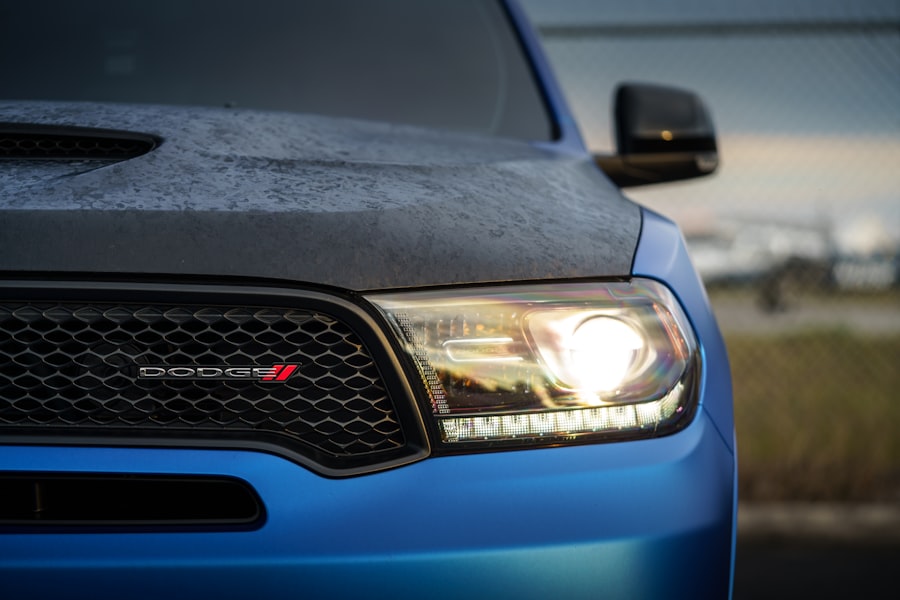
The design of the Dodge GLH was distinctive and purposeful. It featured a hatchback body style that was both practical and sporty, appealing to a wide range of drivers. The exterior design included bold lines and an aggressive stance, which hinted at the car’s performance capabilities. The front end was characterized by its unique grille and headlights, giving it a look that set it apart from other compact cars of the era.
Inside, the GLH offered a driver-focused cockpit with supportive seats and straightforward controls. While it may not have boasted luxury features, the interior was designed for functionality and comfort during spirited drives. The use of sportier materials and finishes added to the overall aesthetic appeal, making it clear that this was not just another economy car. The combination of its striking exterior and practical interior made the GLH an attractive option for those seeking both style and substance.
Limited Production Numbers
One of the factors that contribute to the allure of the Dodge GLH is its limited production numbers. Only around 7,000 units were produced during its run from 1984 to 1986, making it a rare find today. This scarcity has made the GLH a sought-after model among collectors and enthusiasts alike. The limited production also means that each car carries a certain level of exclusivity, which adds to its charm.
The rarity of the GLH is further emphasized by its unique features and performance specifications. As more time passes, finding an unmodified or well-preserved example becomes increasingly challenging. This limited availability has led to a growing interest in the model among car collectors who appreciate its historical significance and performance pedigree.
Racing Heritage
| Attribute | Value |
|---|---|
| Model | Dodge GLH |
| Engine | 2.2L I4 |
| Horsepower | 146 hp |
| Torque | 170 lb-ft |
| 0-60 mph | 6.5 seconds |
The Dodge GLH’s racing heritage is an integral part of its identity. In the mid-1980s, Dodge recognized the potential for motorsport success with this compact powerhouse. The GLH participated in various racing events, including SCCA (Sports Car Club of America) competitions, where it showcased its capabilities on the track. Its success in racing helped solidify its reputation as a serious performance vehicle.
The racing pedigree of the GLH also contributed to its development as a performance car. The lessons learned from motorsport were applied to enhance its design and engineering, resulting in a vehicle that was not only fun to drive but also capable of competing against more established rivals. This connection to racing has endeared the GLH to enthusiasts who appreciate cars with a competitive spirit.
Customization Options
For those who enjoy personalizing their vehicles, the Dodge GLH offers a wealth of customization options. From aftermarket performance parts to aesthetic modifications, owners have plenty of ways to make their GLH unique. Many enthusiasts choose to upgrade components such as exhaust systems, suspension setups, and engine tuning to enhance performance further.
In addition to performance upgrades, cosmetic modifications are also popular among GLH owners. Custom paint jobs, aftermarket wheels, and interior enhancements can transform the car’s appearance while maintaining its sporty character. This flexibility in customization allows owners to express their individuality while enjoying the thrill of driving a classic hot hatch.
Popularity Among Car Enthusiasts
The Dodge GLH has garnered a dedicated following among car enthusiasts over the years. Its combination of performance, unique design, and limited production numbers has made it a favorite among those who appreciate classic hot hatches. Online forums and social media groups are filled with passionate owners sharing their experiences, modifications, and restoration projects.
This popularity is not just limited to nostalgia; many enthusiasts recognize the GLH as an important part of automotive history. Its role in shaping the hot hatch segment and its connection to motorsport have solidified its status as a beloved classic. As more people discover this gem from the 1980s, interest continues to grow, ensuring that the legacy of the Dodge GLH remains alive.
Collectibility and Resale Value
As with many classic cars, collectibility plays a significant role in determining resale value. The Dodge GLH’s limited production numbers and unique characteristics have made it an attractive option for collectors looking for something special. Well-maintained examples can command impressive prices at auctions and private sales, especially if they come with documentation proving their authenticity.
The resale value of the GLH has seen an upward trend in recent years as more collectors recognize its significance in automotive history. While prices can vary based on condition and modifications, finding an unmodified or low-mileage example can be particularly rewarding for collectors seeking an investment piece. As interest in classic cars continues to rise, the Dodge GLH is likely to remain a sought-after model among enthusiasts.
Iconic Status in the Automotive World
The Dodge GLH has achieved an iconic status within the automotive world, particularly among fans of hot hatches and American performance cars. Its combination of speed, agility, and distinctive design has left a lasting impression on those who experienced it during its heyday. Even today, it is often referenced in discussions about classic performance vehicles from the 1980s.
This iconic status is further reinforced by its appearances in automotive media and pop culture. The GLH has been featured in various magazines and television shows that celebrate classic cars, helping to keep its legacy alive for new generations of enthusiasts. Its reputation as a fun-to-drive compact with serious performance credentials ensures that it will always hold a special place in automotive history.
Affordability and Accessibility
One of the appealing aspects of the Dodge GLH is its affordability compared to other classic performance cars. While some vintage models can command exorbitant prices, the GLH remains relatively accessible for those looking to enter the world of classic car ownership without breaking the bank. This affordability makes it an attractive option for younger enthusiasts or those new to collecting.
Additionally, parts availability for the GLH is generally good due to its popularity among enthusiasts and aftermarket support. This means that owners can find replacement parts or upgrades without too much difficulty, making maintenance more manageable than with some rarer models. The combination of affordability and accessibility makes owning a Dodge GLH an appealing prospect for many car lovers.
Legacy and Influence on Modern Vehicles
The legacy of the Dodge GLH extends beyond its production years; it has influenced modern vehicles in various ways. The principles behind its design—compact size combined with spirited performance—can be seen in many contemporary hot hatches that prioritize driving enjoyment alongside practicality. Automakers have taken cues from models like the GLH when developing their own performance-oriented compact cars.
Moreover, the spirit of innovation that characterized the development of the GLH continues to resonate today. As manufacturers explore new technologies and performance enhancements, they often look back at successful models like the GLH for inspiration on how to balance power with efficiency in smaller packages. This ongoing influence ensures that while the Dodge GLH may be a product of its time, its impact on automotive design and engineering remains relevant in today’s market.
In conclusion, the Dodge GLH is more than just a classic car; it’s a symbol of an era when American automakers began embracing performance in compact vehicles. With its rich history, impressive performance capabilities, unique design elements, limited production numbers, racing heritage, customization options, popularity among enthusiasts, collectibility, iconic status, affordability, and lasting legacy—it’s no wonder that this little hatchback continues to capture hearts and inspire admiration decades after it first hit the road.
FAQs
What does “GLH” stand for in Dodge GLH?
GLH stands for “Goes Like Hell,” which was a popular slogan used by Dodge to promote the high-performance capabilities of the GLH model.
When was the Dodge GLH produced?
The Dodge GLH was produced from 1984 to 1986 as part of the Dodge Omni line.
What made the Dodge GLH unique?
The Dodge GLH was unique for its turbocharged engine, sport-tuned suspension, and aggressive styling, which set it apart from other compact cars of its time.
What was the performance of the Dodge GLH?
The Dodge GLH was known for its impressive performance, with the turbocharged engine producing around 146 horsepower and 170 lb-ft of torque, allowing it to accelerate from 0 to 60 mph in around 7.5 seconds.
Is the Dodge GLH still in production?
No, the Dodge GLH was only produced for a limited time from 1984 to 1986, and it is no longer in production. However, it remains a popular choice among car enthusiasts and collectors.