
Top 5 Busiest Commuter Trains in England
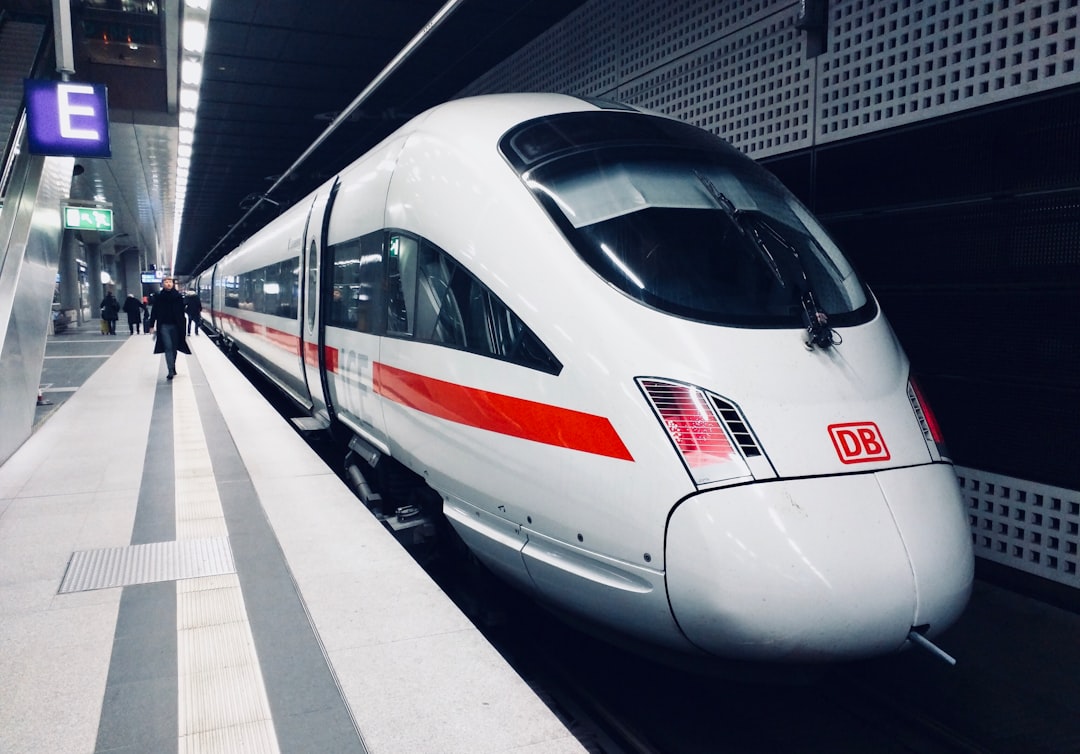
Commuter trains are a vital part of daily life in England, connecting millions of people to their workplaces, schools, and other essential destinations. These trains serve as the backbone of public transport, especially in urban areas where road congestion can be a significant issue. With a rich history and a well-established network, commuter trains have evolved to meet the needs of a growing population. Understanding their role and significance can provide insight into how they shape the daily routines of countless individuals.
In this article, we’ll explore the importance of commuter trains in England, the factors that determine which routes are the busiest, and take a closer look at some of the top commuter train services. By examining these elements, we can appreciate not only the convenience they offer but also the challenges they face in an ever-changing transportation landscape.
The Importance of Commuter Trains in England
Commuter trains play a crucial role in reducing traffic congestion and lowering carbon emissions. By providing an efficient alternative to car travel, they help alleviate the pressure on road networks, particularly in densely populated areas like London and its surrounding regions. This shift towards public transport is essential for promoting sustainable urban development and addressing environmental concerns.
Moreover, commuter trains enhance economic productivity by enabling people to access job opportunities that may be located far from their homes. This connectivity fosters a more dynamic labor market, allowing businesses to tap into a broader talent pool. As cities expand and populations grow, the demand for reliable and efficient commuter train services continues to rise, making them indispensable for modern life.
Factors that Determine Busiest Commuter Trains

Several factors contribute to determining which commuter train routes are the busiest in England. One of the primary influences is population density. Areas with higher populations naturally generate more commuters, leading to increased demand for train services. For instance, regions surrounding major cities like London, Birmingham, and Manchester tend to have more crowded trains due to the influx of daily travelers.
Another significant factor is the availability of employment opportunities. Routes that connect residential areas with business districts or industrial hubs often see higher passenger volumes. Additionally, the frequency and reliability of services can impact ridership levels; trains that run more frequently and on time are more likely to attract commuters. Lastly, ticket pricing and overall affordability also play a role in determining which routes are most popular among travelers.
The Top 5 Busiest Commuter Trains in England

When it comes to identifying the busiest commuter trains in England, several services consistently rank at the top. These routes not only carry large numbers of passengers but also reflect the broader trends in commuting patterns across the country.
The first on this list is the London Overground, which has become increasingly popular over the years. It connects various neighborhoods in London and provides easy access to key areas such as Stratford and Clapham Junction. Following closely is Thameslink, which serves as a vital link between Bedford and Brighton, facilitating travel across multiple regions.
Next up is South Western Railway, which operates routes from London to destinations like Portsmouth and Exeter. This service is particularly busy during peak hours as it caters to commuters traveling from suburban areas into central London. CrossCountry also makes the list, connecting cities across England from Penzance to Aberdeen, making it a popular choice for long-distance commuters. Finally, Great Western Railway rounds out the top five with its extensive network serving areas from London to Wales and beyond.
The London Overground
| Train Line | Route | Passenger Count |
|---|---|---|
| London Waterloo to Woking | London to Woking | Over 8 million annually |
| Thameslink Route | Bedford to Brighton | Over 20 million annually |
| Great Western Railway | London Paddington to Reading | Over 7 million annually |
The London Overground has transformed how people navigate the capital since its inception in 2007. It provides an essential service that connects various boroughs and offers seamless transfers to other transport modes like the Underground and national rail services. The Overground’s distinctive orange branding makes it easily recognizable, and its routes have expanded significantly over the years.
One of the key features of the London Overground is its ability to serve areas that were previously underserved by public transport. By linking neighborhoods that were once isolated from central London, it has opened up new opportunities for residents and businesses alike. The Overground has also contributed to urban regeneration projects, enhancing local economies and improving quality of life for many.
The Thameslink
Thameslink is another critical player in England’s commuter train landscape. This service operates through central London, connecting key destinations such as St Pancras International, Blackfriars, and London Bridge. Its ability to facilitate travel between different regions makes it an essential option for commuters traveling from places like Bedford or Luton into the heart of London.
One notable aspect of Thameslink is its commitment to improving service reliability and capacity. Recent upgrades have included new trains and expanded platforms, allowing for more frequent services during peak hours. This focus on modernization has made Thameslink increasingly popular among commuters who value efficiency and convenience in their daily travels.
The South Western Railway
South Western Railway (SWR) serves a vast area stretching from London to the southwest of England, including popular destinations like Portsmouth and Weymouth. This service is particularly busy during rush hours as it caters to thousands of commuters traveling into London for work or study. SWR has made significant investments in its fleet and infrastructure to enhance passenger experience.
One of the standout features of SWR is its scenic routes that offer beautiful views of the English countryside. Many passengers enjoy their daily commute not just for its practicality but also for the pleasant journey it provides. However, like many rail services, SWR faces challenges such as delays and overcrowding during peak times, prompting ongoing discussions about how to improve service quality.
The CrossCountry
CrossCountry operates one of the most extensive rail networks in England, connecting cities from Penzance in Cornwall to Aberdeen in Scotland. This service is particularly popular among long-distance commuters who travel between major urban centers for work or leisure. CrossCountry’s flexibility allows passengers to hop on and off at various stops along their journey.
Despite its popularity, CrossCountry faces unique challenges due to its wide-ranging routes. Managing schedules and ensuring timely connections can be complex, especially during peak travel times or adverse weather conditions. Nevertheless, CrossCountry continues to adapt by investing in new rolling stock and improving customer service initiatives.
The Great Western Railway
Great Western Railway (GWR) has a long history dating back to the 19th century and remains a key player in England’s rail network today. It operates services primarily between London and South Wales but also extends into regions like Devon and Cornwall. GWR is known for its high-speed trains that significantly reduce travel times between major cities.
In recent years, GWR has focused on modernizing its fleet with new trains that offer enhanced comfort and amenities for passengers. This commitment to improvement has made GWR a preferred choice for many commuters traveling long distances or seeking a more enjoyable travel experience. However, like other rail services, GWR must continually address issues related to capacity and punctuality.
Comparison of the Busiest Commuter Trains
When comparing the busiest commuter trains in England, several factors come into play beyond just passenger numbers. Each service has its unique strengths and challenges that cater to different commuting needs. For instance, while the London Overground excels at connecting various neighborhoods within London, Thameslink offers vital cross-regional links that facilitate travel across multiple counties.
South Western Railway stands out for its scenic routes but faces challenges with overcrowding during peak hours. In contrast, CrossCountry’s extensive network provides flexibility but can struggle with scheduling complexities due to its wide-ranging routes. Great Western Railway combines speed with comfort but must continually adapt to meet growing demand.
Ultimately, each service plays a crucial role in supporting England’s transportation infrastructure while addressing specific commuter needs. Understanding these differences can help passengers make informed choices about their travel options.
The Future of Commuter Trains in England
As we look ahead, the future of commuter trains in England appears both promising and challenging. With increasing urbanization and population growth, demand for efficient public transport will only continue to rise. Rail operators will need to invest in infrastructure improvements, modernize fleets, and enhance service reliability to meet these demands effectively.
Moreover, sustainability will play a significant role in shaping the future of commuter trains. As concerns about climate change grow, there will be greater emphasis on reducing carbon footprints through public transport solutions like rail travel. Innovations such as electrification of lines and investment in green technologies will be essential for creating a more sustainable rail network.
In conclusion, commuter trains are not just a means of transportation; they are integral to how people live and work in England today. By understanding their importance and challenges, we can better appreciate their role in shaping our communities and contributing to a more sustainable future.