
Is ChatGPT Down? 5 Ways to Check
ChatGPT, developed by OpenAI, has emerged as a groundbreaking conversational AI model that has transformed the way individuals and businesses interact with technology. This sophisticated language model is designed to understand and generate human-like text, making it an invaluable tool for a variety of applications, from customer service to content creation. As users increasingly rely on ChatGPT for their daily tasks, understanding its operational status becomes crucial. The ability to communicate effectively with this AI can significantly enhance productivity and user experience.
The significance of ChatGPT extends beyond mere functionality; it represents a leap forward in artificial intelligence capabilities. With its ability to engage in meaningful conversations, answer questions, and provide insights, ChatGPT has become a staple in many sectors. However, like any technology, it is not immune to outages or performance issues. Therefore, users must be equipped with the knowledge to check the status of ChatGPT to ensure seamless interaction and avoid unnecessary frustration.
Importance of Checking ChatGPT Status
Monitoring the operational status of ChatGPT is essential for users who depend on its services for various tasks. When the system is down or experiencing issues, it can lead to disruptions in workflow, missed deadlines, and a general sense of frustration. By regularly checking the status of ChatGPT, users can stay informed about any potential outages or performance hiccups, allowing them to plan their activities accordingly. This proactive approach can save time and reduce stress, ensuring that users can pivot to alternative solutions if necessary.
Moreover, understanding the status of ChatGPT can enhance user experience. When users are aware of the system’s operational state, they can adjust their expectations and avoid unnecessary attempts to access a service that may be temporarily unavailable. This awareness fosters a more efficient use of time and resources, as users can focus on other tasks while waiting for the service to resume normal operations. In essence, keeping tabs on ChatGPT’s status is not just about troubleshooting; it is about optimizing productivity and maintaining a smooth workflow.
Method 1: Checking ChatGPT Website
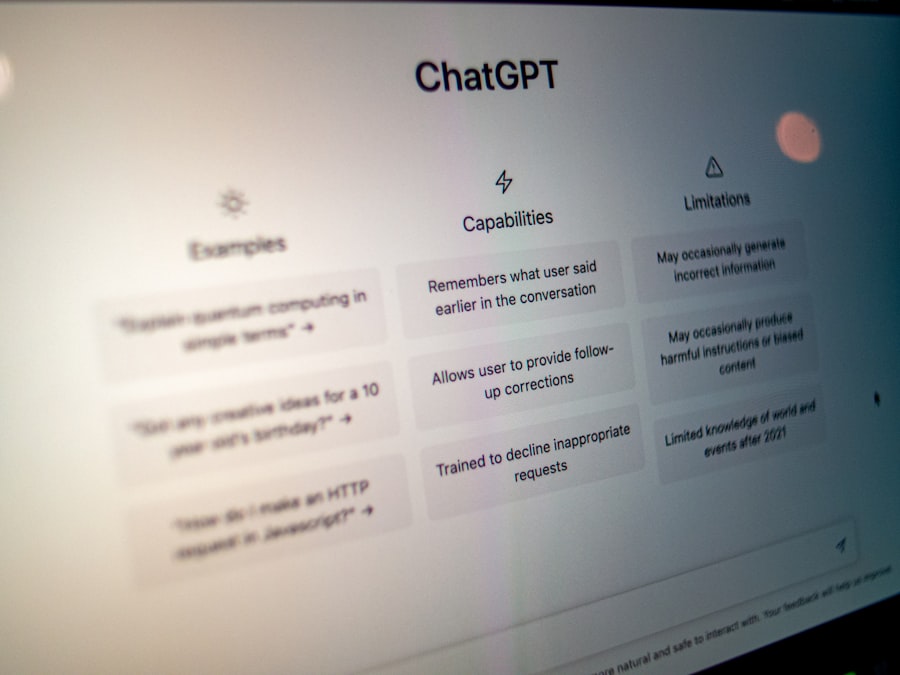
One of the most straightforward methods for checking the status of ChatGPT is to visit its official website. OpenAI often provides real-time updates regarding the operational status of its services on its platform. Users can navigate to the designated status page, where they will find information about any ongoing issues, scheduled maintenance, or system performance metrics. This direct source of information is reliable and frequently updated, making it an excellent first step for anyone concerned about the functionality of ChatGPT.
In addition to real-time updates, the website may also offer insights into past incidents and how they were resolved. This historical data can be beneficial for users who want to understand patterns in service availability or anticipate potential future issues. By regularly checking the official website, users can stay informed and make informed decisions about when to utilize ChatGPT’s capabilities.
Method 2: Checking ChatGPT Social Media

Social media platforms serve as another valuable resource for checking the status of ChatGPT. OpenAI maintains an active presence on various social media channels, including Twitter and Facebook, where they share updates about their services. Users can follow these accounts to receive timely notifications regarding any outages or performance issues. Social media updates often provide a more immediate response than traditional channels, making it an effective way to stay informed.
Furthermore, social media platforms allow users to engage with the community and share their experiences. If a user encounters an issue with ChatGPT, they can post about it and receive feedback from others who may be experiencing similar problems. This communal aspect not only fosters a sense of connection among users but also provides additional insights into the operational status of the service. By leveraging social media, users can enhance their understanding of ChatGPT’s performance in real-time.
Method 3: Using DownDetector
| Date | Status | Response Time |
|---|---|---|
| 2022-10-01 | Down | N/A |
| 2022-10-02 | Up | 0.5 seconds |
| 2022-10-03 | Up | 0.3 seconds |
DownDetector is a widely recognized platform that tracks the status of various online services, including ChatGPT. Users can visit DownDetector to see if there are any reported issues with the service based on user feedback and real-time data analysis. This platform aggregates information from multiple sources, providing a comprehensive overview of service availability. By checking DownDetector, users can quickly ascertain whether others are experiencing similar problems or if the issue is isolated.
In addition to current status updates, DownDetector offers historical data that can help users identify trends in service reliability. This information can be particularly useful for those who rely heavily on ChatGPT for their work or personal projects. By understanding when outages are most likely to occur, users can better plan their activities around potential downtimes and minimize disruptions.
Method 4: Checking ChatGPT Status on Third-Party Websites
In addition to official channels and dedicated platforms like DownDetector, several third-party websites provide status updates for various online services, including ChatGPT. These sites often compile information from multiple sources and present it in an easily digestible format. Users can visit these websites to get a quick snapshot of ChatGPT’s operational status without having to navigate through multiple platforms.
These third-party resources may also offer additional features such as user comments and feedback regarding service performance. This community-driven aspect allows users to gain insights from others who may have encountered similar issues or have tips for troubleshooting connectivity problems. By utilizing these third-party websites, users can enhance their understanding of ChatGPT’s status while benefiting from the collective knowledge of the user community.
Method 5: Contacting ChatGPT Support
When all else fails or when users encounter persistent issues with ChatGPT, reaching out to customer support is a viable option. OpenAI provides support channels where users can report problems or seek assistance regarding service availability. Contacting support can yield personalized responses tailored to individual concerns, which may not be addressed through public channels or automated systems.
In addition to resolving specific issues, contacting support can also provide users with insights into ongoing problems that may not yet be publicly acknowledged. Support representatives often have access to internal information regarding system performance and outages, allowing them to offer guidance based on the latest developments. This direct line of communication ensures that users have access to accurate information and assistance when needed.
Tips for Troubleshooting ChatGPT Connectivity Issues
When users experience connectivity issues with ChatGPT, there are several troubleshooting steps they can take before assuming there is a widespread outage. First and foremost, checking one’s internet connection is essential; a weak or unstable connection can lead to difficulties accessing online services. Users should ensure that their devices are connected to a reliable network and consider restarting their routers if necessary.
Another effective troubleshooting method involves clearing browser cache and cookies. Over time, accumulated data can interfere with website functionality, leading to connectivity problems. By clearing this data, users may resolve issues related to accessing ChatGPT. Additionally, trying different browsers or devices can help determine if the problem is specific to one platform or more widespread.
Common Reasons for ChatGPT Downtime
Understanding the common reasons behind ChatGPT downtime can help users better navigate potential issues when they arise. One frequent cause of outages is server overload due to high demand. As more users access the service simultaneously, it can strain the system’s resources, leading to slow response times or temporary unavailability. This scenario is particularly common during peak usage hours when many individuals rely on ChatGPT for various tasks.
Another reason for downtime may involve scheduled maintenance or updates being performed by OpenAI. Regular maintenance is essential for ensuring optimal performance and security; however, it may result in temporary service interruptions. Users should be aware that such maintenance activities are typically communicated in advance through official channels, allowing them to plan accordingly.
Best Practices for Staying Informed About ChatGPT Status
To stay informed about ChatGPT’s operational status effectively, users should adopt a multi-faceted approach that combines various methods of monitoring. Regularly checking the official website should be a priority, as it provides direct updates from OpenAI regarding any ongoing issues or maintenance schedules. Additionally, following OpenAI’s social media accounts ensures that users receive real-time notifications about service availability.
Utilizing platforms like DownDetector and third-party websites can further enhance awareness of potential outages or performance issues. Engaging with the user community through forums or social media discussions can also provide valuable insights into common problems and solutions shared by fellow users. By employing these best practices, individuals can remain well-informed about ChatGPT’s status and minimize disruptions in their workflow.
Conclusion and Final Thoughts
In conclusion, staying informed about the operational status of ChatGPT is essential for maximizing its utility and ensuring a smooth user experience. By utilizing various methods such as checking the official website, monitoring social media updates, leveraging platforms like DownDetector, and reaching out to customer support when necessary, users can effectively navigate potential connectivity issues. Understanding common reasons for downtime and adopting best practices for staying informed will empower individuals to make informed decisions regarding their use of this powerful AI tool.
As technology continues to evolve and become an integral part of daily life, being proactive about monitoring service availability will only grow in importance. By fostering a habit of checking ChatGPT’s status regularly and engaging with the community around it, users can enhance their productivity while minimizing frustration associated with unexpected outages or performance issues. Ultimately, knowledge is power; by staying informed about ChatGPT’s operational state, users can harness its capabilities more effectively and enjoy a seamless interaction with this remarkable AI technology.
FAQs
1. What is ChatGPT?
ChatGPT is an AI language model developed by OpenAI that is capable of generating human-like text based on the input it receives. It is often used for tasks such as chatbots, content generation, and language translation.
2. Is ChatGPT currently experiencing downtime?
As of the time of writing, there are no reported incidents of ChatGPT experiencing downtime. However, it’s always a good idea to check the official OpenAI status page or community forums for any updates on service interruptions.
3. How can I check if ChatGPT is down?
To check if ChatGPT is experiencing downtime, you can visit the official OpenAI status page or follow their official social media accounts for any announcements regarding service disruptions.
4. What should I do if I encounter issues with ChatGPT?
If you encounter issues with ChatGPT, such as slow response times or errors, you can try refreshing the page, clearing your browser cache, or reaching out to OpenAI’s support team for assistance.
5. Are there any alternative AI language models to ChatGPT?
Yes, there are several alternative AI language models to ChatGPT, including models developed by companies such as Google, Microsoft, and Facebook. Some popular alternatives include Google’s BERT, Microsoft’s Turing, and Facebook’s Blender.