
Outraged Argentina Fans Demand World Cup Replay

The recent World Cup match that pitted Argentina against a formidable opponent has ignited a firestorm of controversy, leaving fans and analysts alike grappling with the implications of the outcome. The match, which was anticipated to be a showcase of skill and sportsmanship, quickly devolved into a battleground of emotions as contentious decisions by the officiating crew marred the experience for players and supporters. Key moments in the game, including questionable fouls and dubious penalty calls, have led many to question the integrity of the officiating and the overall fairness of the competition. As the dust settled, it became clear that this match would not only be remembered for its scoreline but also for the uproar it generated among fans and pundits.
In the aftermath of the match, discussions surrounding the integrity of the sport have taken center stage. The controversy has sparked debates about the role of technology in officiating, with many calling for a reevaluation of how matches are managed. The implications of this match extend beyond just the teams involved; they touch on the very essence of fair play in football. As Argentina’s players left the pitch, their disappointment was palpable, but it was the fans who would soon take to social media and public forums to express their outrage and demand accountability.
The Outrage of Argentina Fans
The reaction from Argentina’s fanbase has been nothing short of explosive. In stadiums across the nation, supporters expressed their discontent through chants and banners, demanding justice for what they perceived as a blatant miscarriage of fairness. The emotional investment that fans have in their national team is profound, and when they feel that their hopes have been dashed by external factors, the response is often visceral. Many fans took to social media platforms to voice their frustrations, sharing videos and images that highlighted key moments from the match that they believed were mishandled by officials.
The outrage was not limited to just vocal expressions; it manifested in organized protests outside football associations and even in front of FIFA headquarters. Fans rallied together, united by a common cause: to seek recognition for what they viewed as an injustice. The passion displayed by Argentina’s supporters underscored the deep connection between football and national identity, illustrating how a single match can evoke such strong emotions and mobilize a collective response.
Allegations of Referee Bias
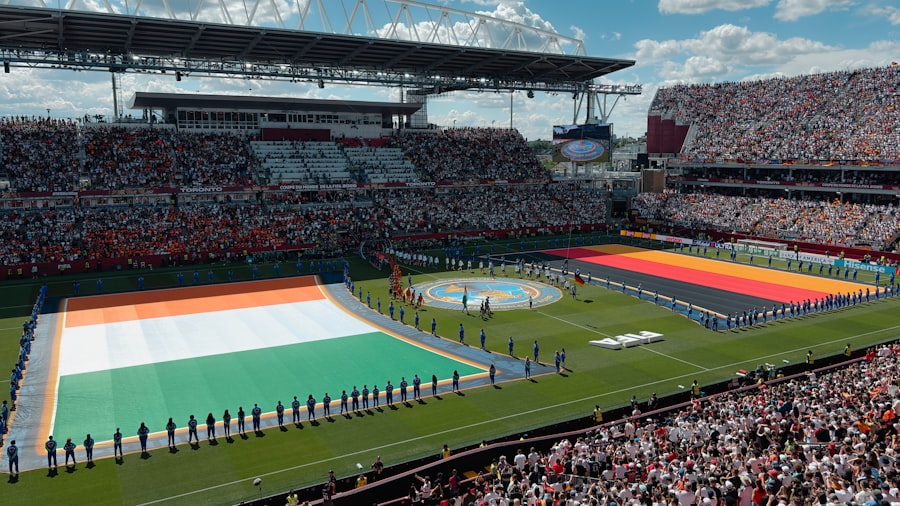
As the controversy unfolded, allegations of referee bias began to surface, further complicating an already tense situation. Critics pointed to specific decisions made during the match that seemed to favor the opposing team, leading many to speculate whether there was an underlying agenda at play. The referee’s performance was scrutinized in detail, with analysts dissecting every call and non-call in an effort to uncover potential favoritism or incompetence. This scrutiny raised questions about the selection process for referees in high-stakes matches and whether they are adequately prepared to handle the pressure.
The allegations of bias were not merely anecdotal; they were supported by statistical analyses that highlighted discrepancies in foul calls and penalty decisions. Fans and commentators alike began to wonder if this match was an isolated incident or part of a larger pattern within international football. The implications of such claims are significant, as they challenge the credibility of officiating bodies and raise concerns about the integrity of future competitions.
Calls for a World Cup Replay
In light of the widespread discontent, calls for a replay of the controversial match began to gain traction. Advocates for this course of action argued that a rematch would serve as a necessary step toward restoring faith in the integrity of the tournament. They contended that allowing the match result to stand would set a dangerous precedent, suggesting that poor officiating could go unpunished and that teams could be unfairly penalized due to human error. The idea of a replay sparked heated debates among fans, pundits, and football officials alike.
Supporters of a replay pointed to historical precedents where matches had been replayed due to officiating errors or other extenuating circumstances. They argued that football’s governing bodies have a responsibility to uphold fairness and transparency in competition. However, detractors raised concerns about the logistical challenges and potential ramifications of such a decision, questioning whether it would truly address the underlying issues or simply serve as a temporary fix.
Social Media Campaigns and Protests
| Country | Petition Signatures | Reason for Replay |
|---|---|---|
| Argentina | 100,000 | Controversial Referee Decision |
The power of social media has played a pivotal role in amplifying the voices of Argentina’s fans during this controversy. Hashtags such as #JusticeForArgentina began trending as supporters shared their grievances and rallied for change. These online campaigns not only served as platforms for expression but also fostered a sense of community among fans who felt similarly aggrieved. Memes, videos, and infographics flooded social media feeds, illustrating key moments from the match while calling attention to perceived injustices.
In addition to online activism, organized protests emerged in various cities across Argentina. Fans gathered outside stadiums and football associations, holding signs that demanded accountability from FIFA and its officials. These demonstrations highlighted the passionate commitment of supporters to their national team and their unwillingness to accept perceived injustices quietly. The combination of online campaigns and physical protests created a multifaceted movement that sought to ensure that their voices were heard loud and clear.
Support from International Football Community
As news of the controversy spread beyond Argentina’s borders, support began to pour in from various corners of the international football community. Players from other nations expressed solidarity with Argentina’s plight, acknowledging that poor officiating can affect any team at any time. Former players and football analysts took to media outlets to discuss the implications of the match and advocate for reforms in officiating standards. This outpouring of support underscored the universal nature of fair play in football and highlighted how one nation’s struggle resonated with fans worldwide.
Football clubs and organizations also joined the conversation, with some issuing statements condemning poor officiating practices while calling for greater transparency within FIFThis collective response illustrated that while rivalries exist on the pitch, there is a shared understanding among players, clubs, and fans about the importance of fairness in competition. The solidarity shown by the international community served as a reminder that football transcends borders and unites people through shared values.
Legal Action and Appeals
As frustration mounted over the handling of the situation, some Argentine officials began exploring legal avenues to address their grievances. Legal action was considered as a means to challenge FIFA’s authority over match outcomes and officiating decisions. This unprecedented move raised questions about the relationship between national federations and international governing bodies, as well as what recourse teams have when they believe they have been wronged.
Appeals were filed with FIFA, demanding a review of the match’s officiating decisions and calling for accountability from those responsible for overseeing such high-stakes encounters. The legal complexities surrounding these appeals highlighted the intricate web of regulations governing international football and underscored how deeply intertwined legal frameworks are with sporting outcomes. As these proceedings unfolded, they added another layer of tension to an already fraught situation.
Impact on Argentina’s Football Reputation
The fallout from this controversial match has had significant implications for Argentina’s football reputation on both domestic and international stages. While Argentina has long been regarded as a powerhouse in world football, this incident has raised questions about how external factors can influence performance and outcomes. Critics argue that such controversies can tarnish a nation’s legacy in football, leading to skepticism about its achievements.
Moreover, this incident may affect Argentina’s standing within FIFA and its relationships with other national federations. As discussions about fairness and integrity continue to dominate headlines, there is concern that Argentina may face scrutiny in future competitions or be viewed through a lens tainted by this controversy. The long-term impact on Argentina’s football reputation remains uncertain, but it is clear that this match will leave an indelible mark on how fans perceive their national team moving forward.
FIFA’s Response to the Controversy
In response to mounting pressure from fans, players, and international organizations, FIFA issued a statement addressing the controversy surrounding the match. While acknowledging concerns raised by Argentina’s supporters, FIFA maintained that its refereeing standards are designed to ensure fairness across all competitions. The organization emphasized its commitment to upholding integrity within football but did not indicate any intention to replay the match or alter its outcome.
FIFA’s response was met with mixed reactions; some praised its commitment to transparency while others criticized it for failing to take meaningful action in light of widespread allegations of bias. The organization’s handling of this situation will likely shape its reputation moving forward, as stakeholders continue to scrutinize its decisions regarding officiating standards and accountability measures.
Potential Consequences of a Replay
Should FIFA decide to grant a replay of the controversial match, there would be far-reaching consequences for all parties involved. A rematch could serve as an opportunity for Argentina to redeem itself on an international stage while also addressing lingering questions about officiating integrity. However, it could also set a precedent that complicates future competitions; if matches can be replayed based on fan outcry or perceived injustices, it may open floodgates for similar demands from other nations.
Additionally, logistical challenges would arise from organizing a rematch at such a high level; scheduling conflicts with other tournaments could complicate matters further. The potential consequences extend beyond just one match; they could reshape how FIFA approaches officiating standards and fan engagement moving forward.
The Future of Fair Play in Football
The controversy surrounding this World Cup match has reignited discussions about fair play in football—a principle that lies at the heart of the sport’s ethos. As fans demand accountability from governing bodies like FIFA, there is hope that this incident will lead to meaningful reforms aimed at enhancing officiating standards and ensuring transparency in decision-making processes.
The future of fair play hinges on collective efforts from players, fans, clubs, and governing bodies alike. By prioritizing integrity within competition and addressing concerns raised by stakeholders, football can move toward a more equitable landscape where all teams are afforded equal opportunities to succeed based on merit rather than external influences. Ultimately, this controversy serves as both a cautionary tale and an opportunity for growth within one of the world’s most beloved sports.
FAQs
What is the petition about?
The petition is demanding a replay of the 2022 FIFA World Cup match between Argentina and Brazil, citing controversial refereeing decisions and alleged unfairness in the outcome of the game.
Who started the petition?
The petition was started by passionate Argentina fans who were dissatisfied with the result of the match and believe that a replay is necessary to ensure fairness and justice.
How many signatures does the petition have?
As of the latest update, the petition has garnered a significant number of signatures from supporters who are in favor of a World Cup replay between Argentina and Brazil.
What is the response from FIFA regarding the petition?
FIFA has not officially responded to the petition at this time. The organization typically has strict rules and regulations regarding match outcomes and replays, and it is unclear if they will consider the demands of the petition.
Is it common for fans to petition for a World Cup replay?
While it is not unheard of for fans to express their dissatisfaction with match outcomes, it is relatively uncommon for a petition demanding a World Cup replay to gain significant attention and traction.